High Alert

Scientists study 3,000 supernovas and discover that dark energy may be evolving

Written and edited by the WorldPing NewsdeskPublished Updated Original reporting: Space.com
Scientists study 3,000 supernovas and discover that dark energy may be evolvingWorldPing
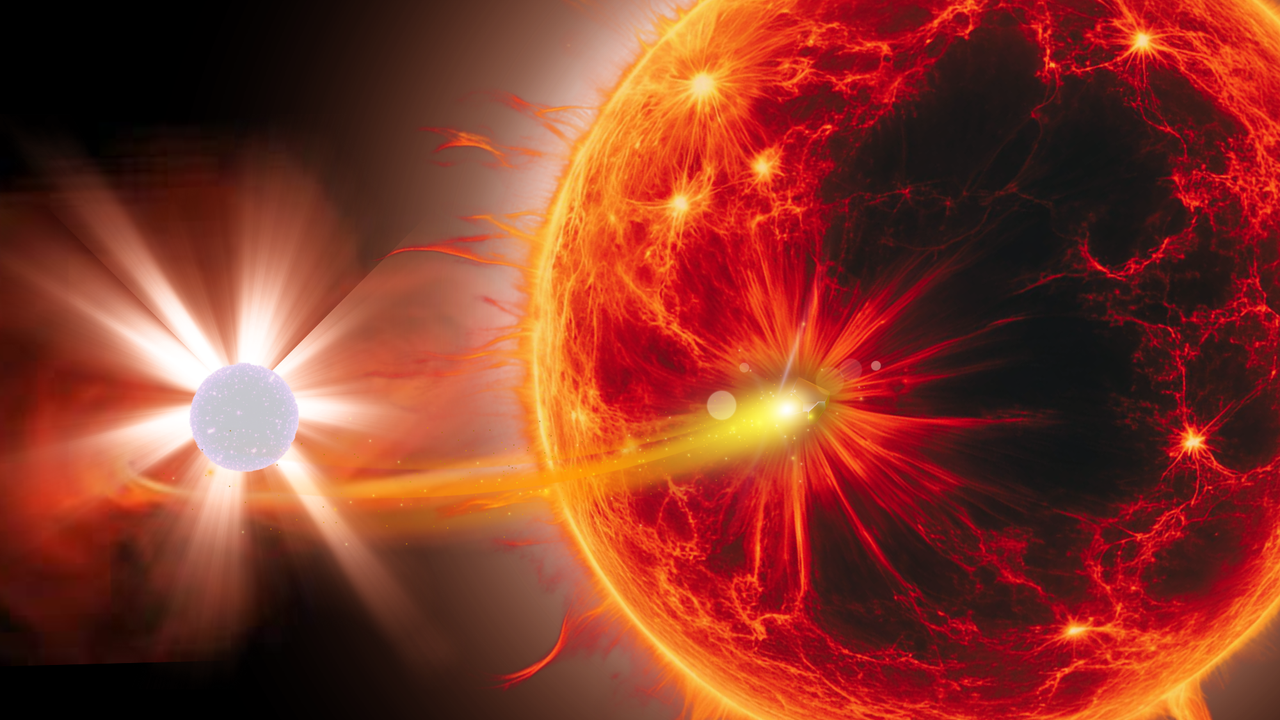
Image via Space.com.

What happened

A catalog of almost 3,000 white dwarfs that exploded as type Ia supernovas after overfeeding on companion stars indicates that dark energy is changing over time.

Key facts

  • A catalog of almost 3,000 white dwarfs that exploded as type Ia supernovas after overfeeding on companion stars indicates that dark energy is changing over time.
  • Reported by Space.com and published Thu, 10 Sep 2026 16:00:00 UTC.

Why it matters

Research findings and mission results set the evidence base that policy, funding and later discoveries build on.

What to watch next

  • Peer review status and replication of the findings
  • Mission milestones and next scheduled attempt
  • Funding or policy decisions that follow

Coverage timeline

When each newsroom published on this story, oldest first — all times UTC.

  1. Powerful new AI model will map the moon's surface in more detail than ever, NASA and IBM scientists say

  2. Mercury may have shrunk much more than we thought, new study hints

  3. Scientists want to 3D print houses on Mars with the help of yeast

  4. Peer-led computing camps engage children, study finds

  5. Scientists study 3,000 supernovas and discover that dark energy may be evolving

Sources

The original report was published by Space.com. WorldPing does not claim that reporting — this page summarises and contextualises it.

Read the full report at Space.com

Related WorldPing coverage

Peer-led computing camps engage children, study findsWorldPing
Phys.org

Peer-led computing camps engage children, study finds

High school student Khushi Kharuna creates and leads coding and artificial intelligence (AI) summer camps for K–12 students in her community outside Philadelphia.

Brief by WorldPing · Original reporting by Phys.org

Scientists want to 3D print houses on Mars with the help of yeastWorldPing
Phys.org

Scientists want to 3D print houses on Mars with the help of yeast

Mars is a terrible place to build a house. It's bitterly cold, blasted by radiation and a near vacuum. Not to mention that the building materials, even for a modest shelter, could spend months hurtling through space before construction begins.

Brief by WorldPing · Original reporting by Phys.org