 WorldPing
 WorldPing
Phys.org
Mercury is shrinking more than we thought
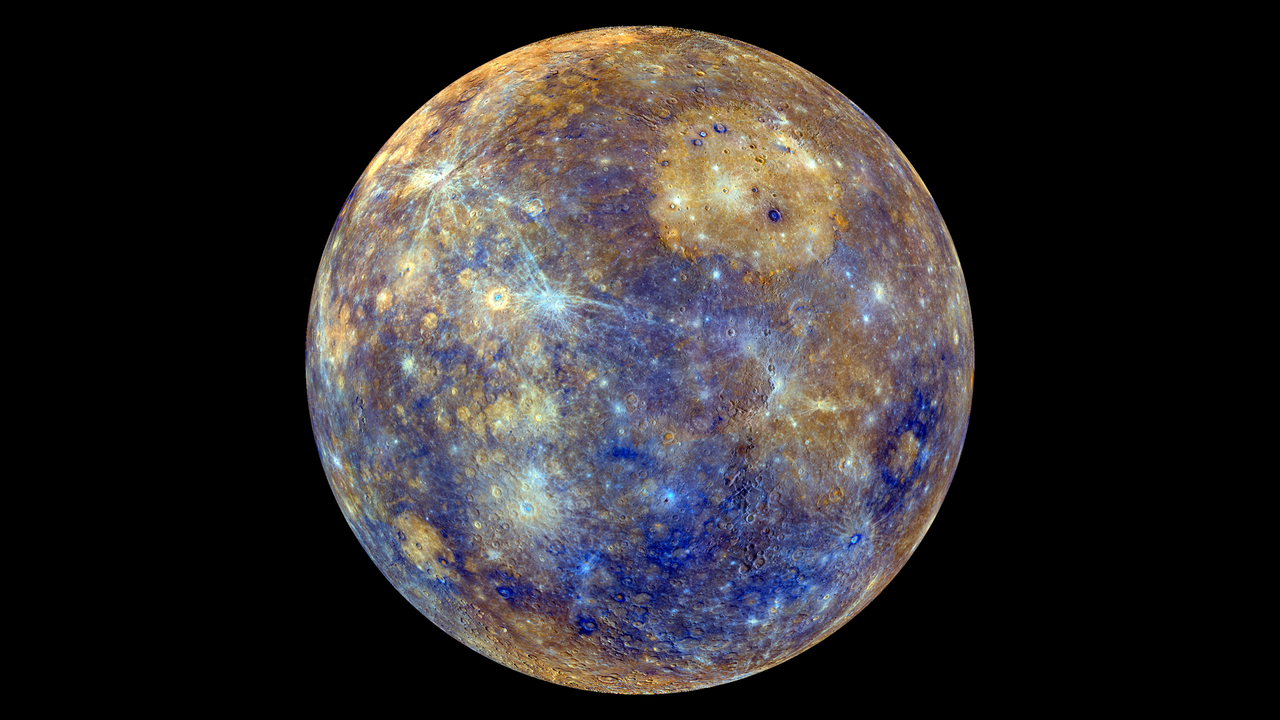
Mercury's surface is riddled with wrinkles, evidence of a once-larger planet that has shrunk over time.
Brief by WorldPing · Original reporting by Phys.org
 WorldPing
Mercury may be shrinking much faster than we thought — and that could reveal new clues about its violent origins.
Research findings and mission results set the evidence base that policy, funding and later discoveries build on.
When each newsroom published on this story, oldest first — all times UTC.
Mercury may have shrunk much more than we thought, new study hints
BepiColombo measures Mercury's particle bombardment up close
The original report was published by Live Science. WorldPing does not claim that reporting — this page summarises and contextualises it.
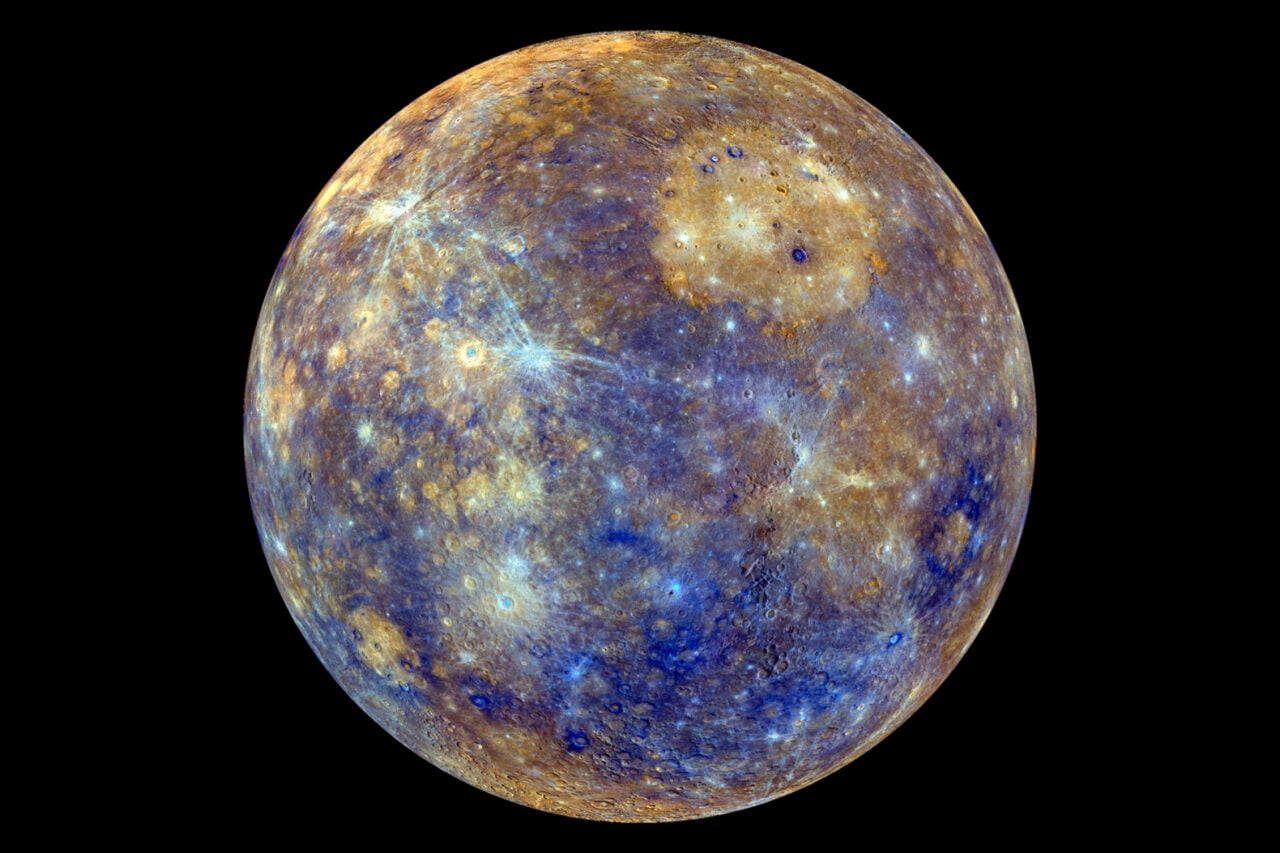
Read the full report at Live ScienceWorldPingMercury's surface is riddled with wrinkles, evidence of a once-larger planet that has shrunk over time.
Brief by WorldPing · Original reporting by Phys.org
 WorldPing
A new estimate of Mercury's shrinkage shows that this planet may have contracted 10% to 30% more than previous research suggested.
Brief by WorldPing · Original reporting by Gizmodo
 WorldPing
The joint BepiColombo mission of the European Space Agency (ESA) and the Japan Aerospace Exploration Agency (JAXA) is settling into orbit around Mercury after an eight-year journey.
Brief by WorldPing · Original reporting by Phys.org
 WorldPing
In November 2025, NASA and its European partners launched the Sentinel-6B satellite to improve hurricane forecasts, help protect infrastructure and benefit commercial industries, including shipping.
Brief by WorldPing · Original reporting by Phys.org
Sold-out shows, psyop rumors, and secret sessions: New York’s most talked-about band has a lot on its mind…
Brief by WorldPing · Original reporting by Rolling Stone