Powerful new AI model will map the moon's surface in more detail than ever, NASA and IBM scientists say

Written and edited by the WorldPing NewsdeskPublished Updated Original reporting: Live Science
Powerful new AI model will map the moon's surface in more detail than ever, NASA and IBM scientists sayWorldPing
Image via Live Science.

What happened

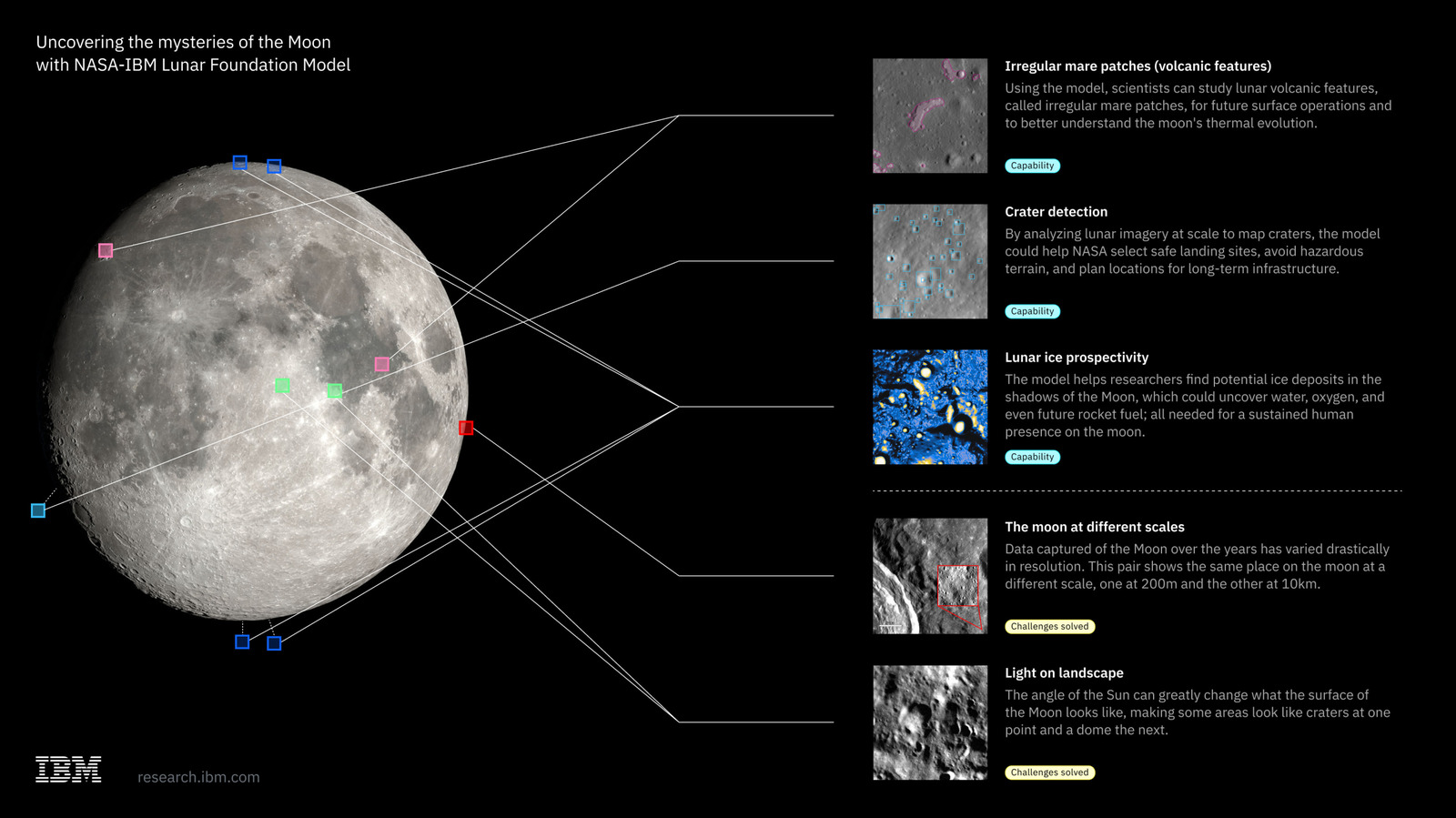
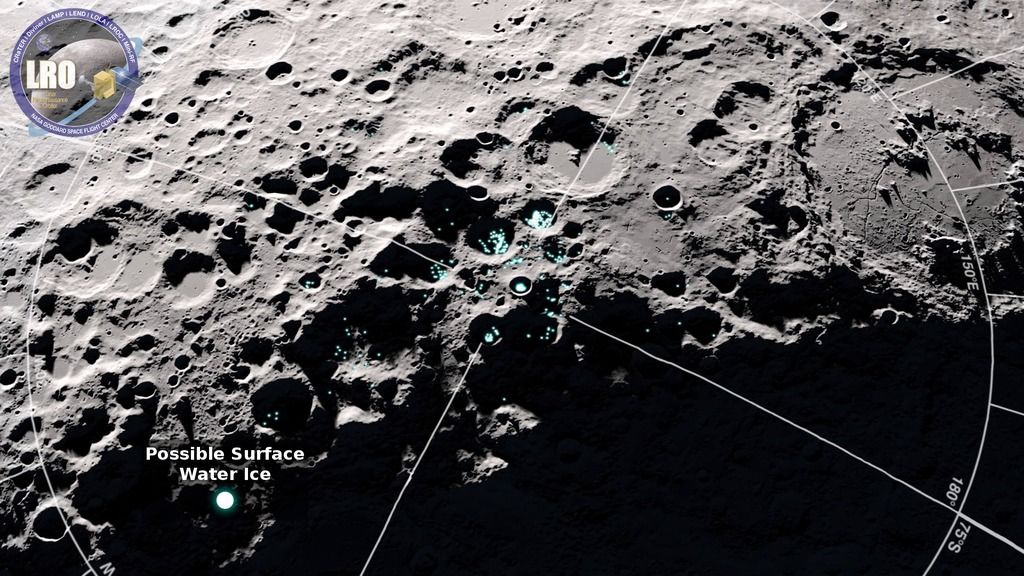
IBM and NASA have partnered to create the Lunar Foundation Model, a new AI capable of processing decades of lunar data so we can more accurately map the moon's surface.

Key facts

  • Reported by Live Science and published Thu, 10 Sep 2026 12:00:00 UTC.

Why it matters

Research findings and mission results set the evidence base that policy, funding and later discoveries build on.

What to watch next

  • Peer review status and replication of the findings
  • Mission milestones and next scheduled attempt
  • Funding or policy decisions that follow

Coverage timeline

When each newsroom published on this story, oldest first — all times UTC.

  1. Global heat stuck on high. Scientists say August was Earth's hottest month they've measured.

  2. As oceans warm, Florida scientists hunt for heat-resistant coral

  3. Powerful new AI model will map the moon's surface in more detail than ever, NASA and IBM scientists say

  4. A fake spider at the tip of this snake's tail helps it lure birds: Scientists get their first look inside it

Sources

The original report was published by Live Science. WorldPing does not claim that reporting — this page summarises and contextualises it.

Read the full report at Live Science

Follow the story

Living hubs that keep updating as this story develops.

Related WorldPing coverage

As oceans warm, Florida scientists hunt for heat-resistant coralWorldPing
Phys.org

As oceans warm, Florida scientists hunt for heat-resistant coral

Off Florida's coast, a team of scientists and trained volunteers in scuba gear descends to the ocean floor, planting young coral onto a reef and examining how others are faring in increasingly warm waters.

Brief by WorldPing · Original reporting by Phys.org