Mercury may have shrunk much more than we thought, new study hints

Written and edited by the WorldPing NewsdeskPublished Updated Original reporting: Live Science
Mercury may have shrunk much more than we thought, new study hintsWorldPing
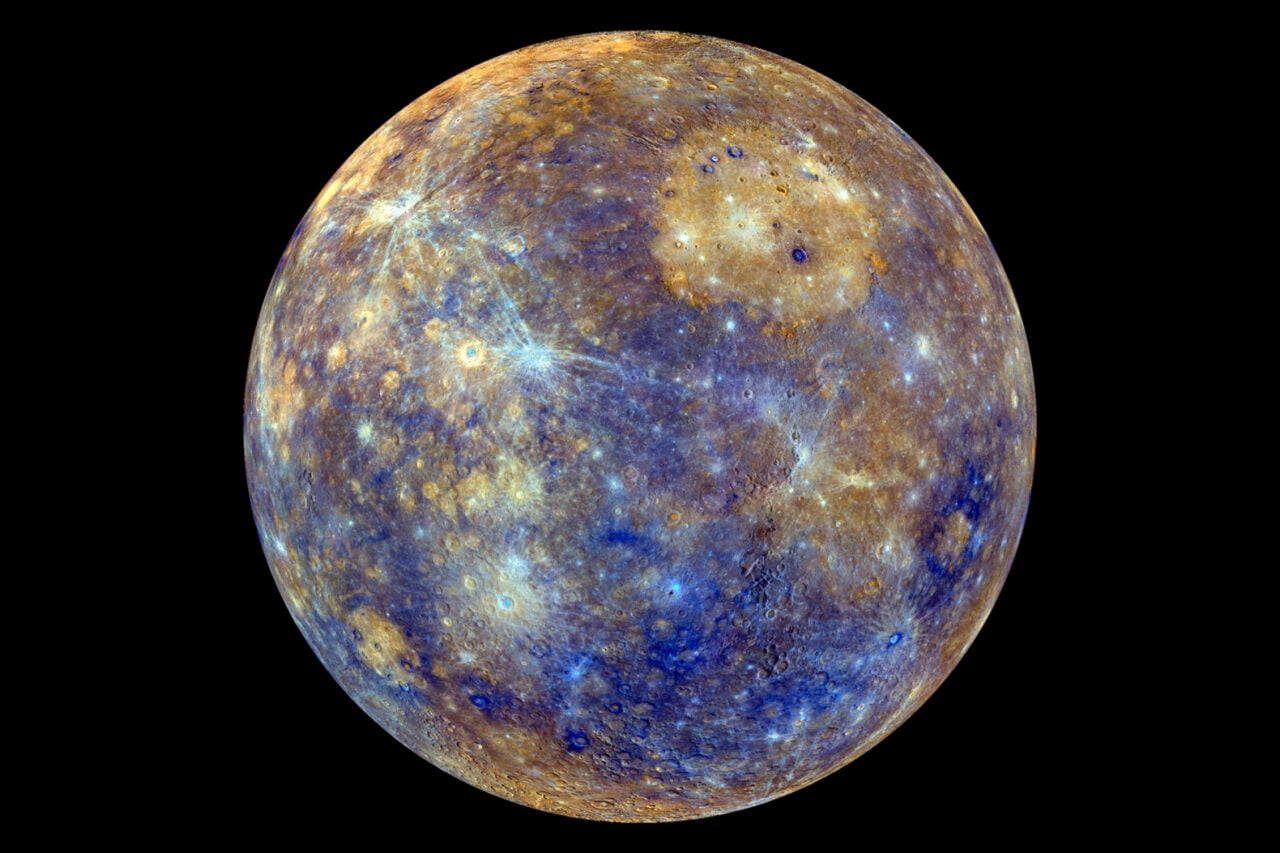
Image via Live Science.

What happened

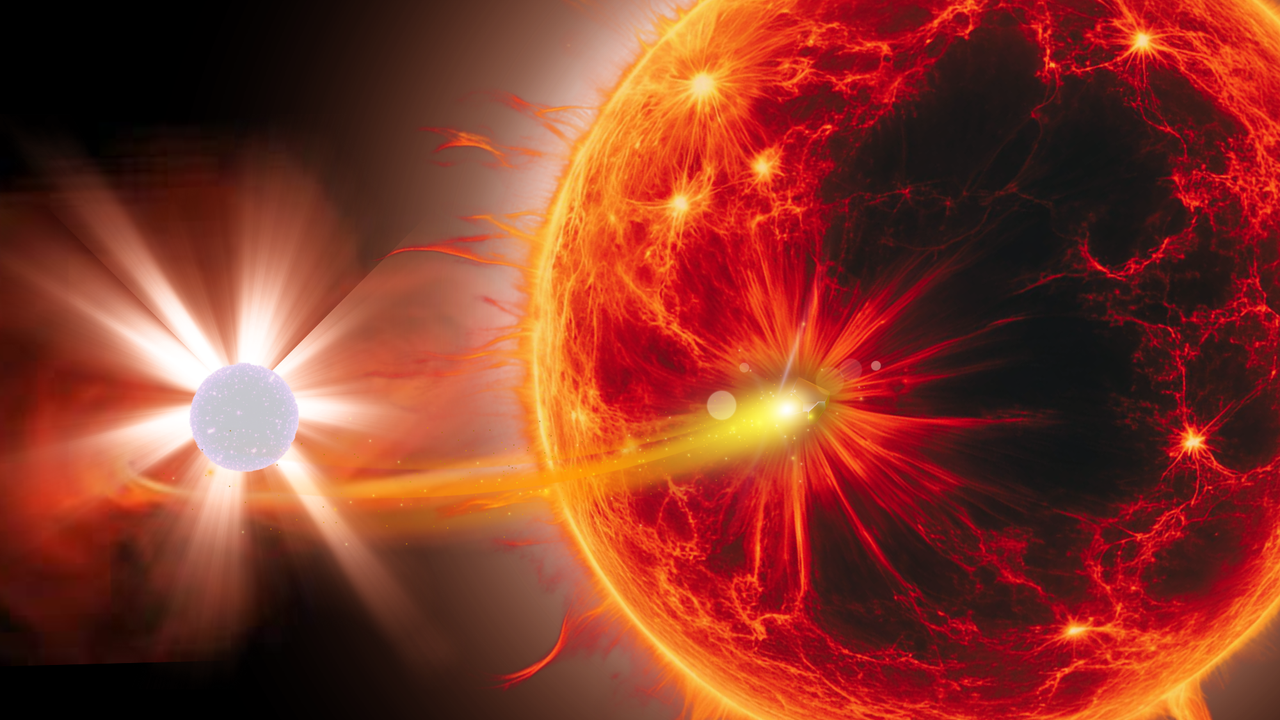
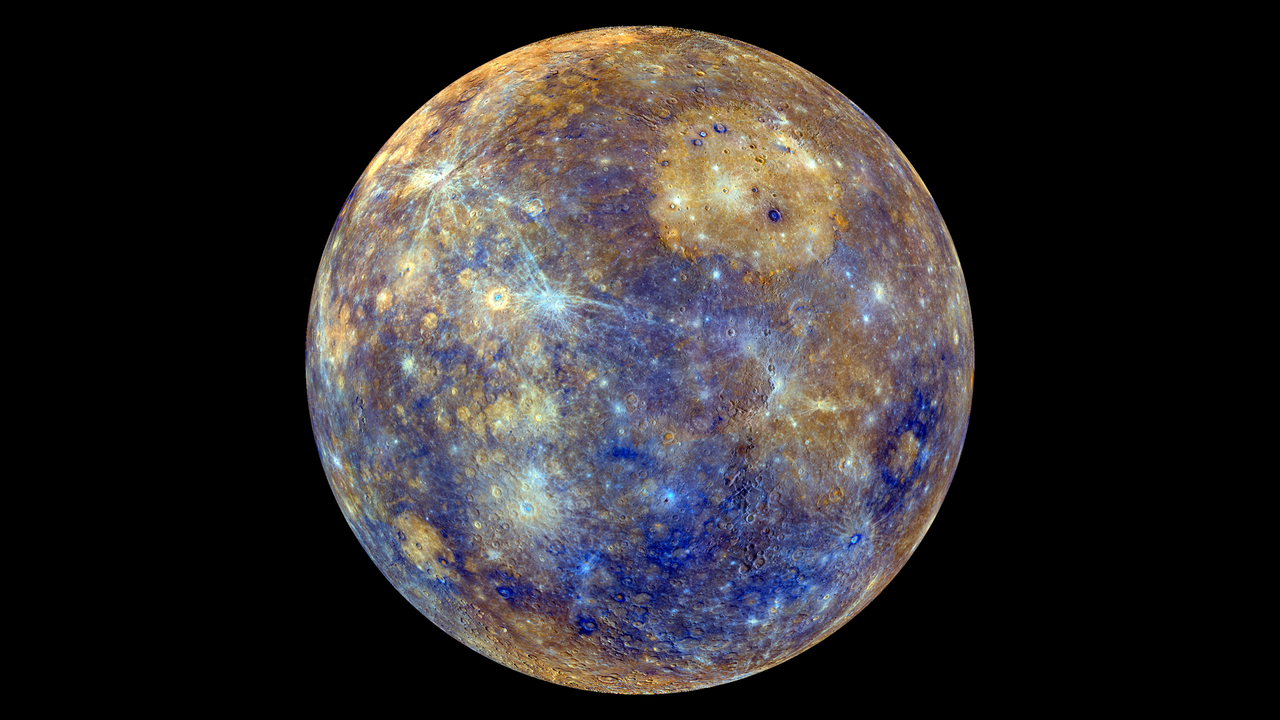
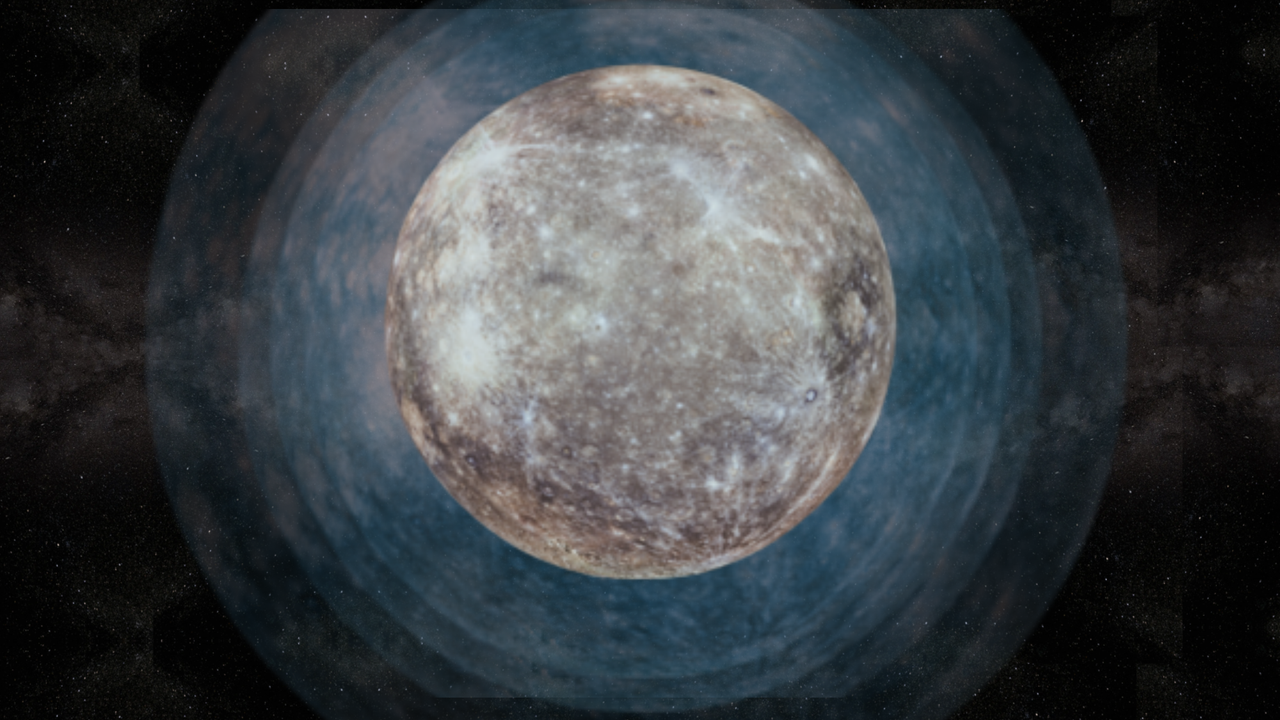
Mercury may be shrinking much faster than we thought — and that could reveal new clues about its violent origins.

Key facts

  • Reported by Live Science and published Thu, 10 Sep 2026 13:00:00 UTC.

Why it matters

Research findings and mission results set the evidence base that policy, funding and later discoveries build on.

What to watch next

  • Peer review status and replication of the findings
  • Mission milestones and next scheduled attempt
  • Funding or policy decisions that follow

Coverage timeline

When each newsroom published on this story, oldest first — all times UTC.

  1. Mercury may have shrunk much more than we thought, new study hints

  2. BepiColombo measures Mercury's particle bombardment up close

  3. Mercury is shrinking faster than we thought. What's going on inside of it?

  4. Peer-led computing camps engage children, study finds

  5. Scientists study 3,000 supernovas and discover that dark energy may be evolving

Sources

The original report was published by Live Science. WorldPing does not claim that reporting — this page summarises and contextualises it.

Read the full report at Live Science

Related WorldPing coverage

Peer-led computing camps engage children, study findsWorldPing
Phys.org

Peer-led computing camps engage children, study finds

High school student Khushi Kharuna creates and leads coding and artificial intelligence (AI) summer camps for K–12 students in her community outside Philadelphia.

Brief by WorldPing · Original reporting by Phys.org

BepiColombo measures Mercury's particle bombardment up closeWorldPing
Phys.org

BepiColombo measures Mercury's particle bombardment up close

The joint BepiColombo mission of the European Space Agency (ESA) and the Japan Aerospace Exploration Agency (JAXA) is settling into orbit around Mercury after an eight-year journey.

Brief by WorldPing · Original reporting by Phys.org