High Alert

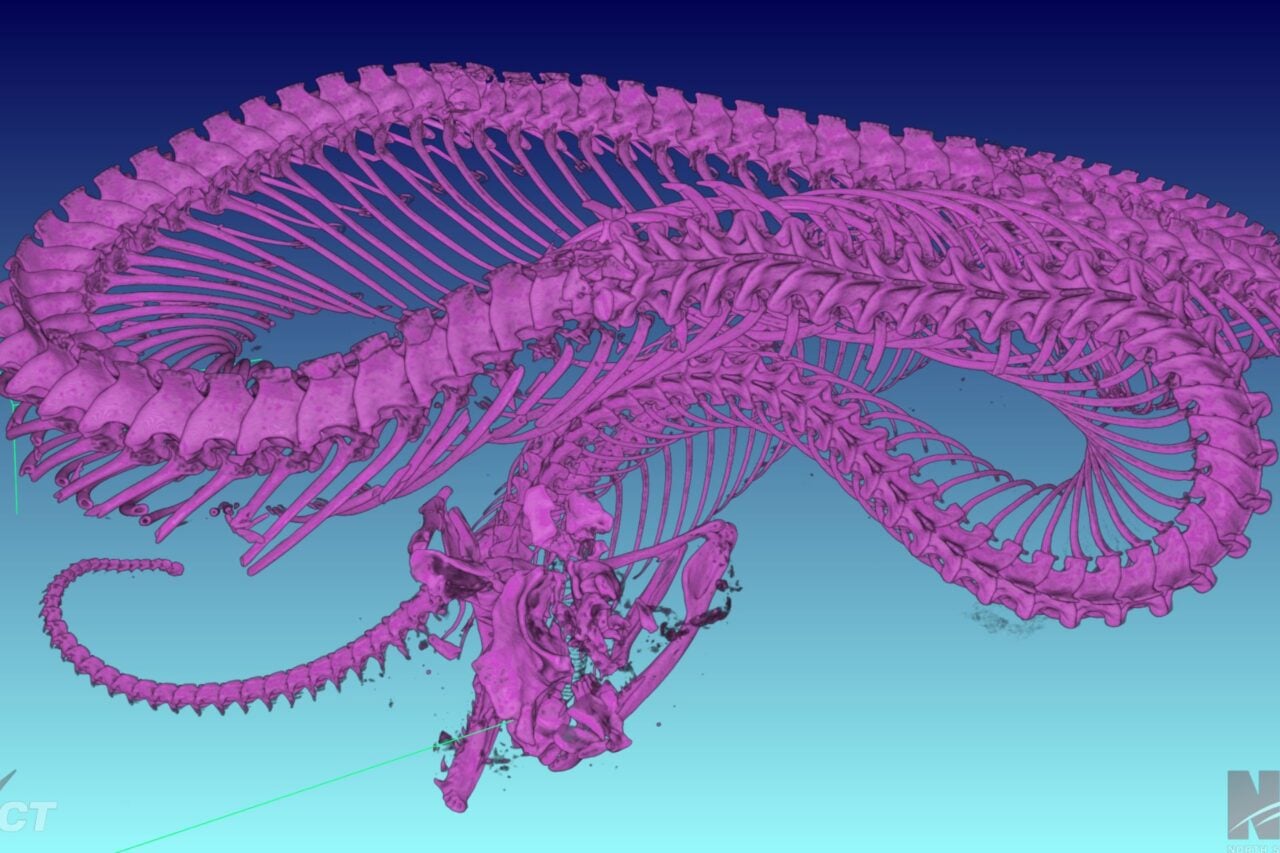
A fake spider at the tip of this snake's tail helps it lure birds: Scientists get their first look inside it

Written and edited by the WorldPing NewsdeskPublished Updated Original reporting: Phys.org
A fake spider at the tip of this snake's tail helps it lure birds: Scientists get their first look inside itWorldPing
Image via Phys.org.

What happened

Lots of animals use mimicry to survive.

Some copy the appearance of threatening predators, and others have evolved to resemble plants or rocks so they can blend into the background and avoid being attacked.

Key facts

  • Reported by Phys.org and published Thu, 10 Sep 2026 14:00:01 UTC.

Why it matters

Research findings and mission results set the evidence base that policy, funding and later discoveries build on.

What to watch next

  • Peer review status and replication of the findings
  • Mission milestones and next scheduled attempt
  • Funding or policy decisions that follow

Coverage timeline

When each newsroom published on this story, oldest first — all times UTC.

  1. 'Fingerprints' inside the sun could reveal if it once swallowed a planet

  2. A fake spider at the tip of this snake's tail helps it lure birds: Scientists get their first look inside it

  3. Mercury is shrinking faster than we thought. What's going on inside of it?

  4. Scientists want to 3D print houses on Mars with the help of yeast

  5. A fossil feather preserved inside dinosaur poop could help explain why birds survived the mass extinction

  6. Scientists study 3,000 supernovas and discover that dark energy may be evolving

Sources

The original report was published by Phys.org. WorldPing does not claim that reporting — this page summarises and contextualises it.

Read the full report at Phys.org

Related WorldPing coverage

Scientists want to 3D print houses on Mars with the help of yeastWorldPing
Phys.org

Scientists want to 3D print houses on Mars with the help of yeast

Mars is a terrible place to build a house. It's bitterly cold, blasted by radiation and a near vacuum. Not to mention that the building materials, even for a modest shelter, could spend months hurtling through space before construction begins.

Brief by WorldPing · Original reporting by Phys.org

'Fingerprints' inside the sun could reveal if it once swallowed a planetWorldPing
Phys.org

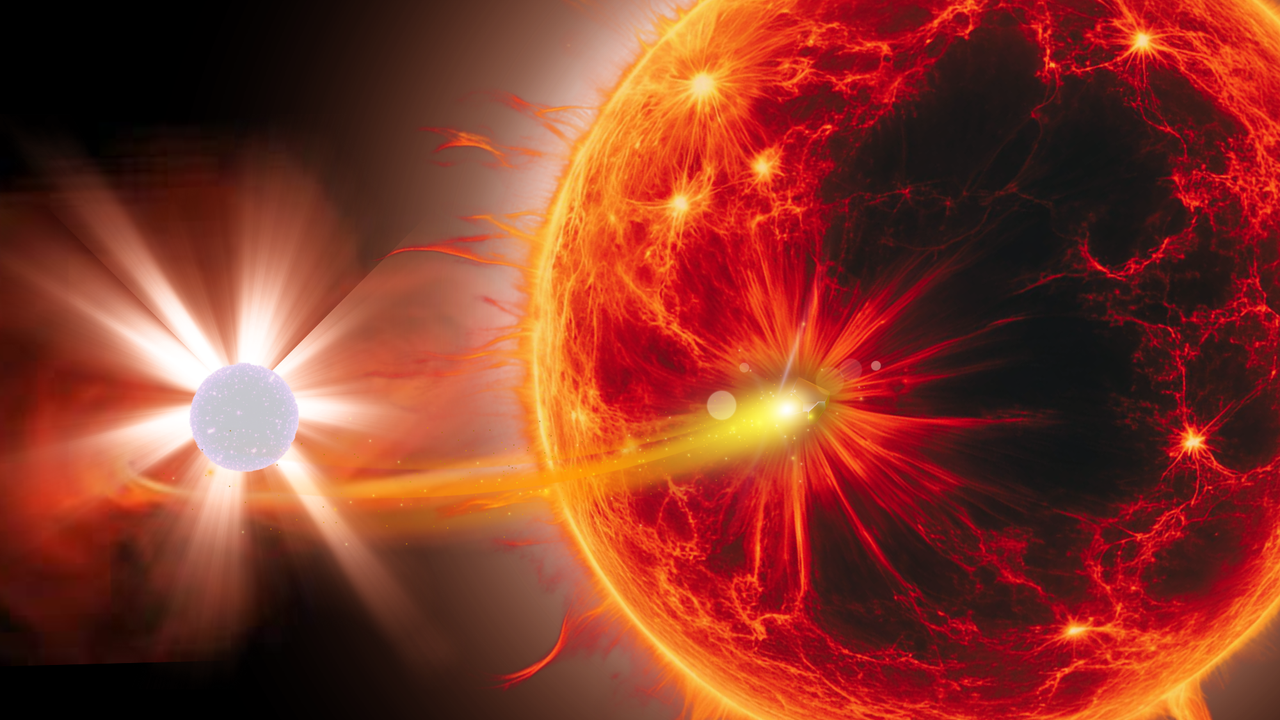
'Fingerprints' inside the sun could reveal if it once swallowed a planet

It is thought the sun may have engulfed a super-Earth-sized planet early in its history. Now, a new study has gone a step further, suggesting that such an event may have left behind detectable clues inside the sun that could still be visible today.

Brief by WorldPing · Original reporting by Phys.org