 WorldPing
 WorldPing
Engadget
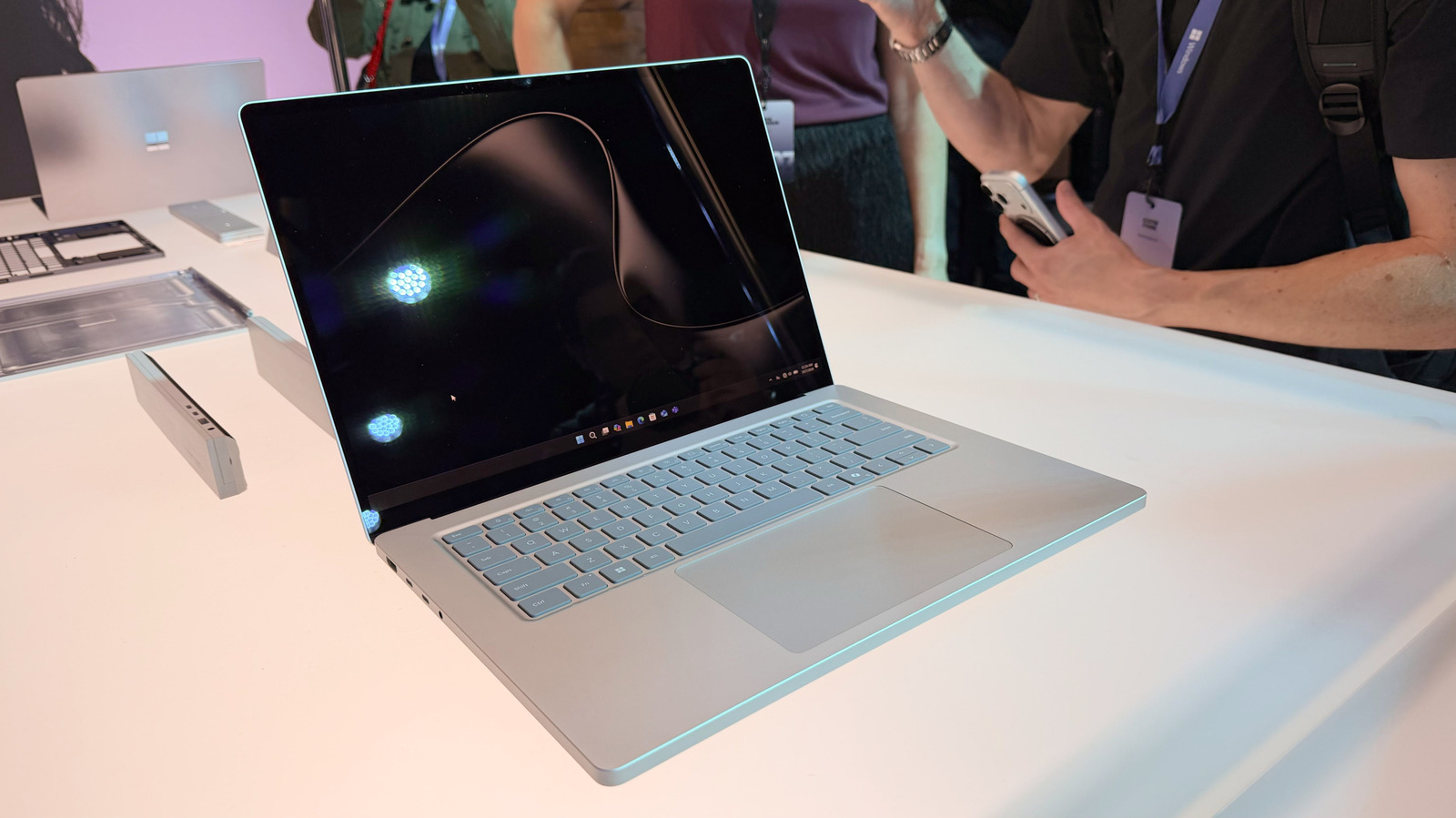
Surface Laptop Ultra hands-on: A beautiful beast powered by NVIDIA's RTX Spark
Yes, it's just a premium laptop. But it sure looks pretty.
Brief by WorldPing · Original reporting by Engadget
The first array of laptops powered by Nvidia's new RTX Spark chip are designed to compete with high-end MacBook Pros - and they've got some high-end prices to match.
Platform, chip and AI decisions set the terms other companies have to build on, so a single announcement here tends to ripple through products, supply chains and regulation.
When each newsroom published on this story, oldest first — all times UTC.
Ring’s first smart lock can be hand-cranked when its battery dies
Tony Fadell on why the first wave of AI gadgets failed — and what comes next
Surface Laptop Ultra hands-on: A beautiful beast powered by NVIDIA's RTX Spark
The first Nvidia RTX Spark laptops cost up to $7,000
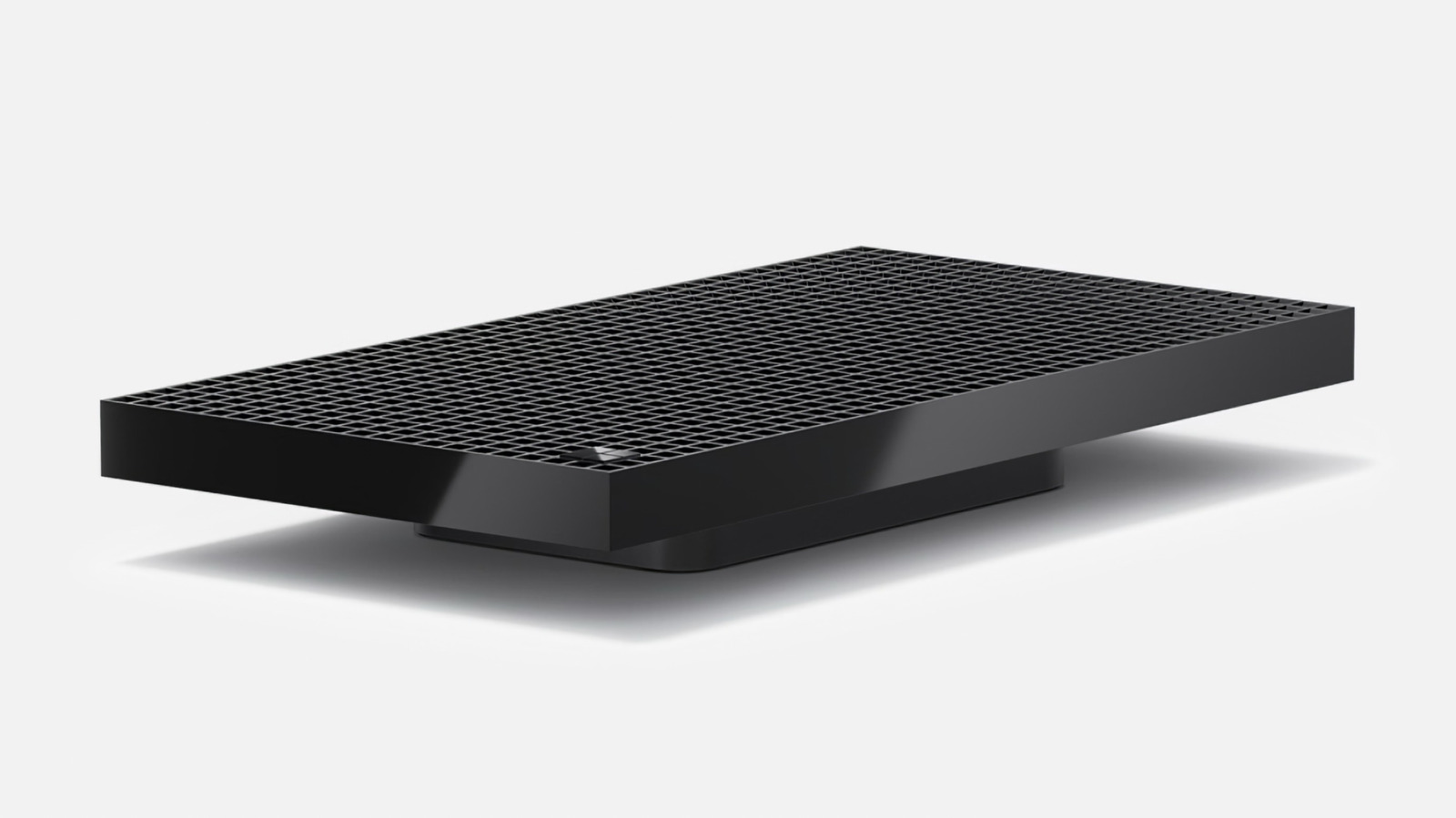
Microsoft's Surface RTX Spark Dev Box costs an eye-watering $6,000
Microsoft releases new Nvidia-chip AI PCs with revamped Windows 11
The original report was published by The Verge. WorldPing does not claim that reporting — this page summarises and contextualises it.
Read the full report at The VergeLiving hubs that keep updating as this story develops.
WorldPingYes, it's just a premium laptop. But it sure looks pretty.
Brief by WorldPing · Original reporting by Engadget
Microsoft revealed the specs and price for its Surface Laptop Ultra, AI PCs that run on Nvidia chips that are designed to run AI models and agents.
Brief by WorldPing · Original reporting by TechCrunch
 WorldPing
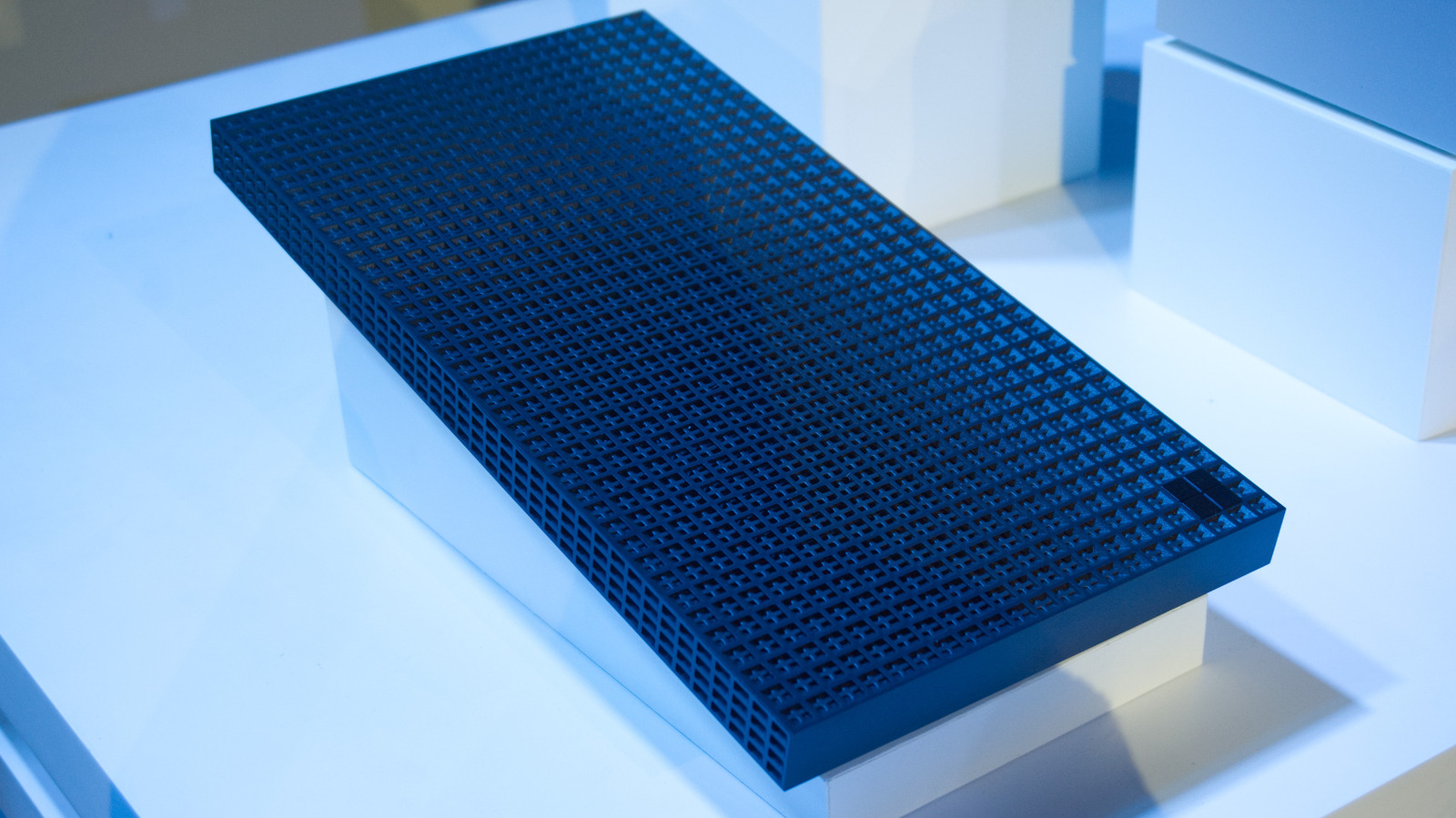
Honestly, a bit like an oversized Lego brick.
Brief by WorldPing · Original reporting by Engadget
 WorldPing
It ships in November, if you can afford it.
Brief by WorldPing · Original reporting by Engadget
The “father of the iPod” says the first generation of AI gadgets failed to solve real problems — and the next wave will need to earn consumers’ trust.
Brief by WorldPing · Original reporting by TechCrunch
Amazon-owned Ring is entering the smart lock market with a device designed to tackle a common concern: getting locked out when the battery dies.
Brief by WorldPing · Original reporting by TechCrunch