 WorldPing
 WorldPing
Gizmodo
Apple and LG Are Collabing on Smart Home Gadgets
The new devices will include a smart thermostat, a video doorbell, and multiple security camera devices.
Brief by WorldPing · Original reporting by Gizmodo
The “father of the iPod” says the first generation of AI gadgets failed to solve real problems — and the next wave will need to earn consumers’ trust.
Platform, chip and AI decisions set the terms other companies have to build on, so a single announcement here tends to ripple through products, supply chains and regulation.
When each newsroom published on this story, oldest first — all times UTC.
‘Doctor Who’ Returns in First Look at Animated Series for Pre-Schoolers
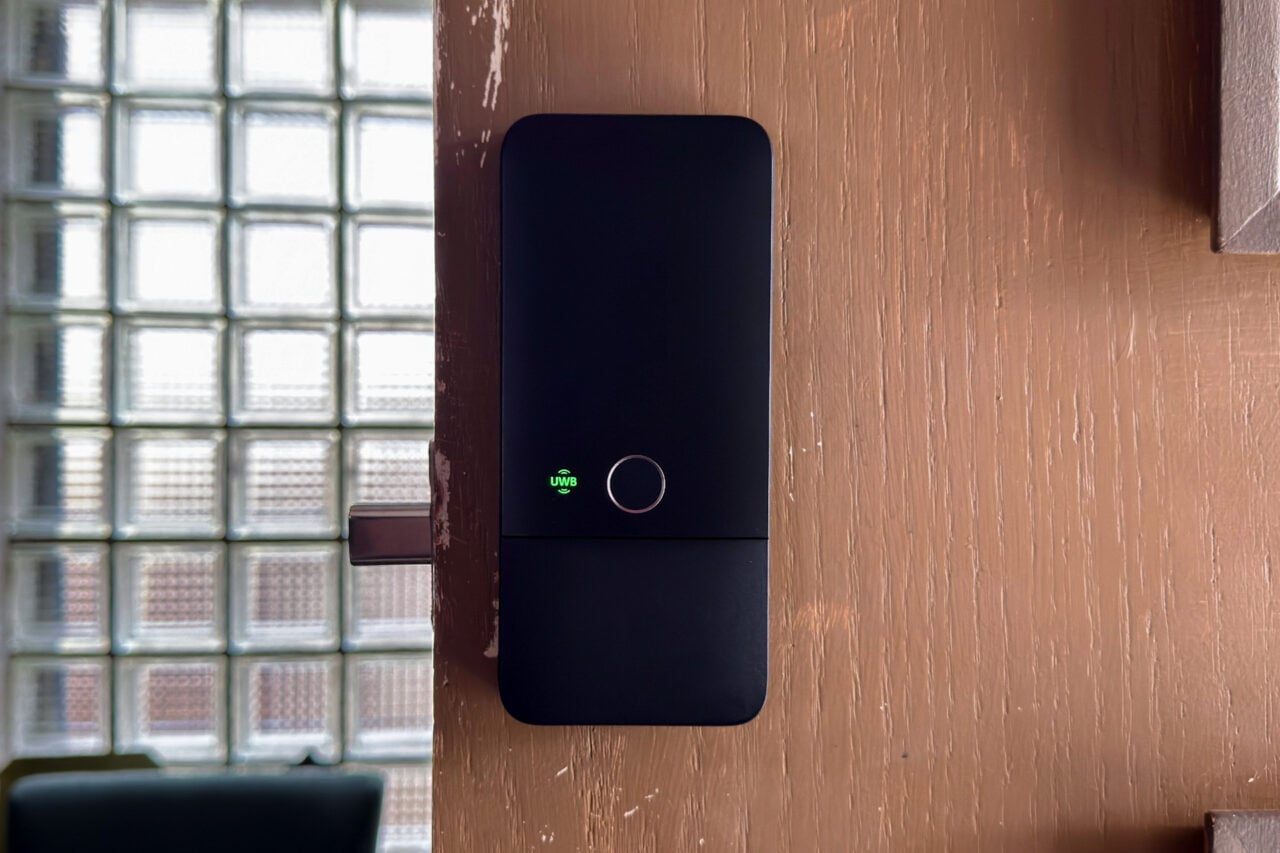
Ring’s first smart lock can be hand-cranked when its battery dies
New leaks provide our first look at Apple and LG’s smart home devices
Tony Fadell on why the first wave of AI gadgets failed — and what comes next
The original report was published by TechCrunch. WorldPing does not claim that reporting — this page summarises and contextualises it.
Read the full report at TechCrunchLiving hubs that keep updating as this story develops.
WorldPingThe new devices will include a smart thermostat, a video doorbell, and multiple security camera devices.
Brief by WorldPing · Original reporting by Gizmodo
Following a report from Bloomberg yesterday that Apple is collaborating with LG for a new collection of smart home devices and accessories, a reliable leaker known as "pdfu" on X has revealed more details about several of the new products, including…
Brief by WorldPing · Original reporting by The Verge
Amazon-owned Ring is entering the smart lock market with a device designed to tackle a common concern: getting locked out when the battery dies.
Brief by WorldPing · Original reporting by TechCrunch
 WorldPing
Plus, is it hubris to believe 'Something Is Killing the Children' could become a beloved multimedia franchise?
Brief by WorldPing · Original reporting by Gizmodo
 WorldPing
El Niño has led to an eerily quiet season so far but the first Atlantic hurricane of the year is now set to impact the southern USA.
Brief by WorldPing · Original reporting by BBC Science
 WorldPing
For decades, researchers around the world have been working toward this goal—and now major advances are following in rapid succession. Vienna is now home to the world's first nuclear clock that stabilizes itself, as atomic clocks typically do.
Brief by WorldPing · Original reporting by Phys.org