High Alert

How can countries prevent shocks and disasters from turning into food crises? Analysis points to resilience measures

Written and edited by the WorldPing NewsdeskPublished Updated Original reporting: Phys.org
How can countries prevent shocks and disasters from turning into food crises? Analysis points to resilience measuresWorldPing
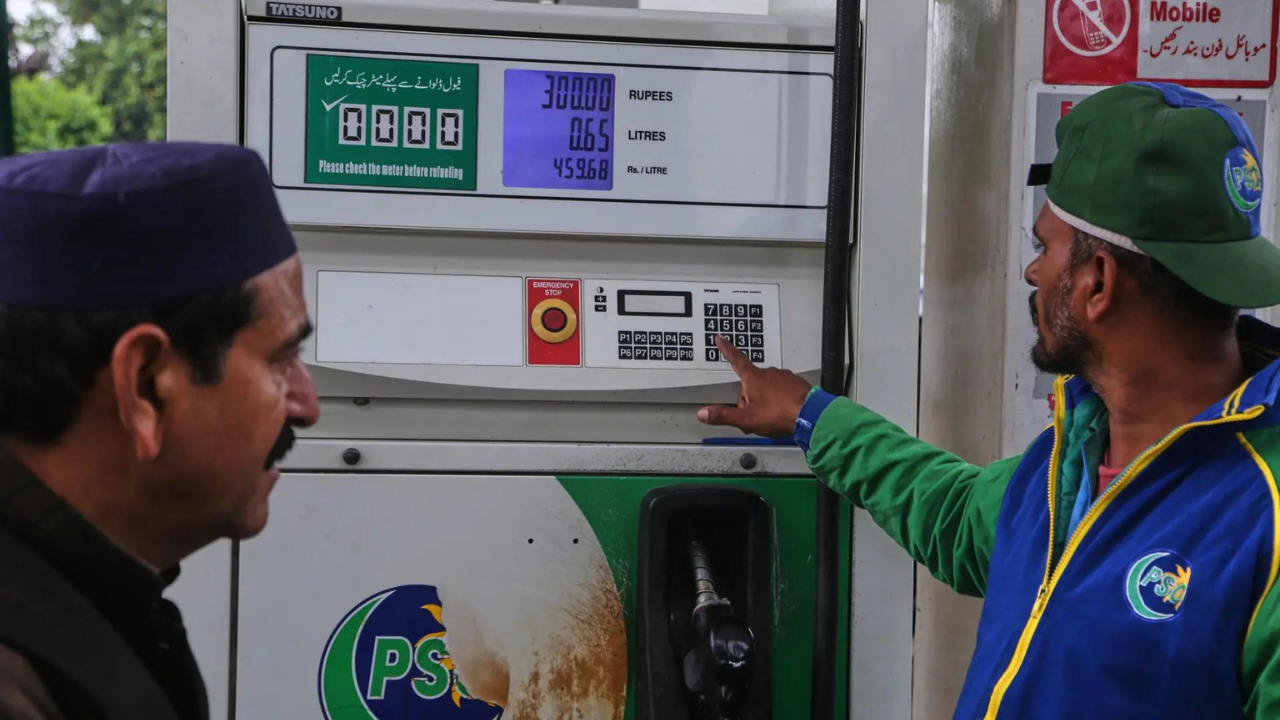
Image via Phys.org.

What happened

Floods, wildfires, conflicts, earthquakes, economic shocks, hurricanes or epidemics: These unexpected and often dramatic events affect people's lives and jobs, destroy crops, wipe out livestock and stored food, contaminate water, block roads, cut off…

Key facts

  • Reported by Phys.org and published Mon, 14 Sep 2026 19:00:11 UTC.

Why it matters

Research findings and mission results set the evidence base that policy, funding and later discoveries build on.

What to watch next

  • Peer review status and replication of the findings
  • Mission milestones and next scheduled attempt
  • Funding or policy decisions that follow

Coverage timeline

When each newsroom published on this story, oldest first — all times UTC.

  1. Scientists call for ‘emergency’ measures to save sea life from El Niño

  2. How can countries prevent shocks and disasters from turning into food crises? Analysis points to resilience measures

  3. A painting signed 'L daVinci': Analysis reveals Renaissance pigments and later alterations

Sources

The original report was published by Phys.org. WorldPing does not claim that reporting — this page summarises and contextualises it.

Read the full report at Phys.org

Related WorldPing coverage