 WorldPing
 WorldPing
Gizmodo
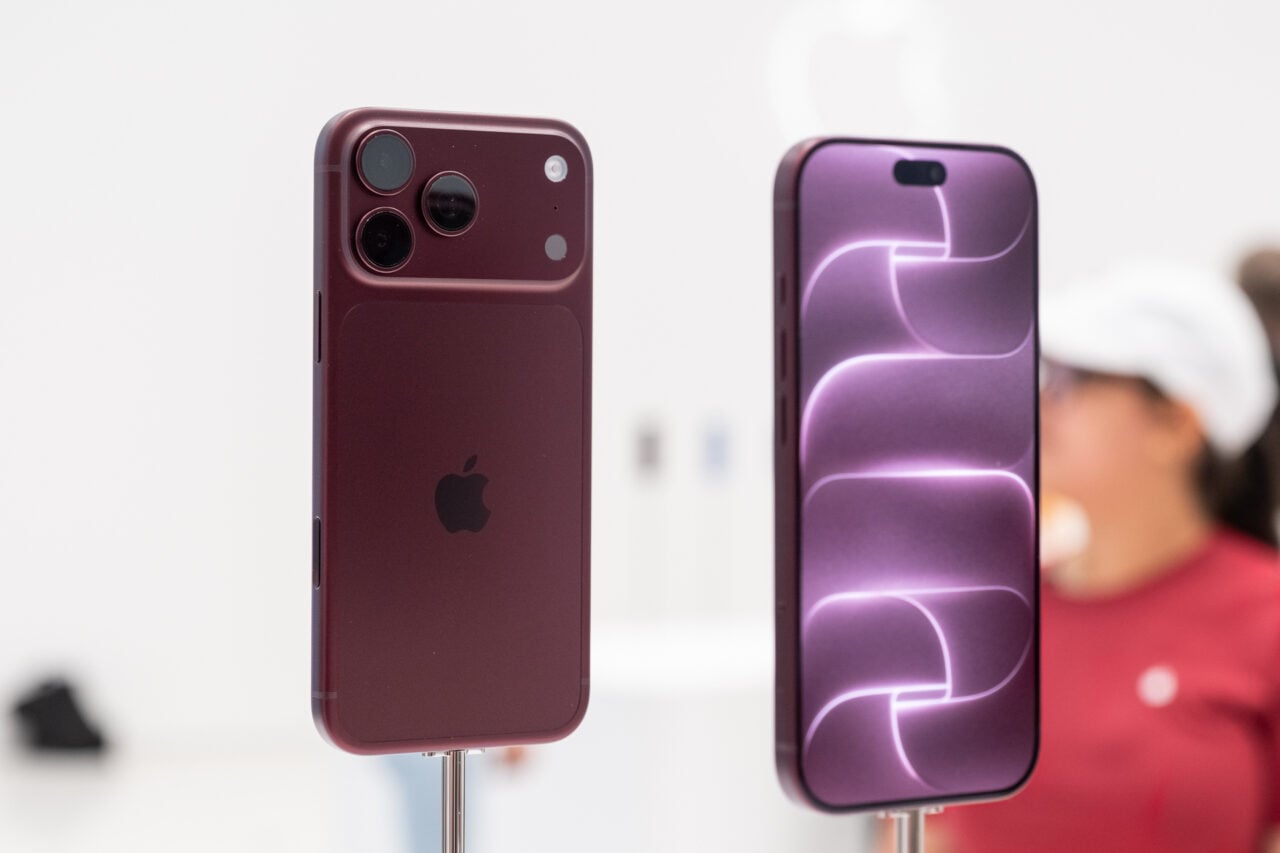
iPhone 18 Pro vs. iPhone 17 Pro: Upgrade for the Cameras
The iPhone 18 Pro's best new features are all inside the chassis and camera lens.
Brief by WorldPing · Original reporting by Gizmodo
 WorldPing
Apple's new folding iPhone Duo is finally here, alongside refreshed Pro models.
Our primer has all the details you need to choose the iPhone 18 that's right for you.
Platform, chip and AI decisions set the terms other companies have to build on, so a single announcement here tends to ripple through products, supply chains and regulation.
When each newsroom published on this story, oldest first — all times UTC.
The iPhone Duo’s hardware doesn’t look special, but its software might be
Best Robot Lawn Mowers (2026): 12+ Models Tested Over 3 Years
Which iPhone 18 Model Should You Buy?
The original report was published by WIRED. WorldPing does not claim that reporting — this page summarises and contextualises it.
Read the full report at WIREDLiving hubs that keep updating as this story develops.
WorldPingThe iPhone 18 Pro's best new features are all inside the chassis and camera lens.
Brief by WorldPing · Original reporting by Gizmodo
 WorldPing
Smart mowers are an expensive alternative to old-fashioned yard work, but they’re finally good enough to consider if you’d rather sip an iced tea and watch a robot tame your lawn.
Brief by WorldPing · Original reporting by WIRED
With the iPhone Duo, Apple has pulled off a familiar trick.
Brief by WorldPing · Original reporting by The Verge
Apple's foldable phone is finally here - well, almost.
Brief by WorldPing · Original reporting by The Verge
 WorldPing
Despite all the build-up and all the scrutiny, Apple's first foldable phone looks solid.
Brief by WorldPing · Original reporting by Engadget
 WorldPing
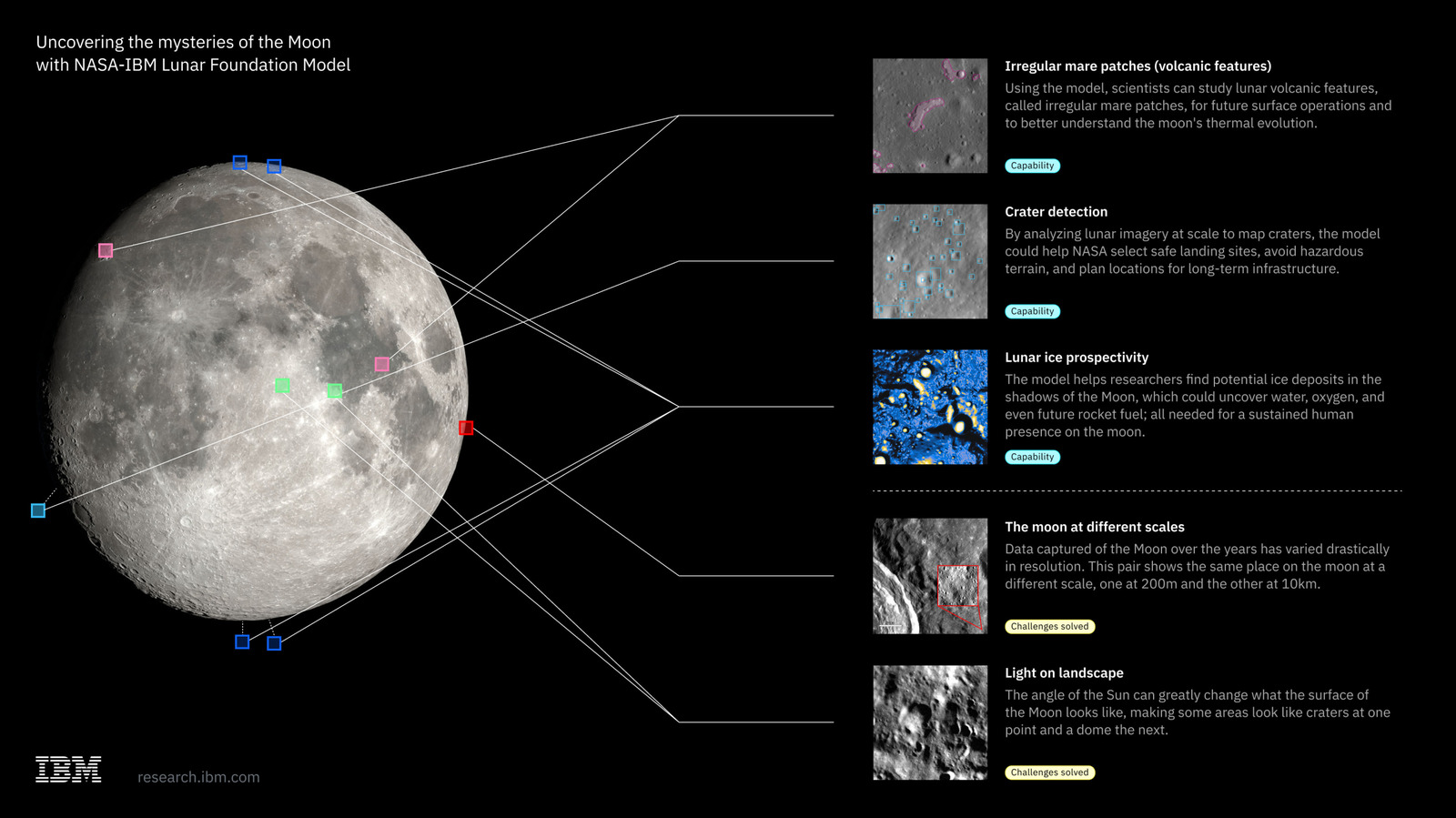
NASA and IBM's latest collaboration is an AI model of the moon made for the Artemis era.
Brief by WorldPing · Original reporting by Engadget