

Clarity Act failure may hamper U.S. crypto as industry seeks legal clarity elsewhere

Written and edited by the WorldPing NewsdeskPublished Updated Original reporting: CoinDesk
Clarity Act failure may hamper U.S. crypto as industry seeks legal clarity elsewhereWorldPing
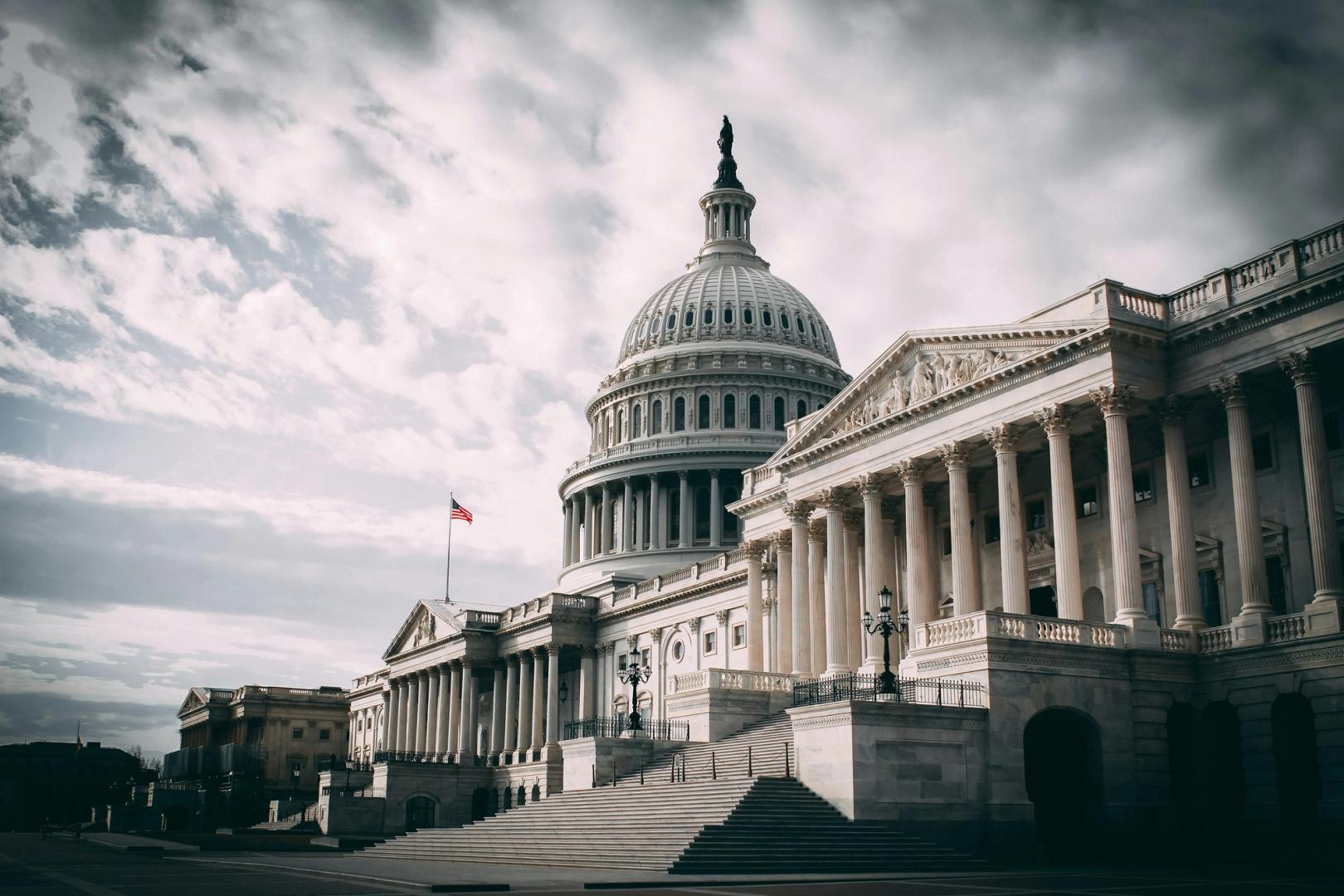
Image via CoinDesk.

What happened

The U.S. is likely to lose out to foreign markets in the short term, but SEC and CFTC rules will help underpin the industry.

Key facts

  • Reported by CoinDesk and published Thu, 17 Sep 2026 14:50:58 UTC.

Why it matters

Digital-asset markets react to catalysts within minutes, and liquidity, ETF flows and regulatory signals are usually what decide whether a move sticks.

What to watch next

  • Whether spot volume and open interest confirm the move
  • Liquidation clusters around the current price
  • ETF flow data and any regulatory follow-up

Coverage timeline

When each newsroom published on this story, oldest first — all times UTC.

  1. Bitwise CIO Hougan revises Clarity Act outlook, says crypto bull market may continue without legislation

  2. Clarity Act failure may hamper U.S. crypto as industry seeks legal clarity elsewhere

  3. SEC Clears a Path for Tokenized Stocks After Clarity Act Stumbles

  4. Crypto for Advisors: Beyond bitcoin and ether

  5. U.S. SEC begins prepping for around-the-clock trading that crypto treats as the norm

  6. UK signals end of 'light-touch' era with multi-agency raid on peer-to-peer crypto hubs

  7. FCA Targets Three More London Sites Over Unregistered P2P Crypto Trading

Sources

The original report was published by CoinDesk. WorldPing does not claim that reporting — this page summarises and contextualises it.

Read the full report at CoinDesk

Follow the story

Living hubs that keep updating as this story develops.

Related WorldPing coverage

SEC Clears a Path for Tokenized Stocks After Clarity Act StumblesWorldPing
Decrypt

SEC Clears a Path for Tokenized Stocks After Clarity Act Stumbles

The "innovation exemption" lets qualifying venues trade tokenized versions of U.S. stocks on public blockchains without registering as exchanges—though it excludes price-tracking "synthetics" and lets companies block tokenization of their shares.

Brief by WorldPing · Original reporting by Decrypt