

Why Russia’s harsh 1% crypto cap actually protects bank customer assets

Written and edited by the WorldPing NewsdeskPublished Updated Original reporting: CryptoSlate
Why Russia’s harsh 1% crypto cap actually protects bank customer assetsWorldPing
Image via CryptoSlate.

What happened

The draft counts banks’ own holdings and crypto-linked instruments against capital but conditionally excludes customer assets.

Key facts

  • Reported by CryptoSlate and published Sun, 20 Sep 2026 13:35:19 UTC.

Why it matters

Digital-asset markets react to catalysts within minutes, and liquidity, ETF flows and regulatory signals are usually what decide whether a move sticks.

What to watch next

  • Whether spot volume and open interest confirm the move
  • Liquidation clusters around the current price
  • ETF flow data and any regulatory follow-up

Coverage timeline

When each newsroom published on this story, oldest first — all times UTC.

  1. Why Russia’s harsh 1% crypto cap actually protects bank customer assets

  2. Crypto platform Gemini’s stock is down 80% from its IPO. That’s reviving takeover speculation

  3. EU staking review threatens crypto yields and network security could pay the price

  4. ACI Announces 5th Annual Forum on Digital Assets, Bringing Regulatory, Legal and Compliance Leaders to New York

  5. Why Solana’s new 250ms speed boost could actually trigger network instability

  6. Why keeping your private keys safe won’t always stop crypto theft

  7. Four Armed Men Tie up Family in French Crypto Home Invasion

Sources

The original report was published by CryptoSlate. WorldPing does not claim that reporting — this page summarises and contextualises it.

Read the full report at CryptoSlate

Related WorldPing coverage

Why keeping your private keys safe won’t always stop crypto theftWorldPing
CryptoSlate

Why keeping your private keys safe won’t always stop crypto theft

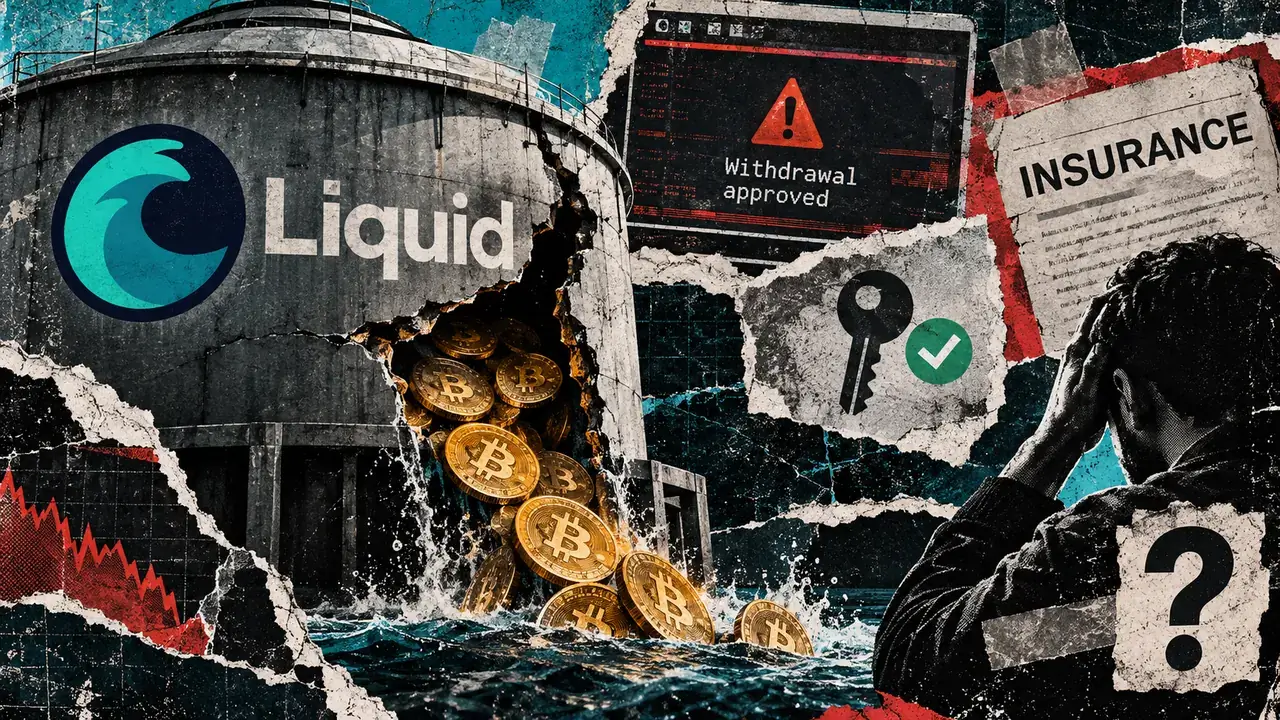
Almost 4,000 Bitcoin left Liquid's reserve on Sept. 6 through a withdrawal the network approved, even though the private keys used to authorize it hadn't been stolen. Software had accepted a withdrawal that should never have qualified.

Brief by WorldPing · Original reporting by CryptoSlate