WorldPingPart-human part-mouse brain developed in science breakthrough
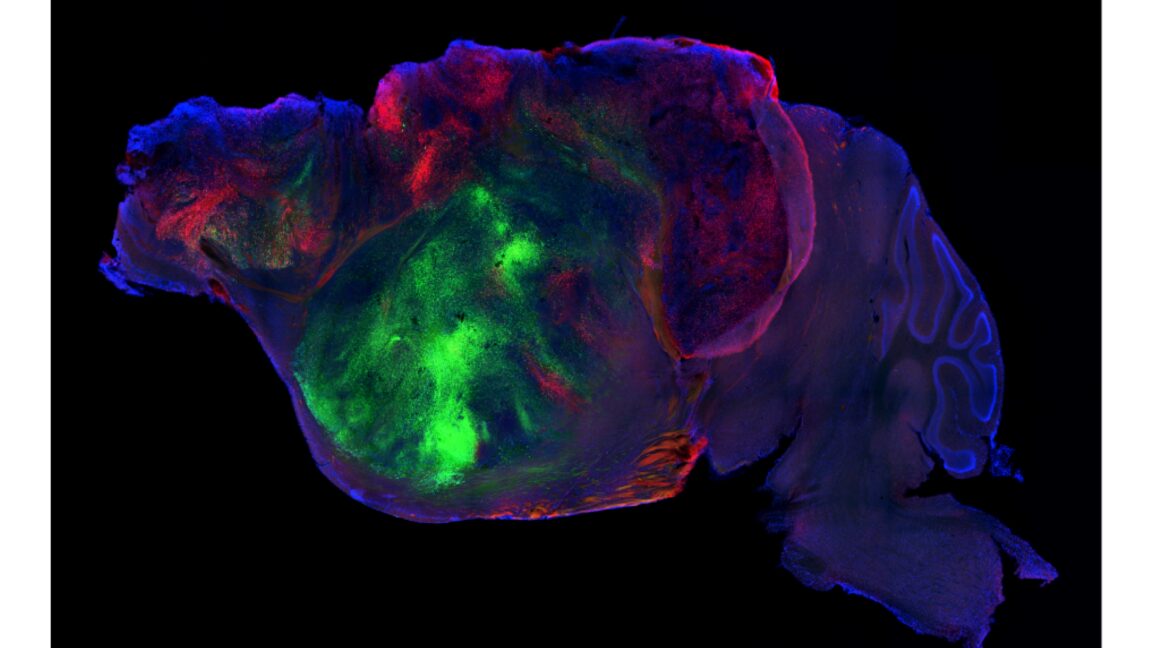
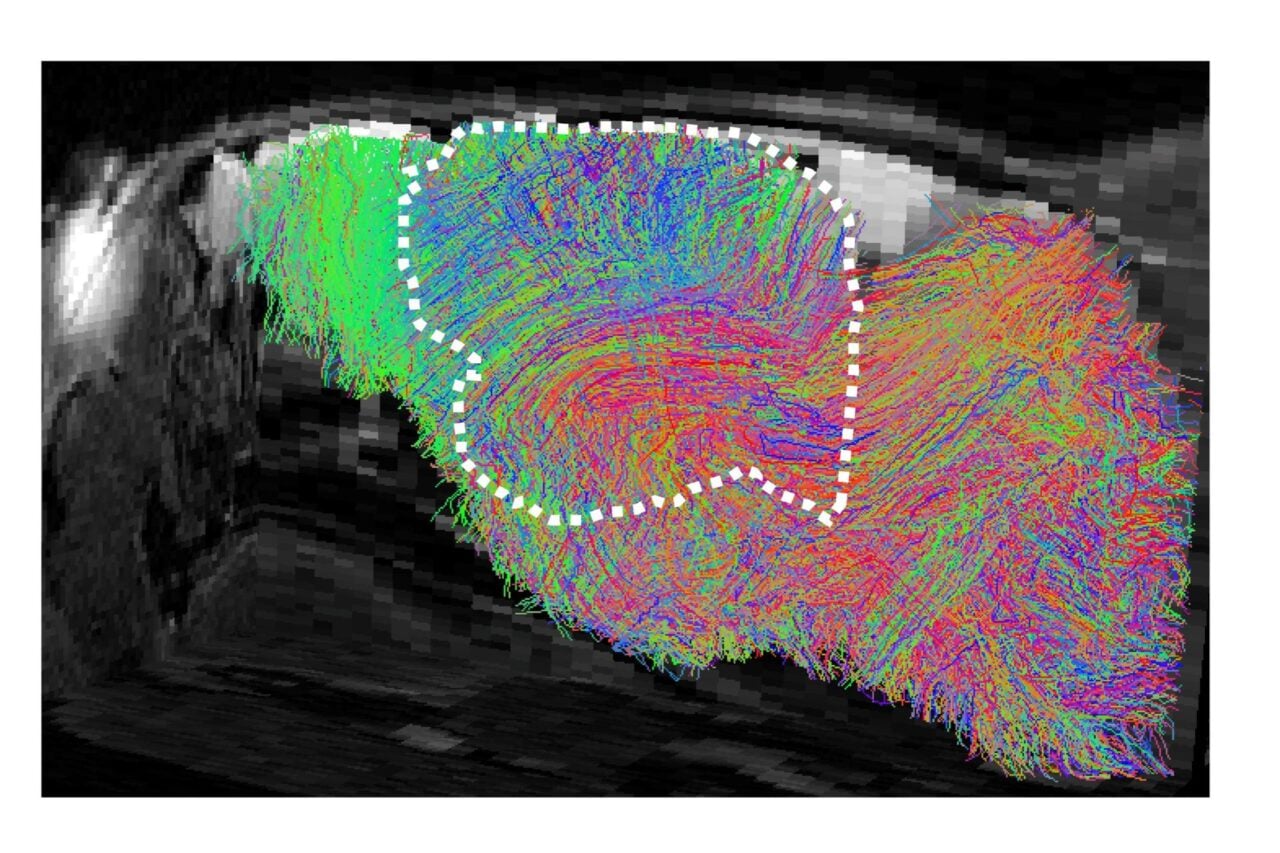
Researchers at Stanford University genetically altered mice to be able to receive and function with human brain cells.
Brief by WorldPing · Original reporting by BBC Science
WorldPingWhen we tell a dog "no" and it resists temptation, what happens in its brain?
Research findings and mission results set the evidence base that policy, funding and later discoveries build on.
When each newsroom published on this story, oldest first — all times UTC.
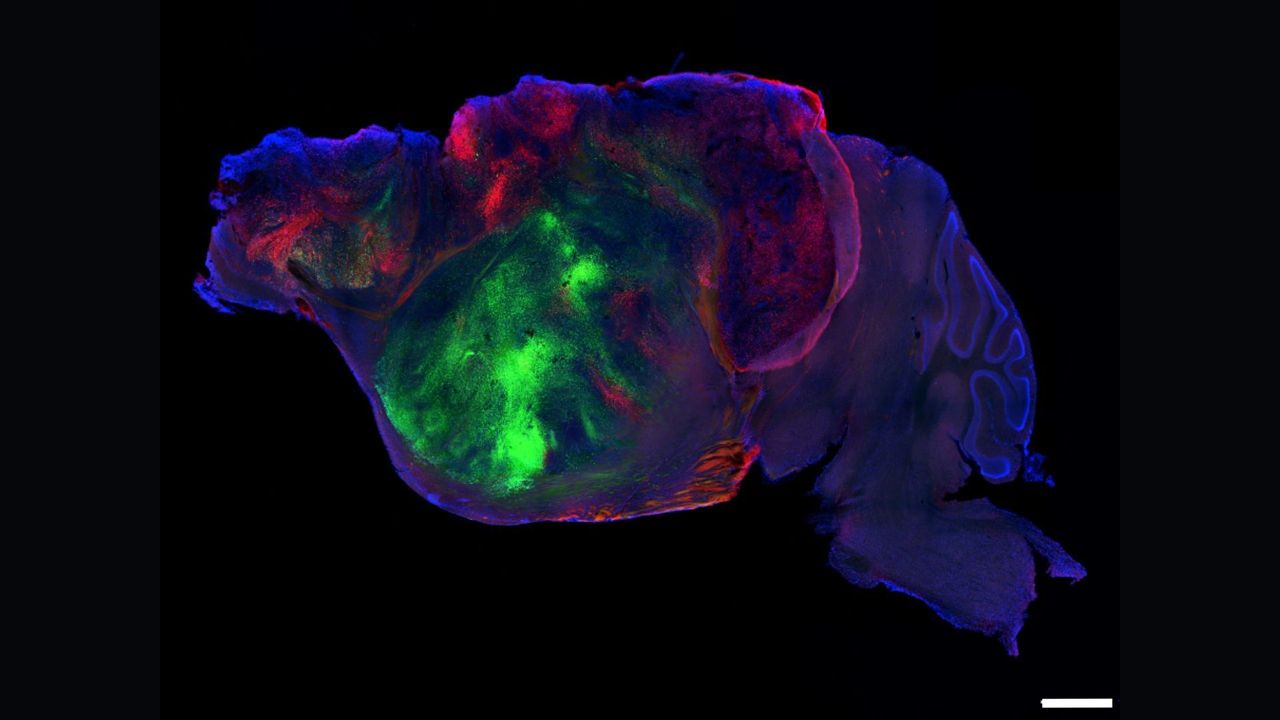
Scientists shrank mice's brains and replaced the missing tissue with human 'organoids'
Part-human part-mouse brain developed in science breakthrough
Dogs show human-like brain activity when they restrain themselves
The original report was published by Phys.org. WorldPing does not claim that reporting — this page summarises and contextualises it.
Read the full report at Phys.org
WorldPingResearchers at Stanford University genetically altered mice to be able to receive and function with human brain cells.
Brief by WorldPing · Original reporting by BBC Science

WorldPingScientists have devised a new way to incorporate human brain tissue into living mice, opening the door to new research.
Brief by WorldPing · Original reporting by Live Science
WorldPingSolana is rolling out some of its most significant performance upgrades as network activity reaches record levels.
Brief by WorldPing · Original reporting by CryptoSlate
WorldPingThe results are only a slight improvement over missing the entire brain structure.
Brief by WorldPing · Original reporting by Ars Technica
WorldPingI used an open-source map of a fruit fly’s brain to vibe code a website called PitchFly. Its headline suggestions were delightfully bananas.
Brief by WorldPing · Original reporting by WIRED
WorldPingThe human brain organoids were able to form functional neural networks.
Brief by WorldPing · Original reporting by Gizmodo