NASA’s Roman Space Telescope could last more than twice as long as planned

Written and edited by the WorldPing NewsdeskPublished Updated Original reporting: ScienceDaily

What happened

NASA’s Roman Space Telescope may now have enough fuel for at least 22 years of science, more than double its original 10 year design life.

Key facts

  • NASA’s Roman Space Telescope may now have enough fuel for at least 22 years of science, more than double its original 10 year design life.
  • Reported by ScienceDaily and published Fri, 18 Sep 2026 11:31:56 UTC.

Why it matters

Research findings and mission results set the evidence base that policy, funding and later discoveries build on.

What to watch next

  • Peer review status and replication of the findings
  • Mission milestones and next scheduled attempt
  • Funding or policy decisions that follow

Coverage timeline

When each newsroom published on this story, oldest first — all times UTC.

  1. NASA’s Roman Space Telescope could last more than twice as long as planned

  2. Closing the space gap: A more precise way to measure distance between quasar pairs

  3. Small gardens are a big barrier to supporting nature—but better planning could protect UK wildlife

  4. When disaster crosses borders, Indonesia's credibility is tested twice

  5. COSI Telescope Comes Together

  6. 'Of course I am worried': Live Science readers react to US weapons in space

  7. NASA Awards SpaceX Three Crew Flights to Space Station

Sources

The original report was published by ScienceDaily. WorldPing does not claim that reporting — this page summarises and contextualises it.

Read the full report at ScienceDaily

Follow the story

Living hubs that keep updating as this story develops.

Related WorldPing coverage

NASA Awards SpaceX Three Crew Flights to Space StationWorldPing
NASA

NASA Awards SpaceX Three Crew Flights to Space Station

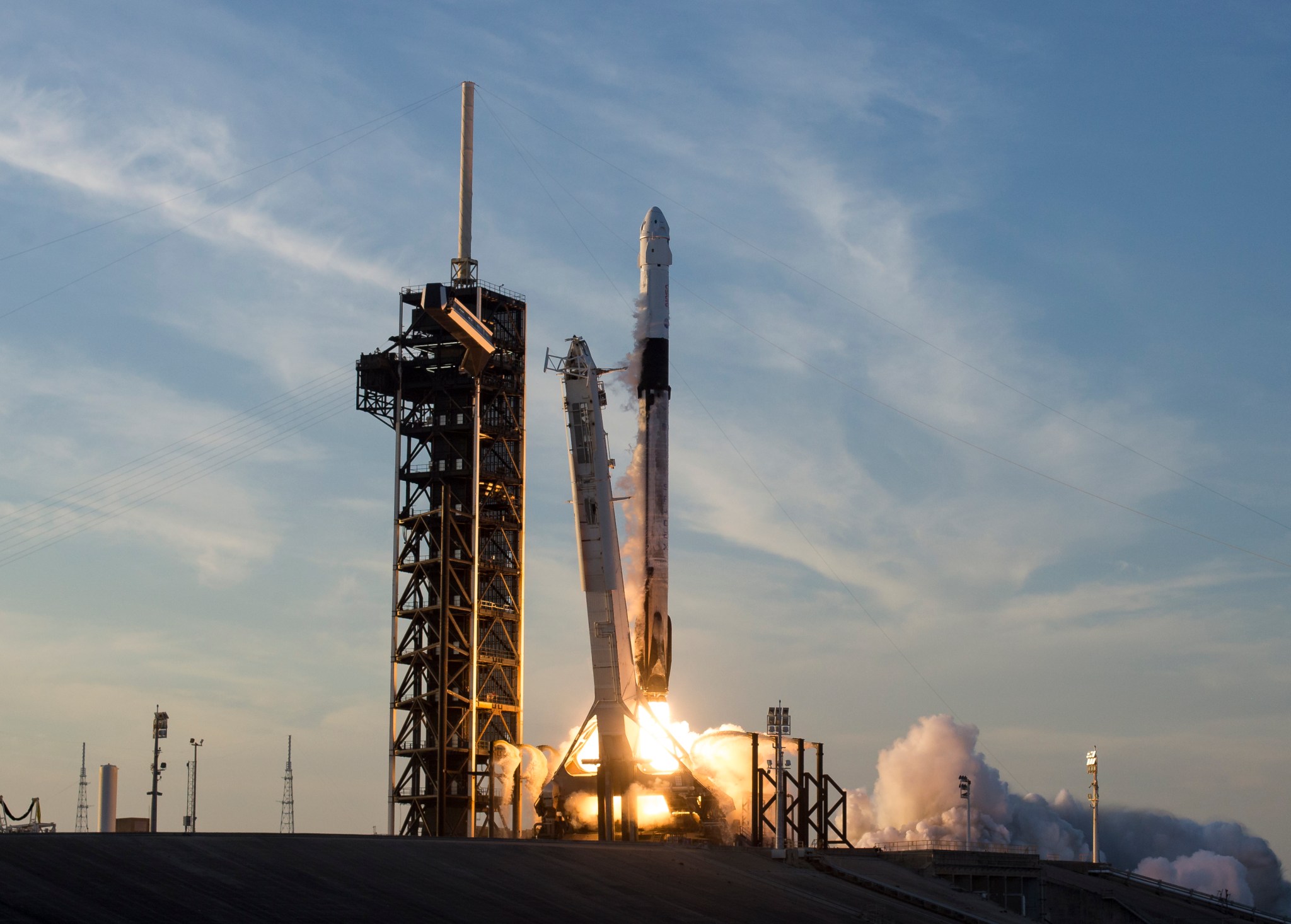
To continue regular crew transportation to the International Space Station, NASA has awarded SpaceX three additional missions through a contract modification.

Brief by WorldPing · Original reporting by NASA
COSI Telescope Comes TogetherWorldPing
NASA

COSI Telescope Comes Together

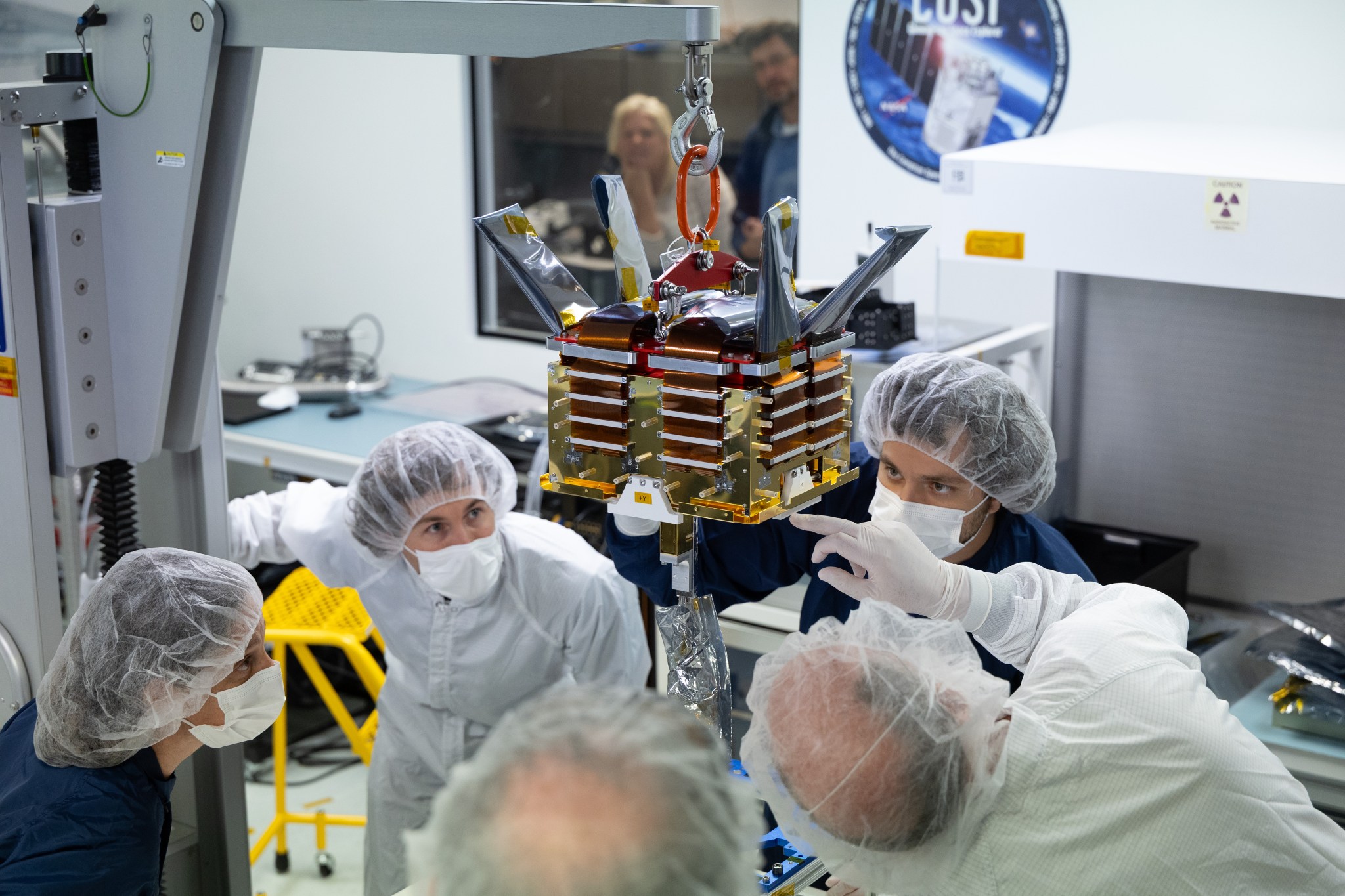
UC Berkeley engineers and managers watch as the COSI (Compton Spectrometer and Imager) detector assembly is slowly raised from a table in this July 8, 2026, image.

Brief by WorldPing · Original reporting by NASA