Part-human part-mouse brain developed in science breakthrough

Written and edited by the WorldPing NewsdeskPublished Updated Original reporting: BBC Science
Part-human part-mouse brain developed in science breakthroughWorldPing
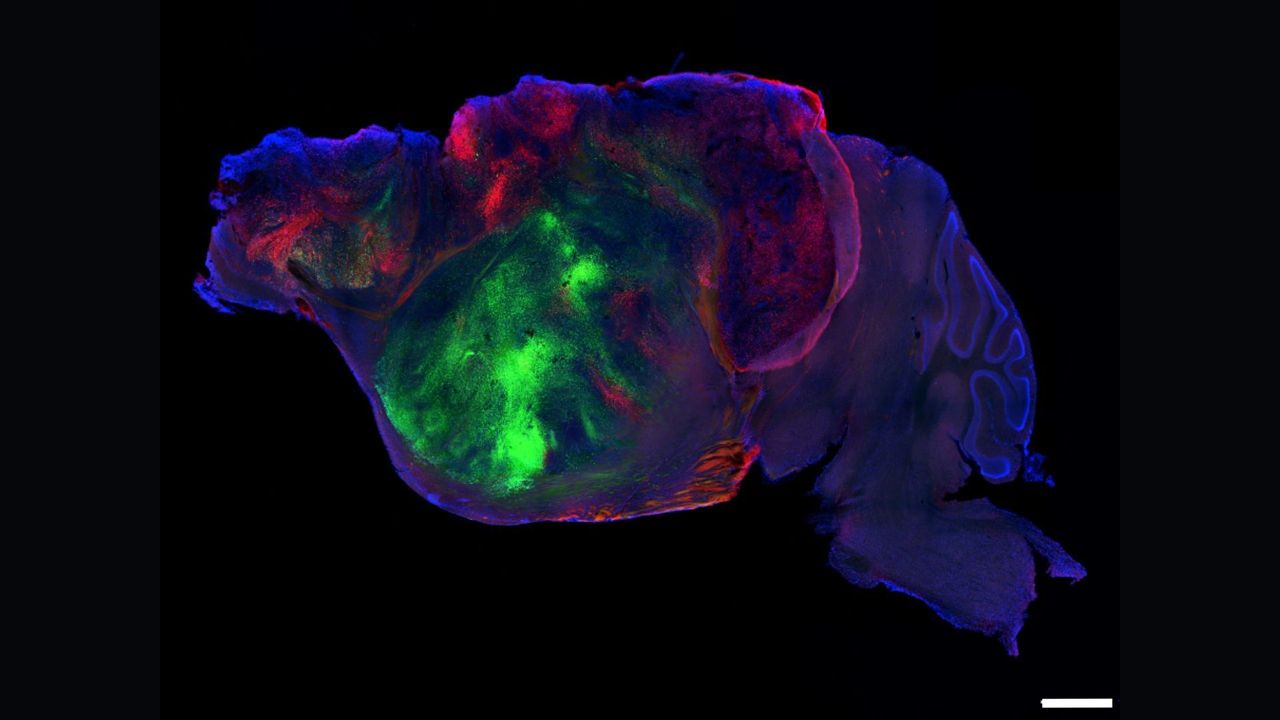
Image via BBC Science.

What happened

Researchers at Stanford University genetically altered mice to be able to receive and function with human brain cells.

Key facts

  • Reported by BBC Science and published Wed, 16 Sep 2026 15:53:27 UTC.

Why it matters

Research findings and mission results set the evidence base that policy, funding and later discoveries build on.

What to watch next

  • Peer review status and replication of the findings
  • Mission milestones and next scheduled attempt
  • Funding or policy decisions that follow

Coverage timeline

When each newsroom published on this story, oldest first — all times UTC.

  1. Why The Ambidextrous Universe is a masterpiece of science writing

  2. Scientists recreated what mice saw from brain activity alone

  3. Scientists shrank mice's brains and replaced the missing tissue with human 'organoids'

  4. Human organoids restore cognition in mice with half a brain

  5. The science behind greener, healthier lawns

  6. Part-human part-mouse brain developed in science breakthrough

Sources

The original report was published by BBC Science. WorldPing does not claim that reporting — this page summarises and contextualises it.

Read the full report at BBC Science

Related WorldPing coverage

The science behind greener, healthier lawnsWorldPing
Phys.org

The science behind greener, healthier lawns

A healthy, green lawn can be the envy of any neighborhood, but how does someone cultivate a yard like that? Assistant Professor of Ecosystem Science Amber Churchill has been getting her hands dirty and digging into the science behind it.

Brief by WorldPing · Original reporting by Phys.org

Human organoids restore cognition in mice with half a brainWorldPing
New Scientist

Human organoids restore cognition in mice with half a brain

Mice with half a brain experienced significant improvements in their cognition and movement when they received brain organoids made from human stem cells…

Brief by WorldPing · Original reporting by New Scientist

Why The Ambidextrous Universe is a masterpiece of science writingWorldPing
New Scientist

Why The Ambidextrous Universe is a masterpiece of science writing

Don’t read The Ambidextrous Universe unless you are serious about maths and physics, because Martin Gardner is very happy to make his readers work – to enthralling effect, says Jacklin Kwan…

Brief by WorldPing · Original reporting by New Scientist