 WorldPing
 WorldPing
The Hindu
OpenAI's Altman won't do IPO this year, calls AI extinction risk 'unacceptable'
The comments come as more U.S.lawmakers urge new rules to govern AI systems…
Brief by WorldPing · Original reporting by The Hindu
 WorldPing
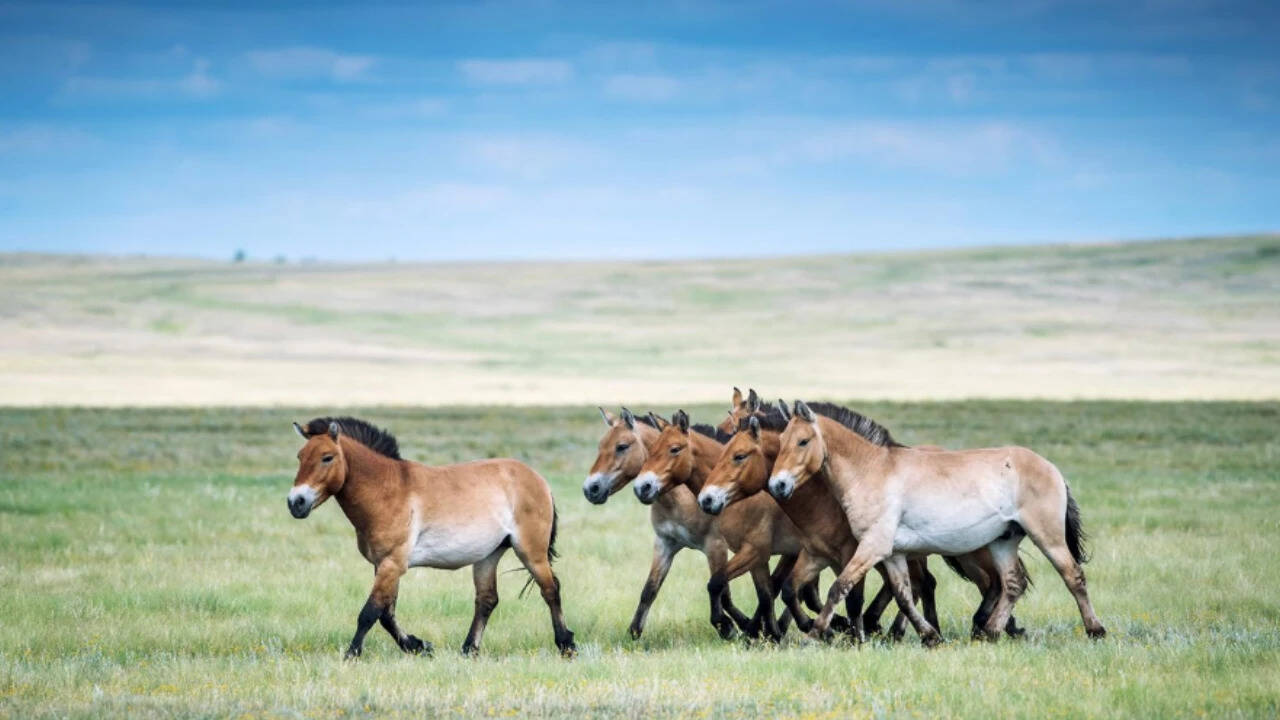
The Przewalski’s horse was once extinct in the wild in China.
After 40 years of conservation work, its population has reached about 900, with herds in several protected areas now reproducing independently.
International stories like this one shape diplomacy, travel, energy supply and security decisions well beyond the country involved, which is why WorldPing tracks every update on it in one place.
When each newsroom published on this story, oldest first — all times UTC.
First H5 bird flu death of endangered Australian sea lion recorded amid fears for small population
OpenAI's Altman won't do IPO this year, calls AI extinction risk 'unacceptable'
World’s only truly wild horse rebounds from extinction; population tops 900
The original report was published by Times of India. WorldPing does not claim that reporting — this page summarises and contextualises it.
Read the full report at Times of IndiaLiving hubs that keep updating as this story develops.
WorldPingThe comments come as more U.S.lawmakers urge new rules to govern AI systems…
Brief by WorldPing · Original reporting by The Hindu
 WorldPing
South Australian authorities say case discovered on Kangaroo Island is first for species of which less than 12,000 animals remain Get our breaking news email , free app or daily news podcast South Australia has recorded the first death of an endanger…
Brief by WorldPing · Original reporting by The Guardian
 WorldPing
We've found more than 5,500 exoplanets so far. Dozens of them are in the habitable zones of their parent stars, where, at least in theory, they could host an ocean. But we've never definitively found a liquid ocean on another planet.
Brief by WorldPing · Original reporting by Phys.org