High Alert

Warning of space arms race as US confirms weapons in Earth's orbit

Written and edited by the WorldPing NewsdeskPublished Updated Original reporting: BBC News
Warning of space arms race as US confirms weapons in Earth's orbitWorldPing
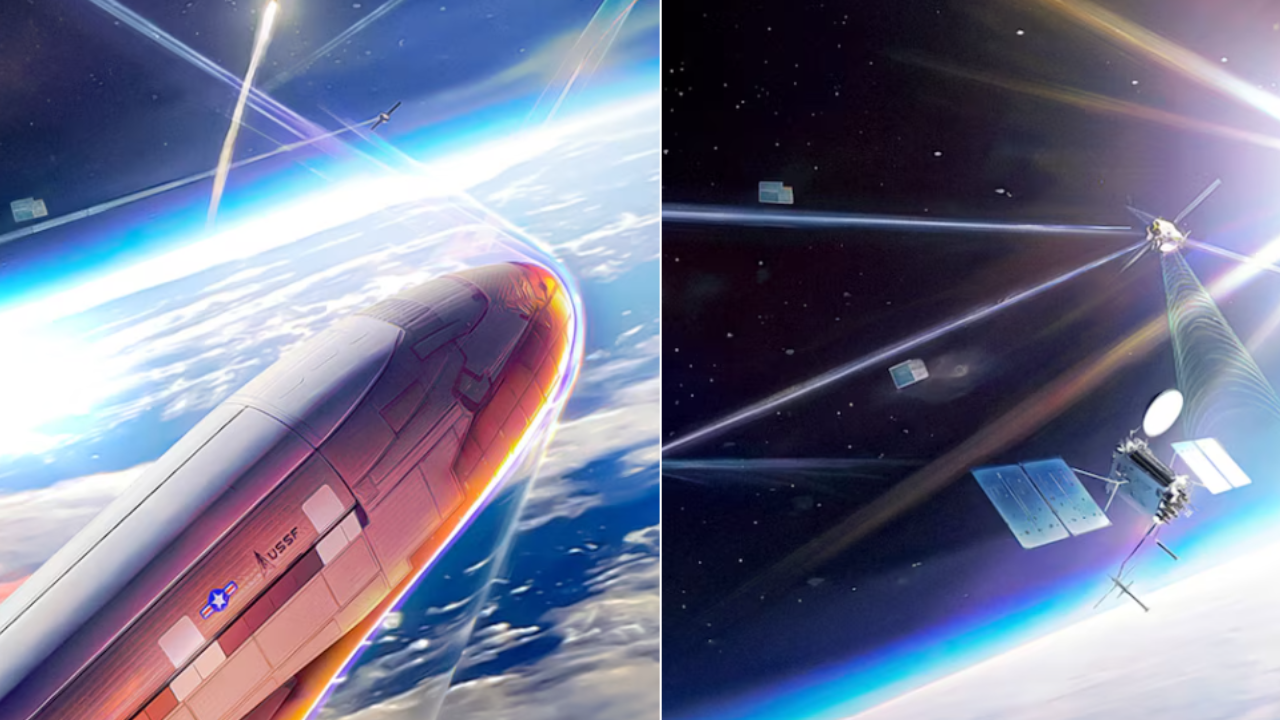
Image via BBC News.

What happened

The US has confirmed it deployed a space weapon in Earth's orbit, the first time it has acknowledged such offensive capabilities.

Key facts

  • The US has confirmed it deployed a space weapon in Earth's orbit, the first time it has acknowledged such offensive capabilities.
  • Reported by BBC News and published Tue, 15 Sep 2026 17:35:02 UTC.

Why it matters

International stories like this one shape diplomacy, travel, energy supply and security decisions well beyond the country involved, which is why WorldPing tracks every update on it in one place.

What to watch next

  • Official statements or denials from the governments named
  • Whether other major newsrooms confirm the same details
  • Any follow-up decision, vote or deadline tied to the event

Coverage timeline

When each newsroom published on this story, oldest first — all times UTC.

  1. U.S. confirms for first time it has weapons deployed in space

  2. What are ‘space weapons’, which US says it has deployed into orbit?

  3. Iran war has led to US munitions shortfalls, Pentagon inspector confirms

  4. Good heavens! US reveals it has placed weapons in space

  5. Warning of space arms race as US confirms weapons in Earth's orbit

Sources

The original report was published by BBC News. WorldPing does not claim that reporting — this page summarises and contextualises it.

Read the full report at BBC News

Follow the story

Living hubs that keep updating as this story develops.

Related WorldPing coverage

Why weapons used in space could impact us allWorldPing
BBC Science

Why weapons used in space could impact us all

The US has confirmed it deployed a space weapon in Earth's orbit, the first time it has acknowledged such offensive capabilities.

Brief by WorldPing · Original reporting by BBC Science