 WorldPing
 WorldPing
Gizmodo
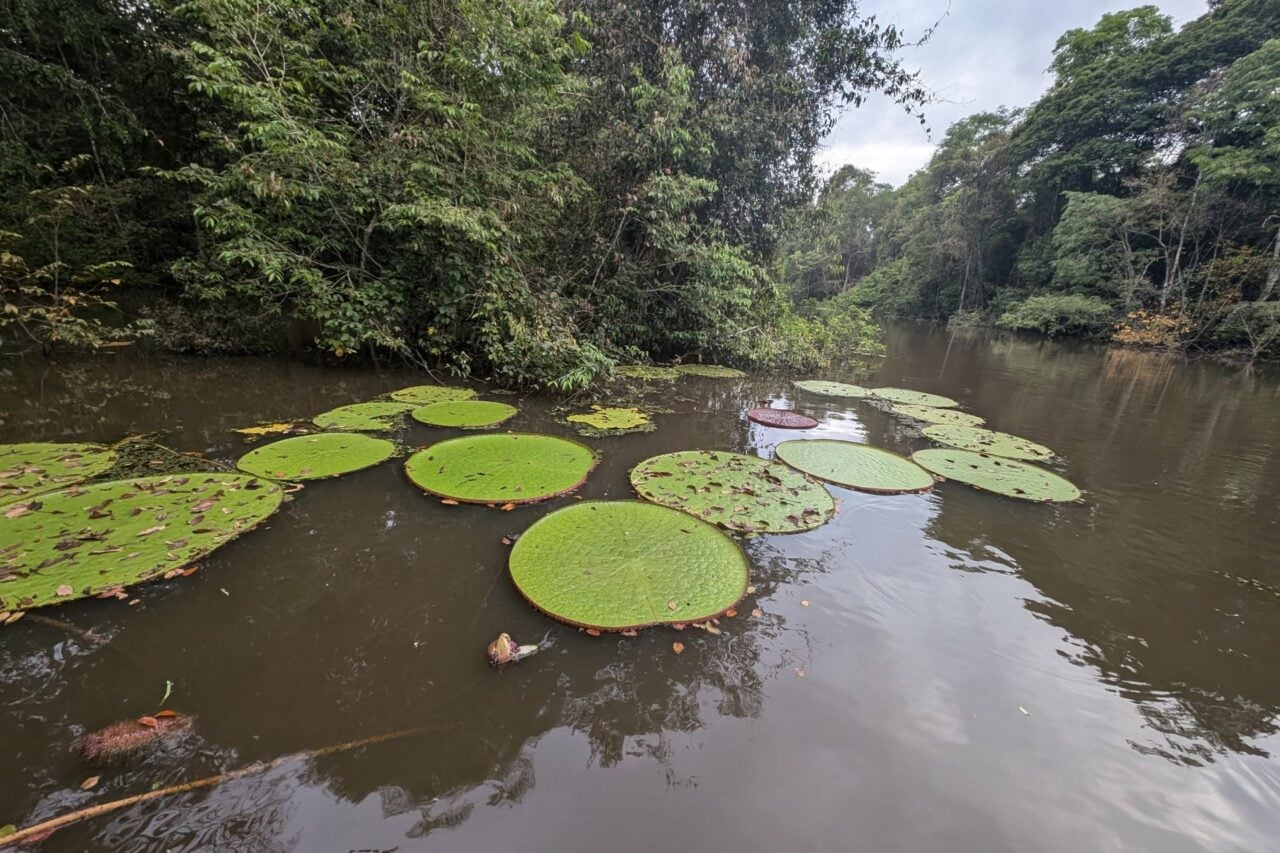
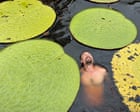
Someone Posted an Instagram Selfie. Scientists Spotted a Giant New Species in the Background
Sometimes, scientific discoveries can come from the most unexpected sources.
Brief by WorldPing · Original reporting by Gizmodo
 WorldPing
Species with leaves large enough to be seen from space is already critically endangered – and plans are afoot to protect it A chance social media encounter has led to the race-against-time discovery of a new species of giant waterlily that has until…
International stories like this one shape diplomacy, travel, energy supply and security decisions well beyond the country involved, which is why WorldPing tracks every update on it in one place.
When each newsroom published on this story, oldest first — all times UTC.
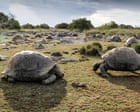
Scientists discover 180,000 giant tortoises on one Seychelles island
French giants Bordeaux relegated to sixth tier for financial irregularities
How a plant selfie in Colombian jungle led to ‘jaw dropping’ giant waterlily find
The original report was published by The Guardian. WorldPing does not claim that reporting — this page summarises and contextualises it.
Read the full report at The GuardianWorldPingSometimes, scientific discoveries can come from the most unexpected sources.
Brief by WorldPing · Original reporting by Gizmodo
Six-time French champions Bordeaux, the club where Zinedine Zidane made his name, to play in sixth tier after sanctions.
Brief by WorldPing · Original reporting by Al Jazeera
 WorldPing
Free-roaming Aldabra population far exceeds human population of Seychelles after decades-long recovery programme A survey of the world’s largest free-roaming giant tortoise population has discovered that the once endangered species is thriving.
Brief by WorldPing · Original reporting by The Guardian
 WorldPing
A new paper published in the journal Phytotaxa describes a new species in the genus Victoria, the Colombian giant water lily (Victoria colombiana). With only three other known species in the genus, V.
Brief by WorldPing · Original reporting by Phys.org
 WorldPing
A new species of giant waterlily identified with the help of social media and satellite photos is just one of three discovered in the past few years…
Brief by WorldPing · Original reporting by New Scientist