
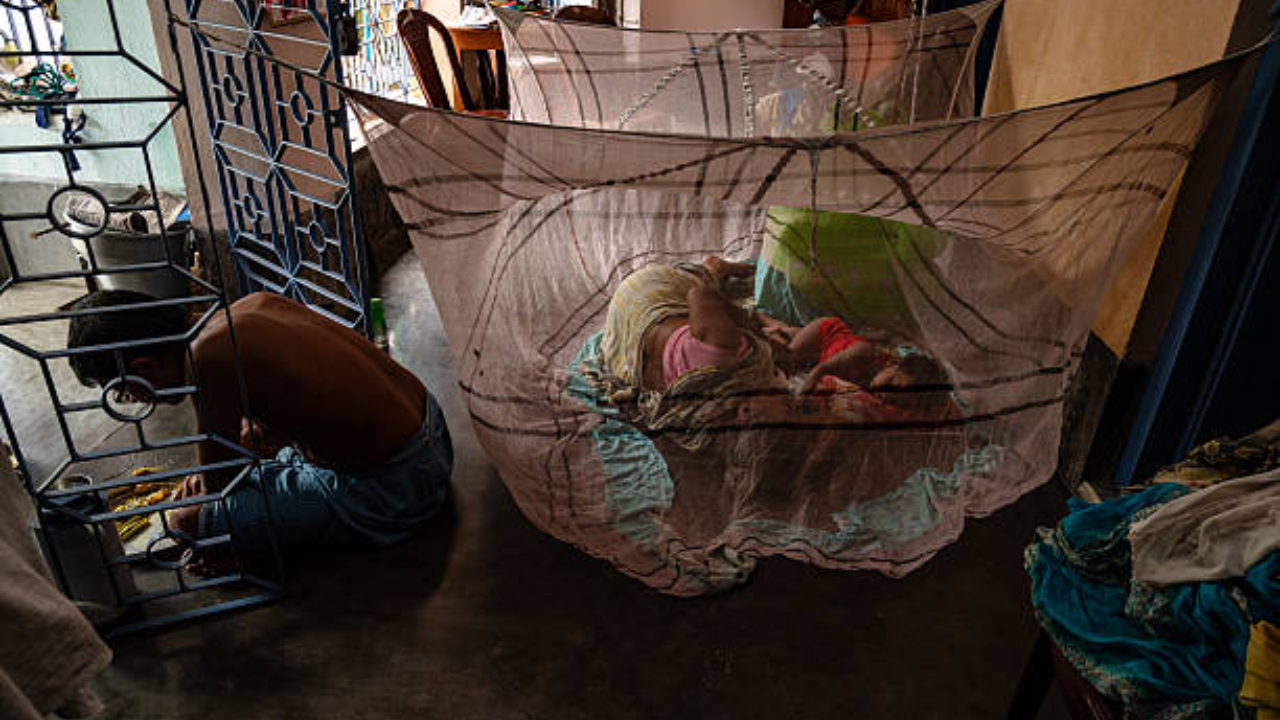

Bill Gates-backed malaria nets helped fight disease, but are harming African waters

Written and edited by the WorldPing NewsdeskPublished Updated Original reporting: Times of India
Bill Gates-backed malaria nets helped fight disease, but are harming African watersWorldPing
Image via Times of India.

What happened

In various regions of Africa, the repurposing of insecticide-treated mosquito nets for fishing is becoming a growing trend.

This alarming practice not only jeopardizes fish populations but also poses a serious threat to fragile aquatic ecosystems.

Key facts

  • Reported by Times of India and published Mon, 12 Oct 2026 08:36:05 UTC.

Why it matters

International stories like this one shape diplomacy, travel, energy supply and security decisions well beyond the country involved, which is why WorldPing tracks every update on it in one place.

What to watch next

  • Official statements or denials from the governments named
  • Whether other major newsrooms confirm the same details
  • Any follow-up decision, vote or deadline tied to the event

Coverage timeline

When each newsroom published on this story, oldest first — all times UTC.

  1. Trump says he is 'going to look at' joining Saudi Arabia in the fight against Iran-backed Houthis after deadly airport strike

  2. Lawyers who helped detained Australian Robert Pether leave Iraq criticise Wong for announcing news

  3. Bill Gates-backed malaria nets helped fight disease, but are harming African waters

Sources

The original report was published by Times of India. WorldPing does not claim that reporting — this page summarises and contextualises it.

Read the full report at Times of India

Related WorldPing coverage

ScienceDaily
WorldPing
ScienceDaily

Scientists discover why a 100-year-old mushroom disease won't go away

Scientists have uncovered a surprising secret behind a mushroom disease that has frustrated growers for more than a century: It involves more than 17 species of harmful bacteria, not just one.

Brief by WorldPing · Original reporting by ScienceDaily