
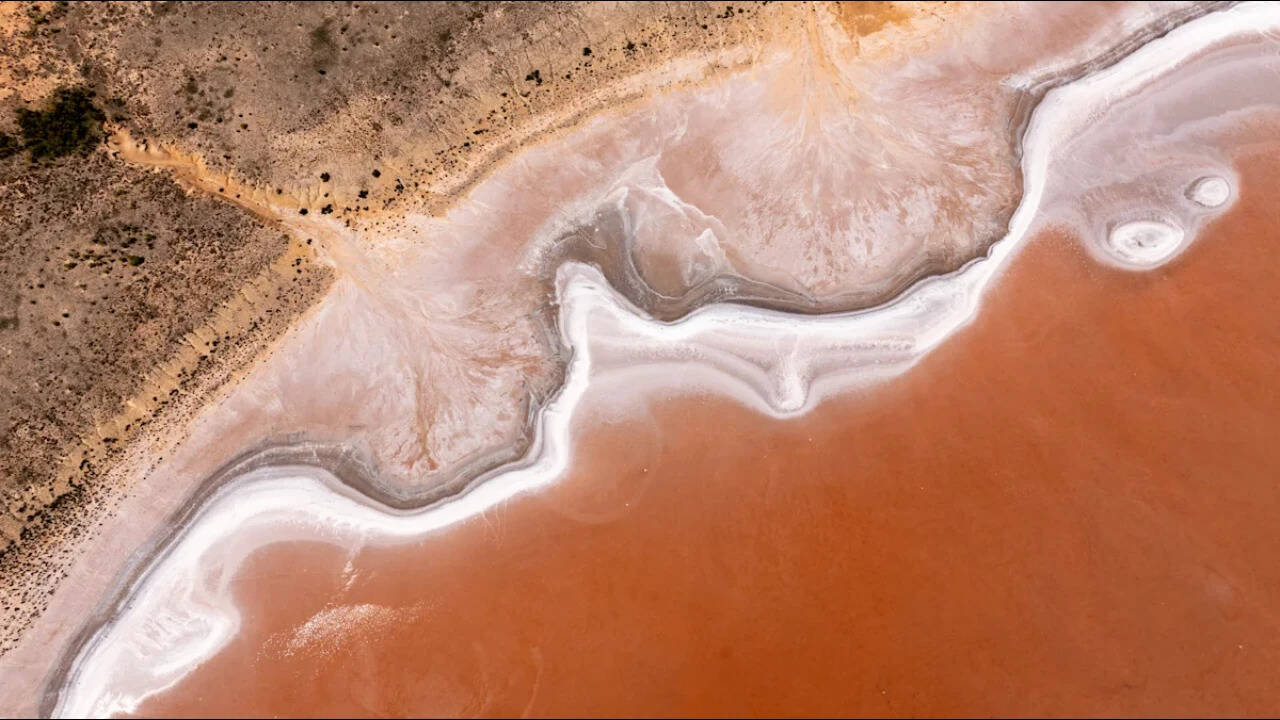

Australia buys 74,000-hectare station to protect pink lakes, threatened species

Written and edited by the WorldPing NewsdeskPublished Updated Original reporting: Times of India
Australia buys 74,000-hectare station to protect pink lakes, threatened speciesWorldPing
Image via Times of India.

What happened

The acquisition of Pulgamurtie Station in New South Wales, covering 74,000 hectares of unique landscapes, aims to protect the area's stunning pink lakes and vulnerable wildlife.

Key facts

  • The acquisition of Pulgamurtie Station in New South Wales, covering 74,000 hectares of unique landscapes, aims to protect the area's stunning pink lakes and vulnerable wildlife.
  • Reported by Times of India and published Thu, 08 Oct 2026 11:36:21 UTC.

Why it matters

International stories like this one shape diplomacy, travel, energy supply and security decisions well beyond the country involved, which is why WorldPing tracks every update on it in one place.

What to watch next

  • Official statements or denials from the governments named
  • Whether other major newsrooms confirm the same details
  • Any follow-up decision, vote or deadline tied to the event

Coverage timeline

When each newsroom published on this story, oldest first — all times UTC.

  1. Syrian general accused of atrocities is protected by U.S. and Lebanon, NPR and BBC find

  2. Australia buys 74,000-hectare station to protect pink lakes, threatened species

  3. One Nation’s AI video is vile and tired – but the ensloppification of Australian politics doesn’t stop there

Sources

The original report was published by Times of India. WorldPing does not claim that reporting — this page summarises and contextualises it.

Read the full report at Times of India

Related WorldPing coverage

Mission success: Australian cancer research returns from spaceWorldPing
Phys.org

Mission success: Australian cancer research returns from space

Human stem cells from Adelaide University's Center for Cancer Biology have successfully traveled to the edge of space and back as part of a landmark mission for Australian cancer research.

Brief by WorldPing · Original reporting by Phys.org