 WorldPing
 WorldPing
Gizmodo
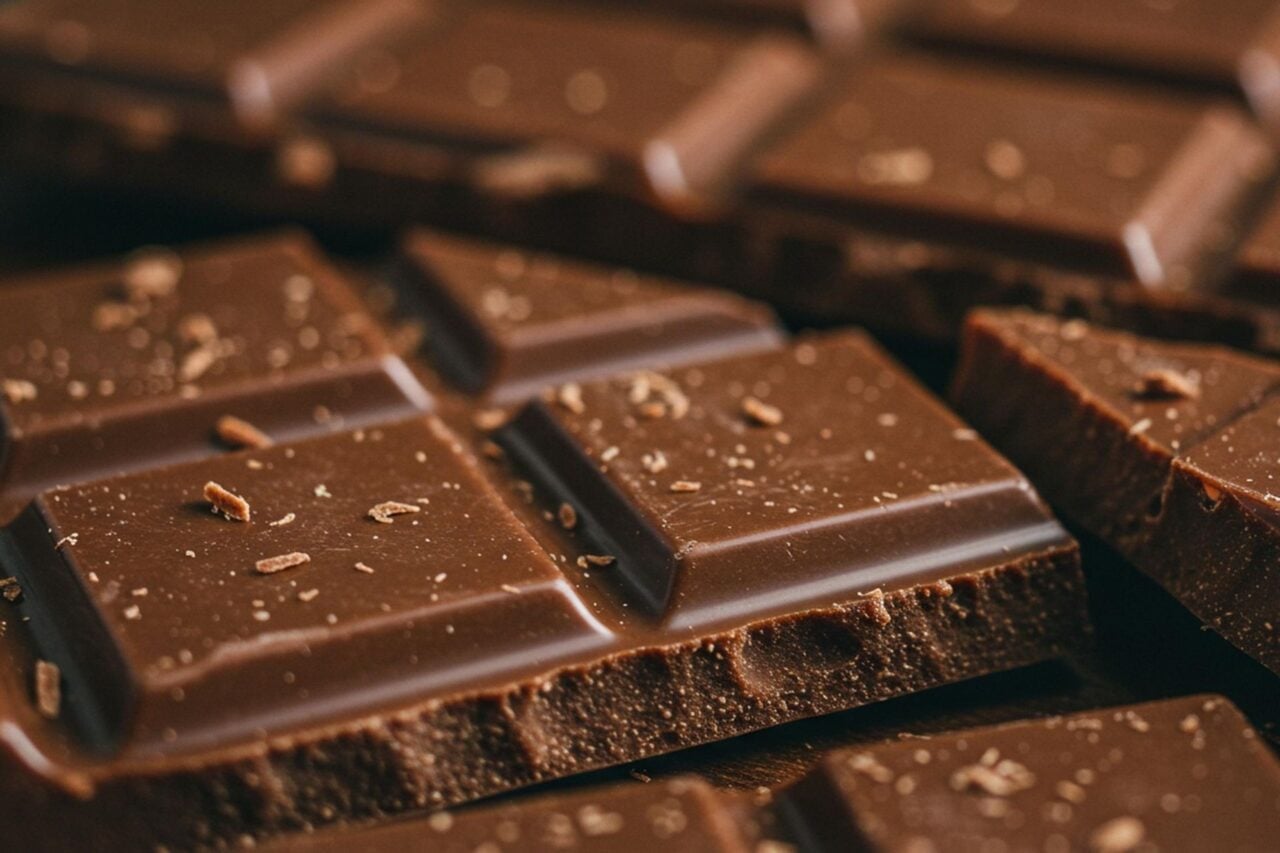
Scientists Found Chocolate’s Biggest Climate Problem—and It Isn’t Heat or Drought
A new study could help farmers adapt to an underappreciated threat to cocoa harvests.
Brief by WorldPing · Original reporting by Gizmodo
 WorldPing
After developing the biggest-ever map of Roman roads, a team of archaeologists has found that some of our most basic assumptions about them may be way off.
Platform, chip and AI decisions set the terms other companies have to build on, so a single announcement here tends to ripple through products, supply chains and regulation.
When each newsroom published on this story, oldest first — all times UTC.
Scientists Studied 185,896 Miles of Roman Roads—and That’s Still the ‘Tip of the Iceberg’
Scientists Found Chocolate’s Biggest Climate Problem—and It Isn’t Heat or Drought
The original report was published by Gizmodo. WorldPing does not claim that reporting — this page summarises and contextualises it.
Read the full report at GizmodoWorldPingA new study could help farmers adapt to an underappreciated threat to cocoa harvests.
Brief by WorldPing · Original reporting by Gizmodo
 WorldPing
Ice is cheap, abundant and surprisingly strong. But it has one major weakness: Cracks can race through it, causing it to shatter without warning. Now, scientists have developed a new material that could overcome that problem.
Brief by WorldPing · Original reporting by Phys.org
 WorldPing
Detailed data on the Roman Empire’s entire road network is offering fresh insight into how Romans built their infrastructure and how it influenced the future geography of Europe…
Brief by WorldPing · Original reporting by New Scientist
Scientists have uncovered sweeping changes in how the human brain controls and organizes its genome beginning in midlife, offering new clues to why aging sharply increases the risk of Alzheimer’s and other neurodegenerative diseases.
Brief by WorldPing · Original reporting by ScienceDaily
Astronomers have discovered that winds from a supermassive black hole are about 100 times more powerful than previously thought.
Brief by WorldPing · Original reporting by ScienceDaily
 WorldPing
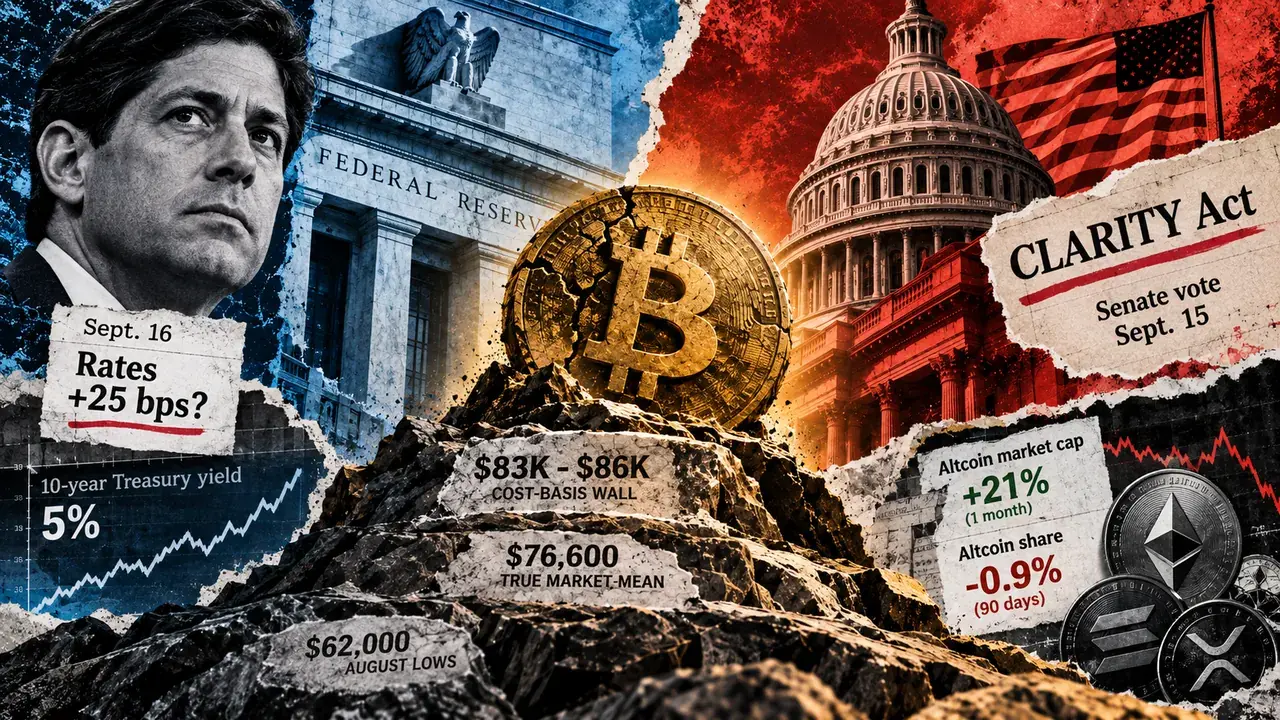
Glassnode reported that altcoin market capitalization climbed 21% over the past month, while altcoins' share of the combined Bitcoin-and-altcoin market fell 0.9 percentage points over 90 days, based on data as of Sept. 7.
Brief by WorldPing · Original reporting by CryptoSlate