 WorldPing
 WorldPing
Gizmodo
New Nothing Wireless Headphones Could Be Coming This Month
Nothing may be rounding out its Headphone 1 with a "Pro" model.
Brief by WorldPing · Original reporting by Gizmodo
 WorldPing
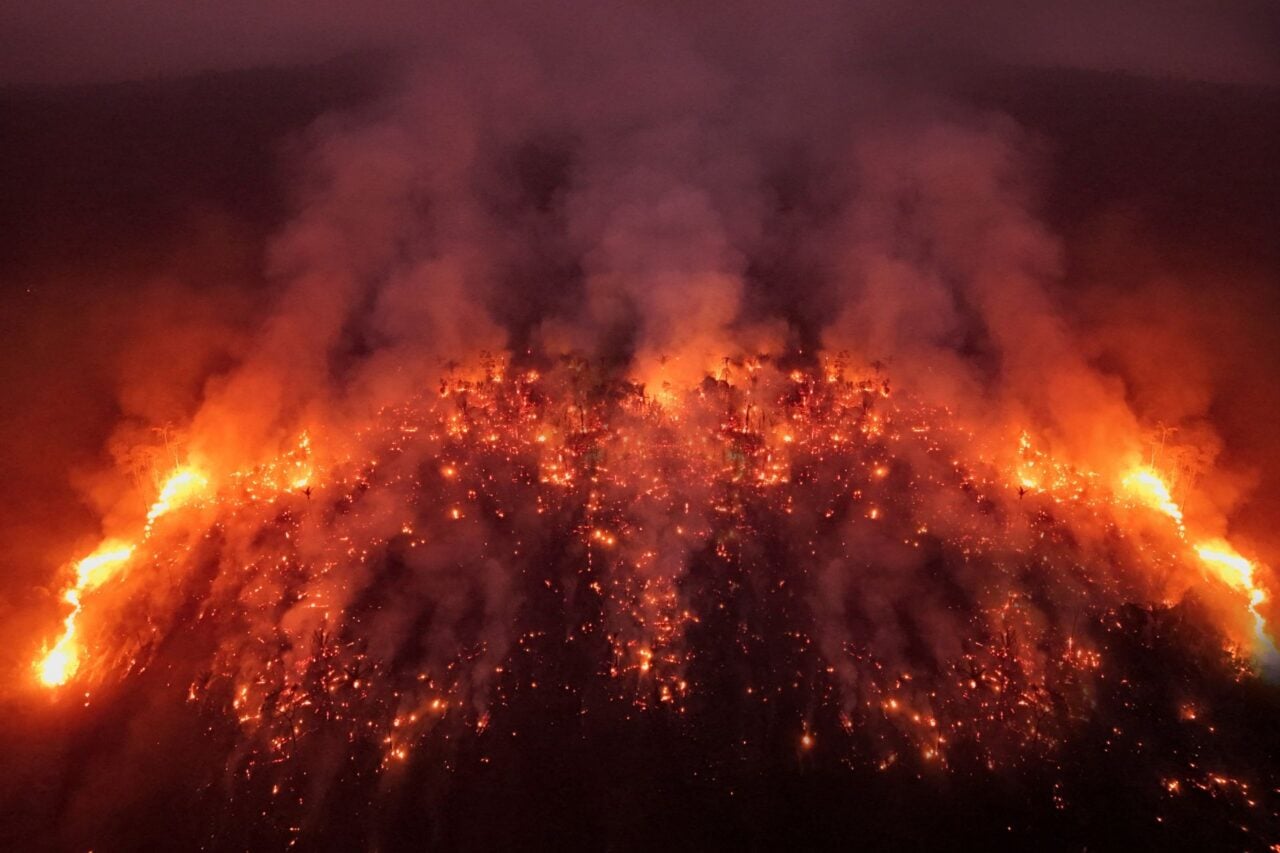
A new study reveals that warming-induced greenhouse gas emissions are amplifying global temperature rise at an alarming rate.
Platform, chip and AI decisions set the terms other companies have to build on, so a single announcement here tends to ripple through products, supply chains and regulation.
When each newsroom published on this story, oldest first — all times UTC.
Book Excerpt: Emily St. John Mandel’s ‘Exit Party’ Imagines a Future Where a Spy Could Disappear
This road map could help us decide whether to deploy solar geoengineering
Overlooked Climate Feedback Loops Could Make Global Warming 30% Worse
The original report was published by Gizmodo. WorldPing does not claim that reporting — this page summarises and contextualises it.
Read the full report at GizmodoLiving hubs that keep updating as this story develops.
WorldPingNothing may be rounding out its Headphone 1 with a "Pro" model.
Brief by WorldPing · Original reporting by Gizmodo
A San Francisco nonprofit has published a detailed road map of the experiments, studies, and infrastructure that it says would be needed to make informed decisions about the use of solar geoengineering, MIT Technology Review can reveal.
Brief by WorldPing · Original reporting by MIT Tech Review
 WorldPing
In Emily St. John Mandel’s new novel Exit Party, becoming a “ghost” means running afoul of the state. In this excerpt, a secret agent discovers it doesn’t take much.
Brief by WorldPing · Original reporting by WIRED
 WorldPing
Europe's climate monitor said Thursday that August was the hottest month ever recorded around the world and warned of worse to come, as an unprecedented El Nino pattern grows stronger.
Brief by WorldPing · Original reporting by France 24
 WorldPing
In early 2017 and 2023, California experienced two catastrophic and record-breaking floods that caused billions of dollars in damage, triggered mudslides and forced thousands of people to evacuate. Why this happened left scientists scratching their heads.
Brief by WorldPing · Original reporting by Phys.org
 WorldPing
About 66 million years ago, a dinosaur—maybe a T. rex or a Nanotyrannus—ate a bird. The record of that meal, in the form of fossilized poop, has survived to today, preserving the best example of a feather ever found from the age of dinosaurs.
Brief by WorldPing · Original reporting by Phys.org