
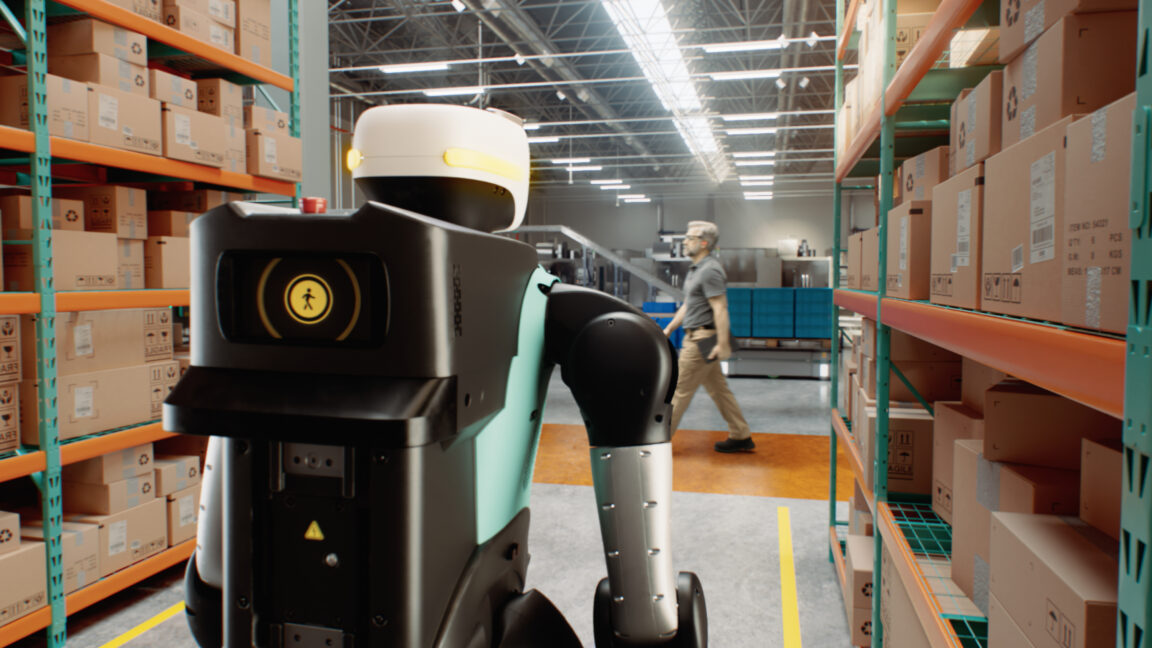
Nvidia's big bet on physical AI aims for safer robotaxis, humanoid robots

Written and edited by the WorldPing NewsdeskPublished Updated Original reporting: Ars Technica
Nvidia's big bet on physical AI aims for safer robotaxis, humanoid robotsWorldPing
Image via Ars Technica.

What happened

Full-stack safety solution for physical AI is being used by robotics companies.

Key facts

  • Reported by Ars Technica and published Thu, 08 Oct 2026 11:15:33 UTC.

Why it matters

Platform, chip and AI decisions set the terms other companies have to build on, so a single announcement here tends to ripple through products, supply chains and regulation.

What to watch next

  • Availability, pricing and rollout regions
  • Independent testing or verification of the claims made
  • Responses from regulators and competing platforms

Coverage timeline

When each newsroom published on this story, oldest first — all times UTC.

  1. Building a safer path to autonomous industrial AI

  2. Nvidia's big bet on physical AI aims for safer robotaxis, humanoid robots

  3. The Download: AI roadblocks for humanoids and portable rubber dams

Sources

The original report was published by Ars Technica. WorldPing does not claim that reporting — this page summarises and contextualises it.

Read the full report at Ars Technica

Follow the story

Living hubs that keep updating as this story develops.

Related WorldPing coverage

The Download: AI roadblocks for humanoids and portable rubber damsWorldPing
MIT Tech Review

The Download: AI roadblocks for humanoids and portable rubber dams

This is today’s edition of The Download, our weekday newsletter that provides a daily dose of what’s going on in the world of technology. AI breakthroughs in robotics won’t change your life any time soon The hype around humanoid robots is reaching fever pitch.

Brief by WorldPing · Original reporting by MIT Tech Review

MIT Tech Review
WorldPing
MIT Tech Review

Building a safer path to autonomous industrial AI

Industrial AI is entering a new phase. After decades of predictive analytics and other specialized applications, advances in foundation models, physical AI, and agentic AI are making it possible to automate more complex tasks across industrial environments.

Brief by WorldPing · Original reporting by MIT Tech Review