 WorldPing
 WorldPing
Gizmodo
Scientists Grew More Human Brain Tissue in a Mouse Than Ever Before—and People Have Questions
The human brain organoids were able to form functional neural networks.
Brief by WorldPing · Original reporting by Gizmodo
 WorldPing
Noted Brain Genius Tyler Winklevoss Thinks Isaac Asimov Already Solved the AI Apocalypse — full report at Gizmodo.
Platform, chip and AI decisions set the terms other companies have to build on, so a single announcement here tends to ripple through products, supply chains and regulation.
When each newsroom published on this story, oldest first — all times UTC.
Noted Brain Genius Tyler Winklevoss Thinks Isaac Asimov Already Solved the AI Apocalypse
Scientists Grew More Human Brain Tissue in a Mouse Than Ever Before—and People Have Questions
The original report was published by Gizmodo. WorldPing does not claim that reporting — this page summarises and contextualises it.
Read the full report at GizmodoLiving hubs that keep updating as this story develops.
WorldPingThe human brain organoids were able to form functional neural networks.
Brief by WorldPing · Original reporting by Gizmodo
Multiple cameras tracked a mouse as it wandered around a small arena. A computer charted its position and speed, leaving Pong-like traces on a monitor. The reason to watch this rodent so carefully?
Brief by WorldPing · Original reporting by MIT Tech Review
 WorldPing
US student Linus Chen-Plotkin has analysed music by four canonical composers looking for patterns.
Brief by WorldPing · Original reporting by The Guardian
 WorldPing
Mice with half a brain experienced significant improvements in their cognition and movement when they received brain organoids made from human stem cells…
Brief by WorldPing · Original reporting by New Scientist
 WorldPing
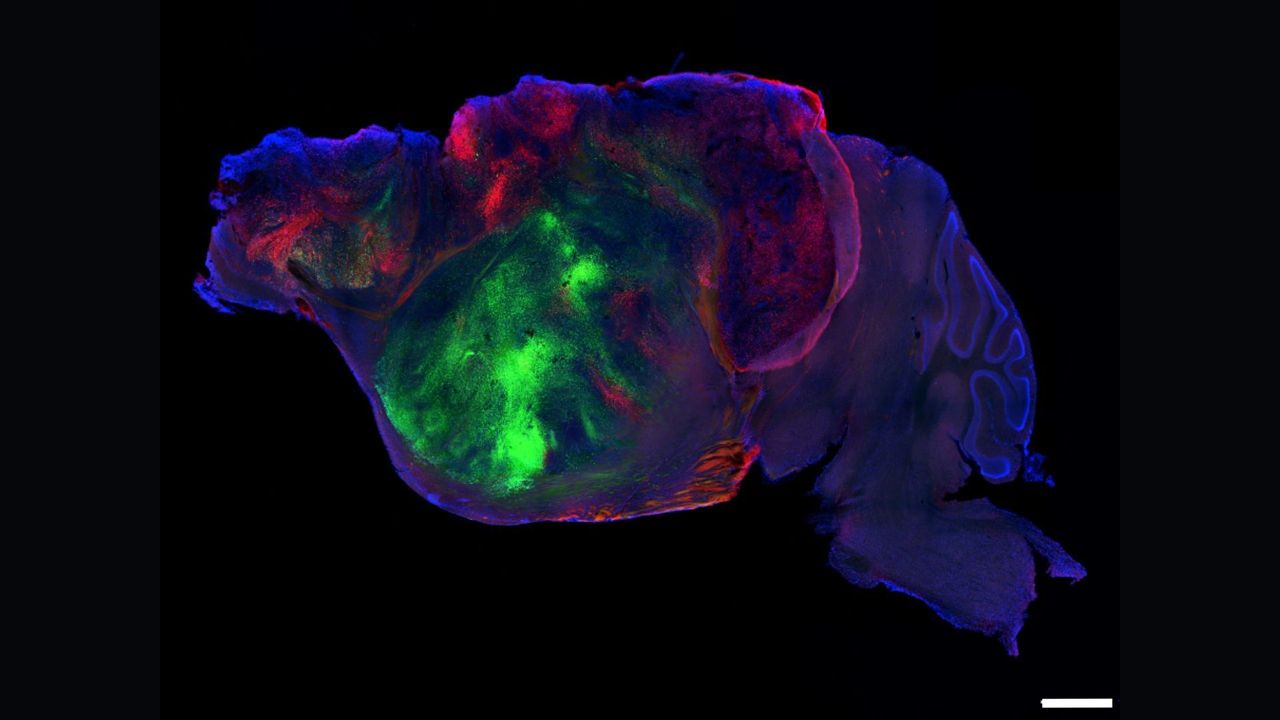
Neuroscientists have made a major advance in modeling the human brain in mice, offering a new way to study conditions like cerebral palsy. Ethicists ask if it changes how these mice should be treated.
Brief by WorldPing · Original reporting by NPR Top
 WorldPing
Scientists have devised a new way to incorporate human brain tissue into living mice, opening the door to new research.
Brief by WorldPing · Original reporting by Live Science