 WorldPing
 WorldPing
Ars Technica
Feds get ready to rewrite car headlight rules
Reducing glare and allowing modern light technologies will be two goals.
Brief by WorldPing · Original reporting by Ars Technica
 WorldPing
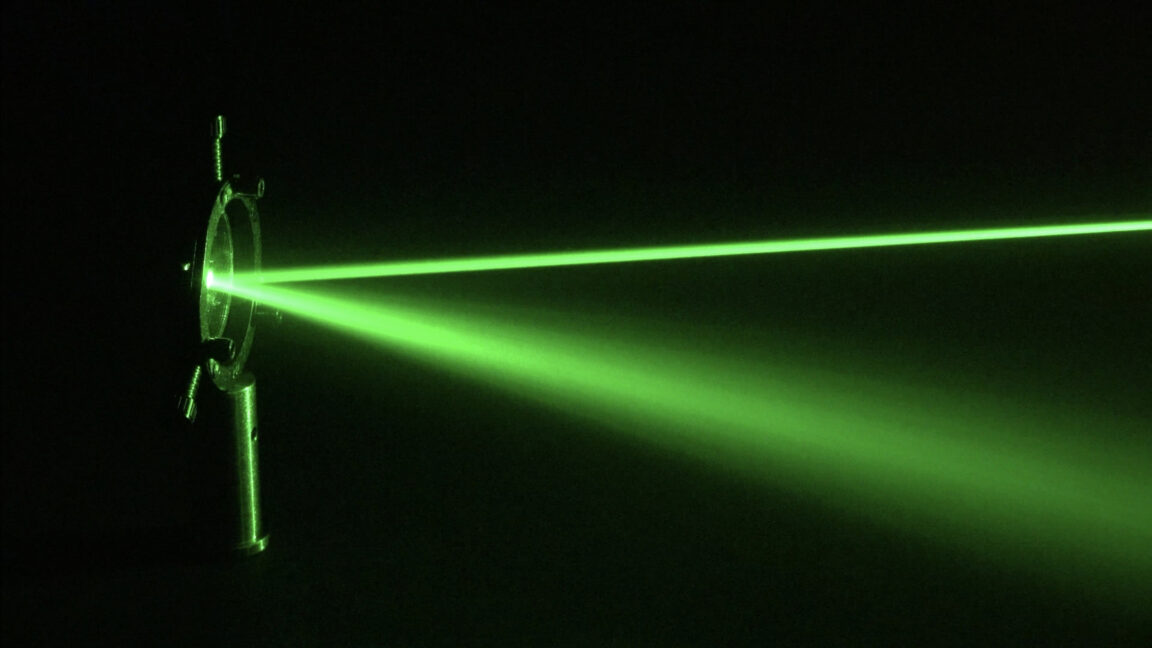
Getting a glass bead to act like a quantum object by entangling it with light.
Platform, chip and AI decisions set the terms other companies have to build on, so a single announcement here tends to ripple through products, supply chains and regulation.
When each newsroom published on this story, oldest first — all times UTC.
An experimental tour-de-force: Entanglement between glass bead and light
The original report was published by Ars Technica. WorldPing does not claim that reporting — this page summarises and contextualises it.
Read the full report at Ars TechnicaWorldPingReducing glare and allowing modern light technologies will be two goals.
Brief by WorldPing · Original reporting by Ars Technica
 WorldPing
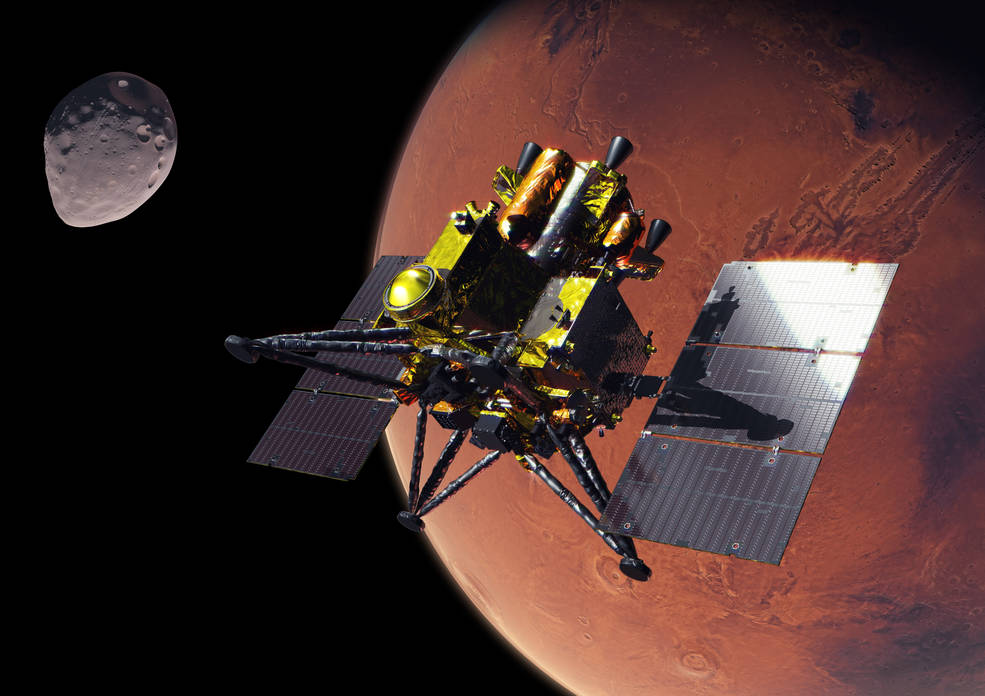
Media are invited to join NASA for a media teleconference at 4 p.m. EDT, Thursday, Oct. 15, to preview the agency’s contributions to JAXA’s (Japan Aerospace Exploration Agency) Martian Moons eXploration (MMX) mission.
Brief by WorldPing · Original reporting by NASA
 WorldPing
Quantum technologies are considered key technologies of the future. However, research in this field requires not only scientific expertise but sometimes also highly specialized laboratory conditions.
Brief by WorldPing · Original reporting by Phys.org
 WorldPing
From spiders spinning their webs to the manufacturing of textiles, the formation of fibers from liquids plays an important role in both nature and industry. Yet accurately predicting the properties of such fibers remains a challenge.
Brief by WorldPing · Original reporting by Phys.org
 WorldPing
Light sheet microscopy allows biologists to selectively light up a thin slice of a sample. This method can improve image contrast by reducing background light while remaining gentle on the sample, reducing photodamage and photobleaching.
Brief by WorldPing · Original reporting by Phys.org
 WorldPing
Bitcoin Magazine WhiteBIT Integrates Lightning Network for Fast and Cheap Bitcoin Transactions The Swiss crypto exchange has onboarded the Lightning Network to help people withdraw and deposit bitcoin with ease.
Brief by WorldPing · Original reporting by Bitcoin Magazine