 WorldPing
 WorldPing
Ars Technica
"Offensively cheap": Solar power is looking up
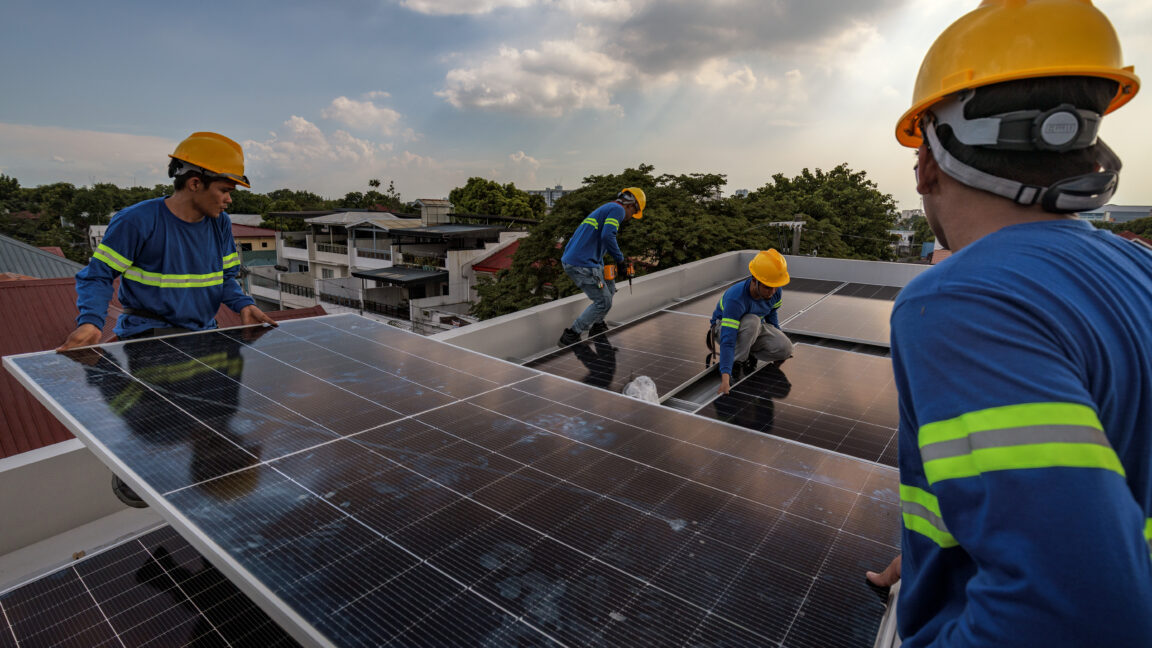
Chinese-made panels on rooftops across the world are changing the facts of life for big utilities.
Brief by WorldPing · Original reporting by Ars Technica
 WorldPing
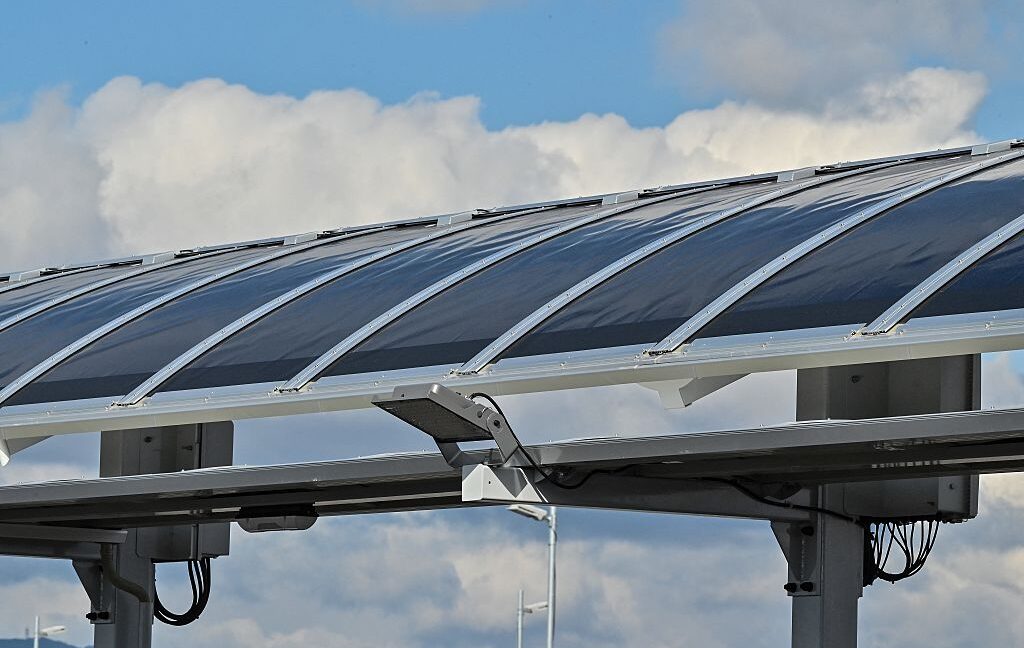
The trick isn't using perovskites—the trick is making them last.
Platform, chip and AI decisions set the terms other companies have to build on, so a single announcement here tends to ripple through products, supply chains and regulation.
When each newsroom published on this story, oldest first — all times UTC.
A new solar cell could generate electricity underwater
The original report was published by Ars Technica. WorldPing does not claim that reporting — this page summarises and contextualises it.
Read the full report at Ars TechnicaWorldPingChinese-made panels on rooftops across the world are changing the facts of life for big utilities.
Brief by WorldPing · Original reporting by Ars Technica
India to provide Nepal with 654 megawatts of electricity daily to meet urgent needs after devastating glacial floods.
Brief by WorldPing · Original reporting by Al Jazeera
 WorldPing
OpenAI's tactics in California hint at how the company plans to try to shape a raft of future state-level laws in the face of a growing public backlash against AI technology.
Brief by WorldPing · Original reporting by Fortune
 WorldPing
The pressure to be perfect may intensify for kids once they get into high school—especially for those labeled as "gifted," according to a new University of Georgia study published in Gifted Child Quarterly.
Brief by WorldPing · Original reporting by Phys.org
 WorldPing
In a study recently published in the Chemical Engineering Journal, a research team from National Taiwan University and international collaborators have developed a straightforward solvent-mixing strategy to significantly boost the performance of next…
Brief by WorldPing · Original reporting by Phys.org
 WorldPing
In May 2024, Earth experienced its most intense geomagnetic storm since the Halloween storms of 2003.
Brief by WorldPing · Original reporting by Phys.org