Study explores why Indigenous communities may accept oil extraction despite its harms

Written and edited by the WorldPing NewsdeskPublished Updated Original reporting: Phys.org
Study explores why Indigenous communities may accept oil extraction despite its harmsWorldPing
Image via Phys.org.

What happened

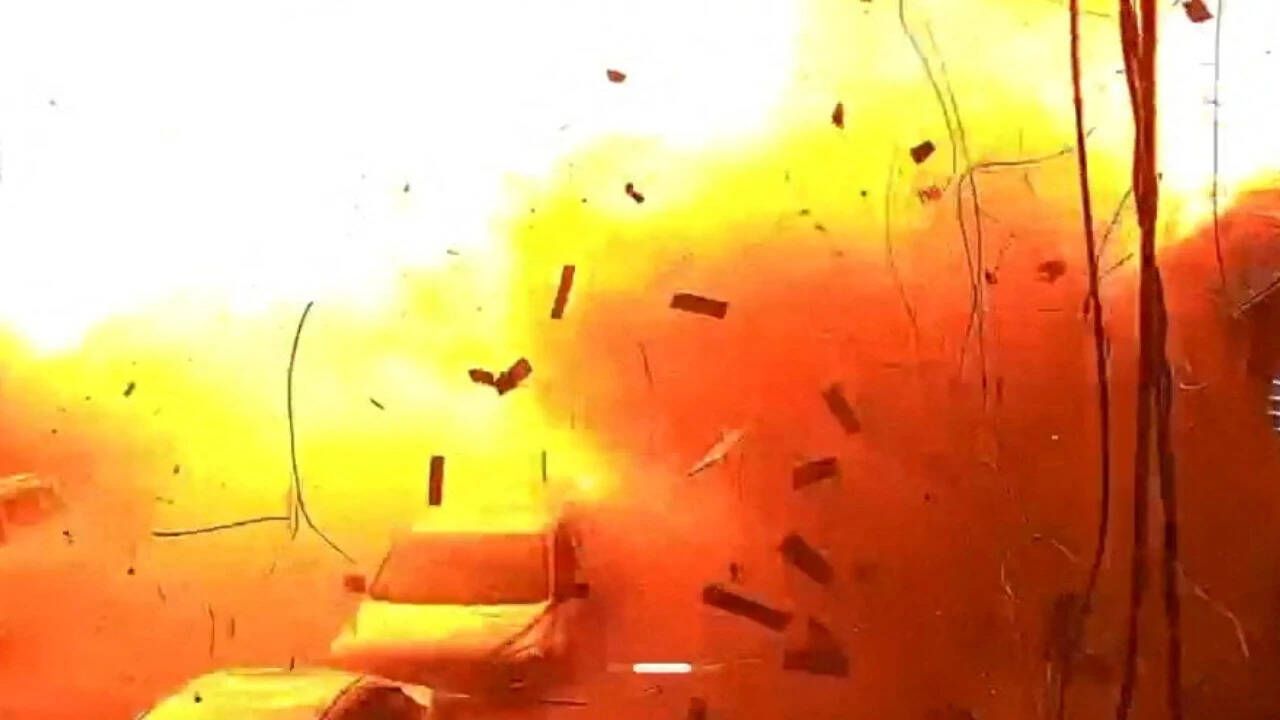
The uneven distribution of oil extraction's impacts and benefits helps explain why some Indigenous communities accept it, newly published research shows.

Key facts

  • Reported by Phys.org and published Mon, 12 Oct 2026 11:40:13 UTC.

Why it matters

Research findings and mission results set the evidence base that policy, funding and later discoveries build on.

What to watch next

  • Peer review status and replication of the findings
  • Mission milestones and next scheduled attempt
  • Funding or policy decisions that follow

Coverage timeline

When each newsroom published on this story, oldest first — all times UTC.

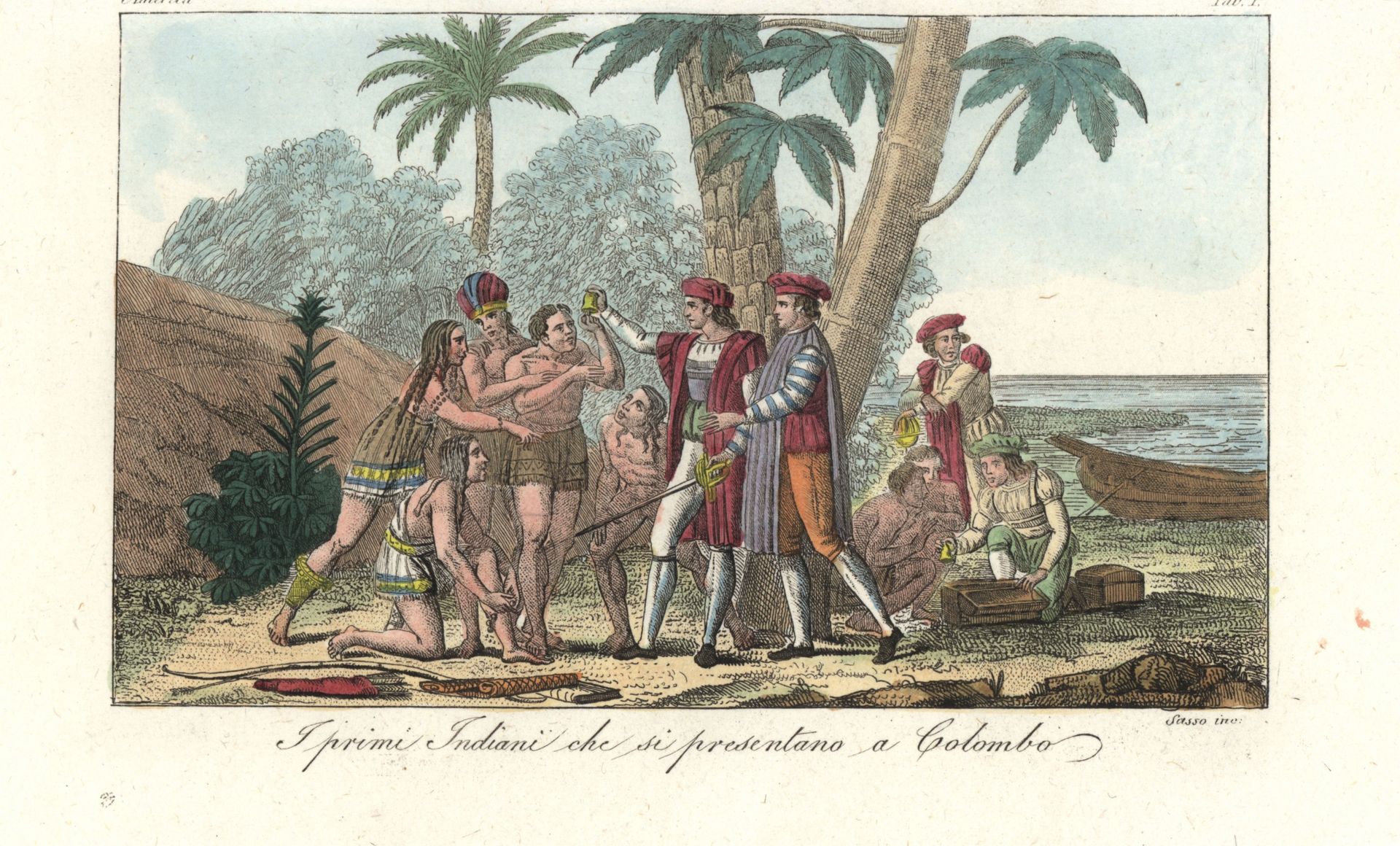
  1. 'It could have been a very different history': Researchers are finally starting to pin down how many Indigenous people were living in the Americas when Columbus arrived

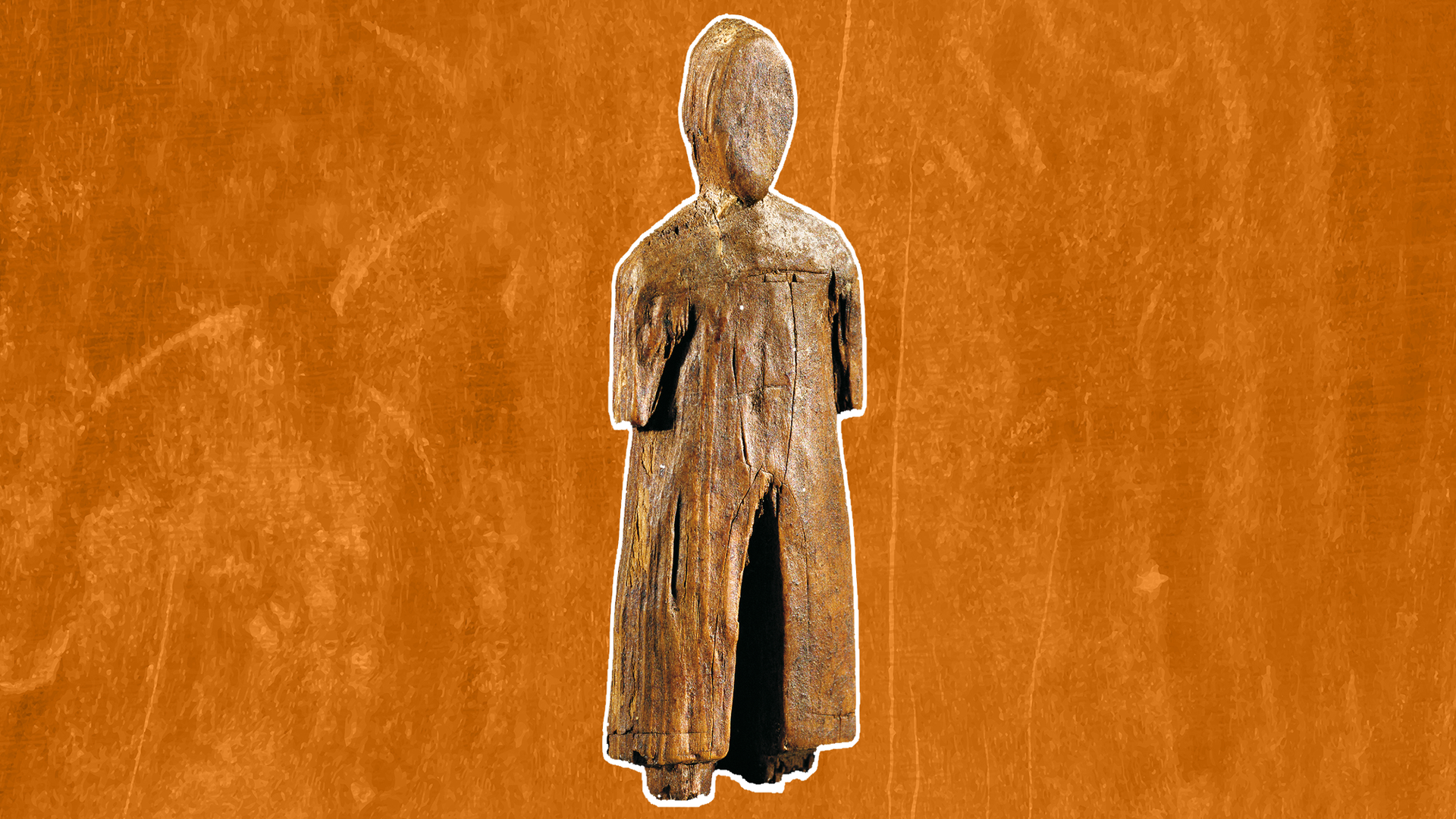
  2. Inuit figurine: A 700-year-old Indigenous carving of a European made a century before Columbus

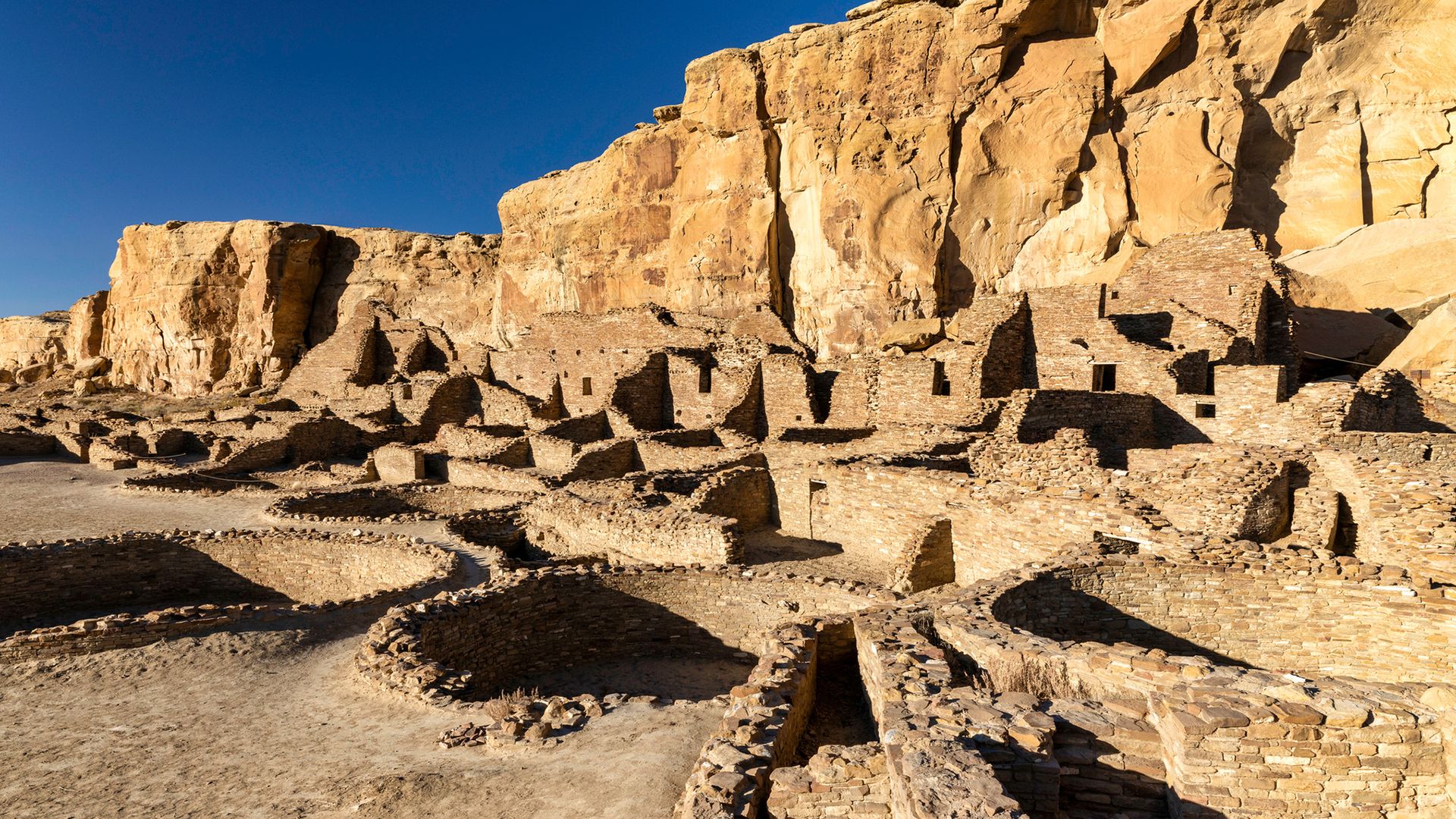
  3. 7 extraordinary Indigenous sites in the US, from Chaco Canyon to Chimney Rock

  4. Study explores why Indigenous communities may accept oil extraction despite its harms

Sources

The original report was published by Phys.org. WorldPing does not claim that reporting — this page summarises and contextualises it.

Read the full report at Phys.org

Related WorldPing coverage