
A meteor hit Oklahoma 100 million years later than scientists thought
A meteor crater buried beneath Oklahoma has turned out to be nearly 100 million years younger than scientists thought.
Brief by WorldPing · Original reporting by ScienceDaily
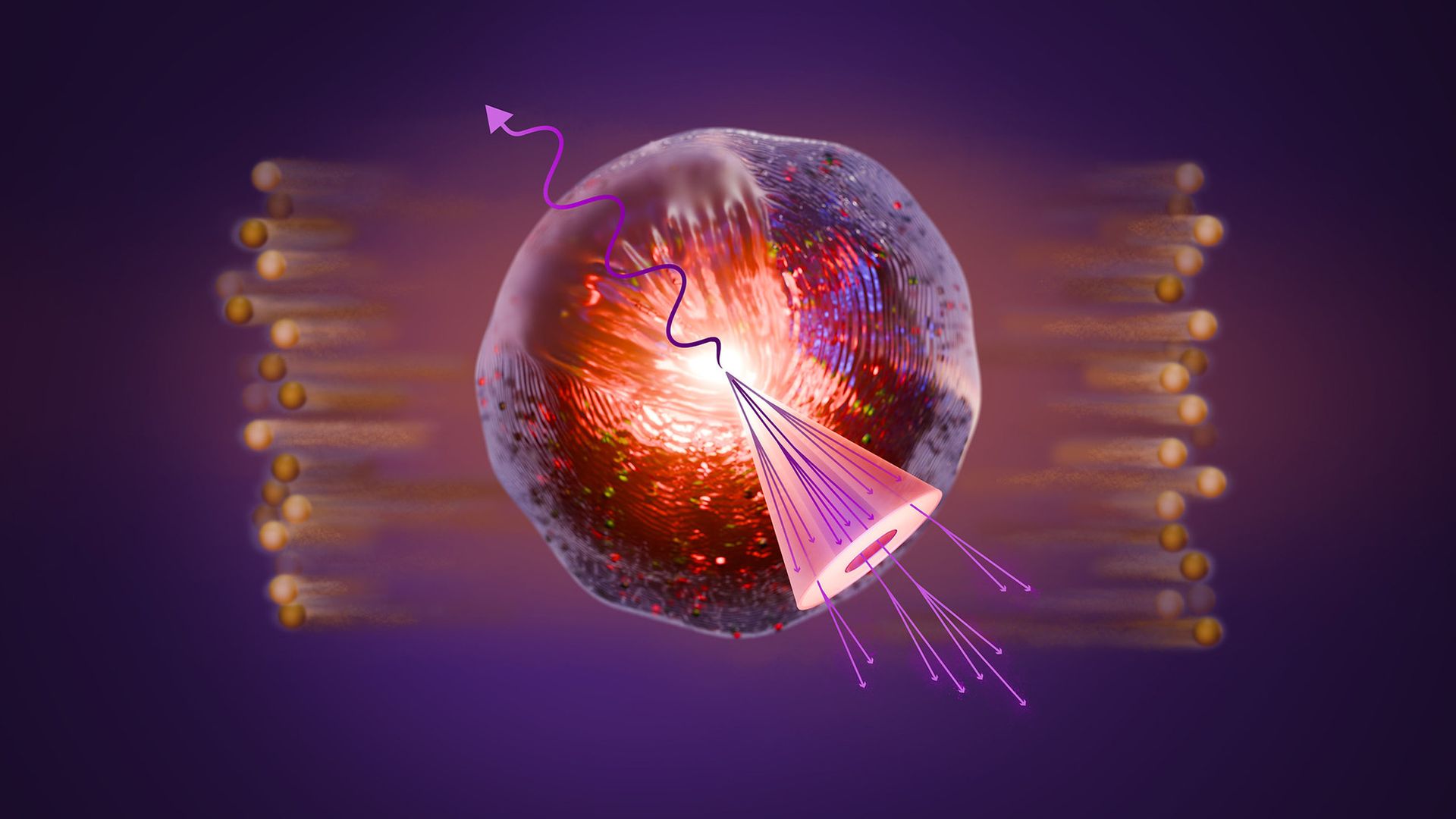
WorldPingA particle collider experiment just revealed something unexpected about how the fiery soup of particles that filled the universe after the Big Bang coalesced into the protons and neutrons that make up matter today.
Research findings and mission results set the evidence base that policy, funding and later discoveries build on.
When each newsroom published on this story, oldest first — all times UTC.
Powerful simulations reveal how the first stars changed the universe
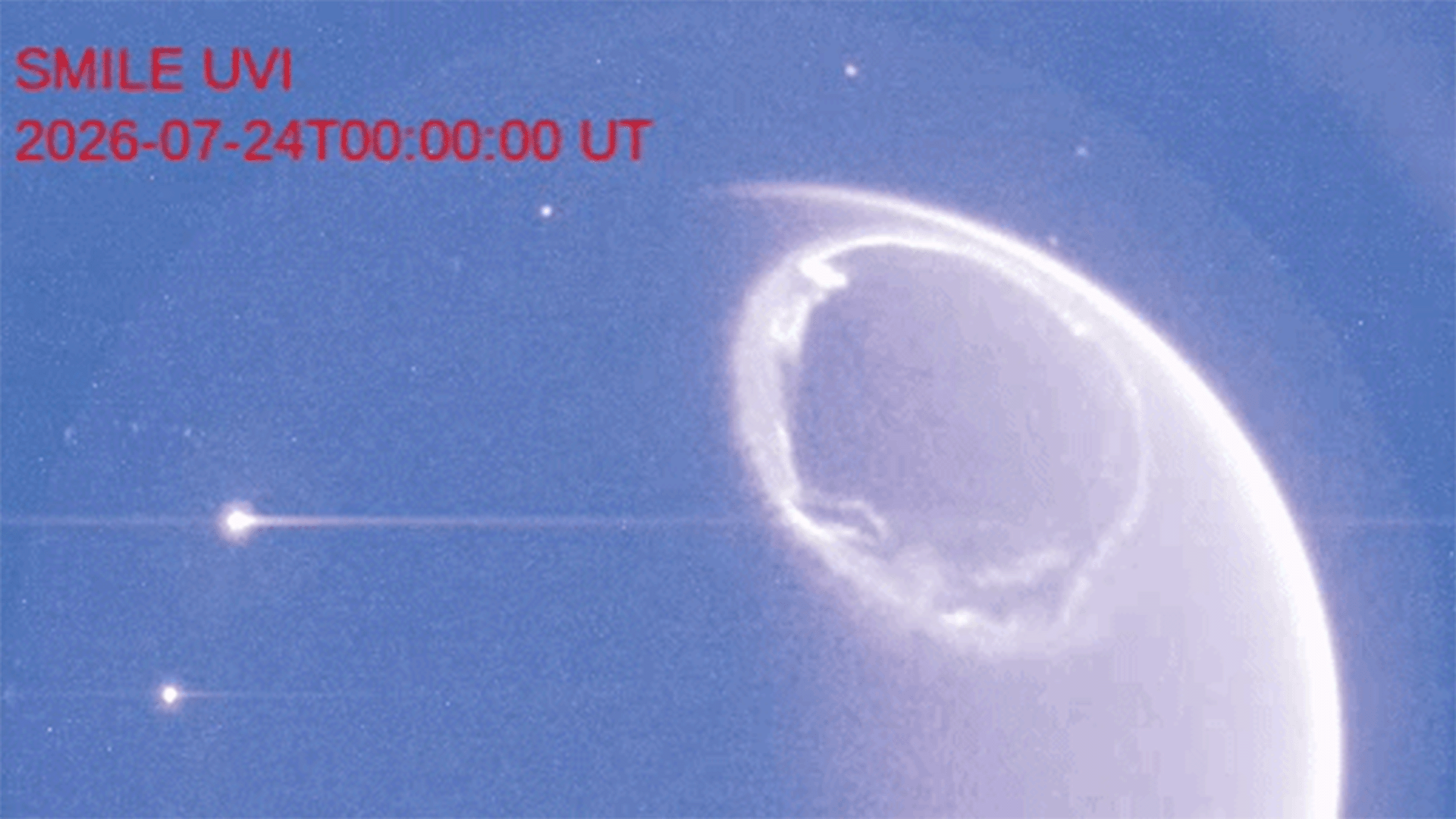
First photos from Smile spacecraft show Earth like you've never seen it before
Scientists recreate the universe's first moments and find something they didn't expect
Scientists find a surprising clue to why the universe’s expansion doesn’t add up
A meteor hit Oklahoma 100 million years later than scientists thought
The original report was published by Live Science. WorldPing does not claim that reporting — this page summarises and contextualises it.
Read the full report at Live ScienceA meteor crater buried beneath Oklahoma has turned out to be nearly 100 million years younger than scientists thought.
Brief by WorldPing · Original reporting by ScienceDaily
Tiny magnetic fields created shortly after the Big Bang may help explain the long-running disagreement over how fast the universe is expanding.
Brief by WorldPing · Original reporting by ScienceDaily
A new light-activated material can efficiently produce hydrogen from water without requiring an additional expensive metal catalyst.
Brief by WorldPing · Original reporting by ScienceDaily
WorldPingThe joint European-Chinese Smile satellite officially began its science operations this week, sharing a ghostly image of Earth's sunlit North Pole ringed by giant auroras.
Brief by WorldPing · Original reporting by Live Science
Ultra-detailed simulations are showing how the first stars lit up the dark Universe and seeded space with elements such as carbon, oxygen, and iron.
Brief by WorldPing · Original reporting by ScienceDaily
WorldPingThe Lost Woods of the Low Weald and Downs project aims to restore some of Sussex's ancient woodland.
Brief by WorldPing · Original reporting by BBC Science