High Alert

James Webb telescope pinpoints the most distant 'fast radio burst' ever seen

Written and edited by the WorldPing NewsdeskPublished Updated Original reporting: Live Science
James Webb telescope pinpoints the most distant 'fast radio burst' ever seenWorldPing
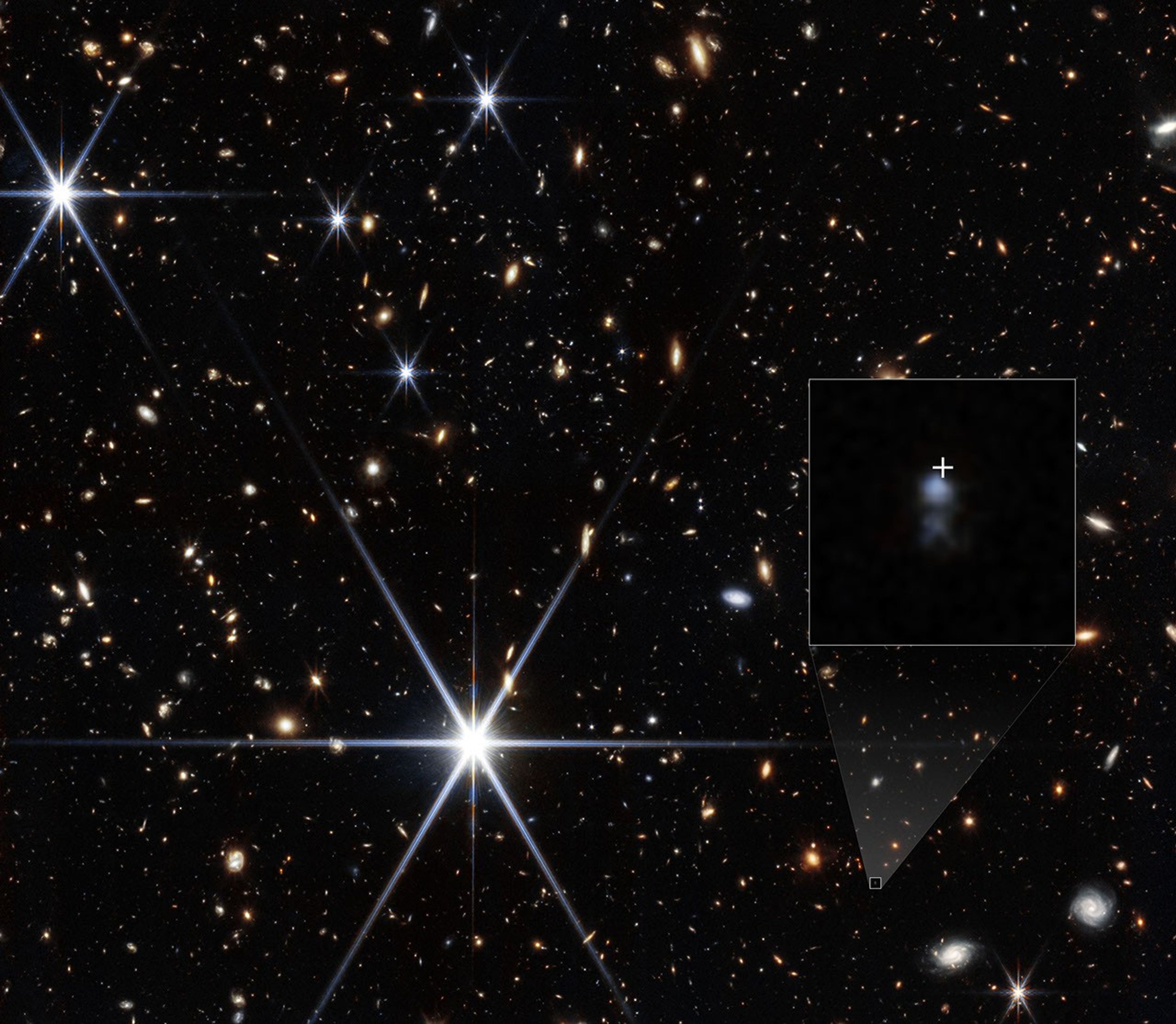
Image via Live Science.

What happened

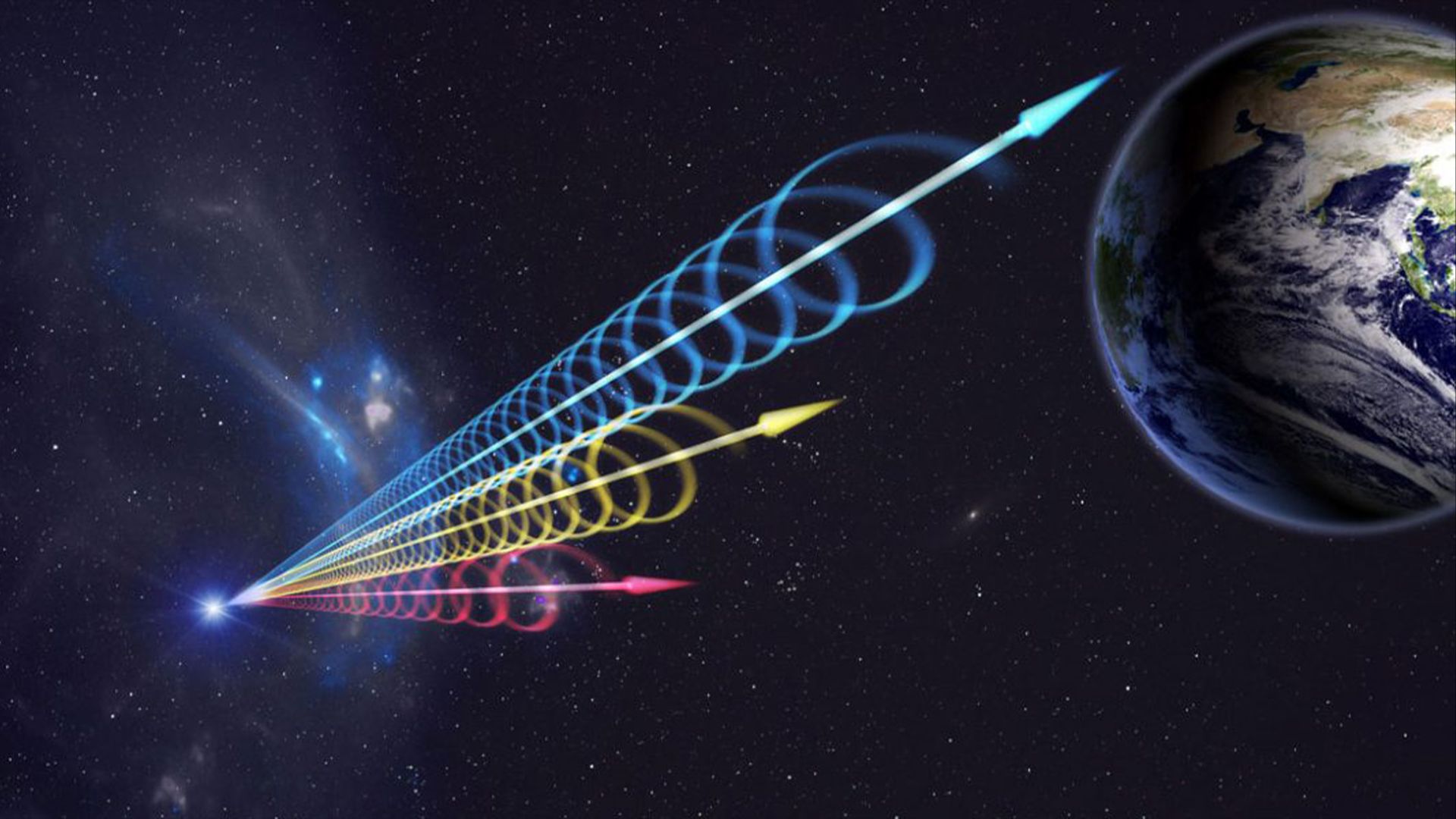
The James Webb Space Telescope has detected the farthest "fast radio burst" ever seen, providing more clues about these mysterious explosions.

Key facts

  • Reported by Live Science and published Thu, 08 Oct 2026 18:00:00 UTC.

Why it matters

Research findings and mission results set the evidence base that policy, funding and later discoveries build on.

What to watch next

  • Peer review status and replication of the findings
  • Mission milestones and next scheduled attempt
  • Funding or policy decisions that follow

Coverage timeline

When each newsroom published on this story, oldest first — all times UTC.

  1. NASA Advances LISA Mission Contributions With New Test Telescope

  2. James Webb telescope pinpoints the most distant 'fast radio burst' ever seen

  3. Webb Measures Distance to Farthest Fast Radio Burst, Suggesting Origin

  4. Astronomers pinpoint the most distant fast radio burst ever detected

  5. NASA’s SPHEREx Telescope Sees Menagerie of Brown Dwarfs

Sources

The original report was published by Live Science. WorldPing does not claim that reporting — this page summarises and contextualises it.

Read the full report at Live Science

Related WorldPing coverage

Astronomers pinpoint the most distant fast radio burst ever detectedWorldPing
Phys.org

Astronomers pinpoint the most distant fast radio burst ever detected

Astronomers have detected and traced the most distant fast radio burst ever recorded, a powerful flash of radio waves that traveled for more than 10 billion years across the cosmos before reaching Earth.

Brief by WorldPing · Original reporting by Phys.org
NASA’s SPHEREx Telescope Sees Menagerie of Brown DwarfsWorldPing
NASA

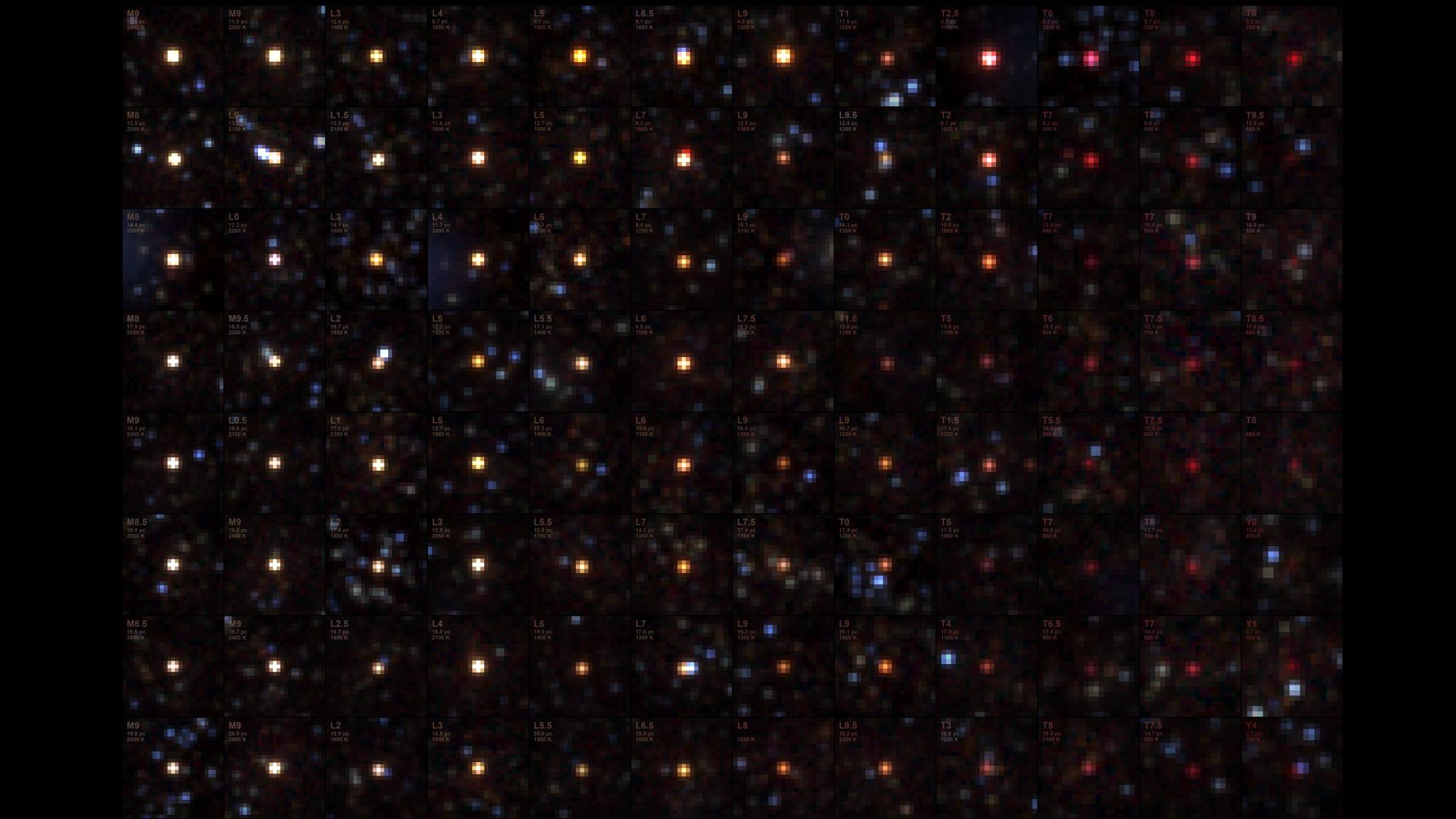
NASA’s SPHEREx Telescope Sees Menagerie of Brown Dwarfs

NASA’s SPHEREx (Spectro-Photometer for the History of the Universe, Epoch of Reionization, and Ices Explorer) space telescope is shedding light on brown dwarfs, celestial objects that blur the line between stars and exoplanets.

Brief by WorldPing · Original reporting by NASA

NASA Advances LISA Mission Contributions With New Test TelescopeWorldPing
NASA

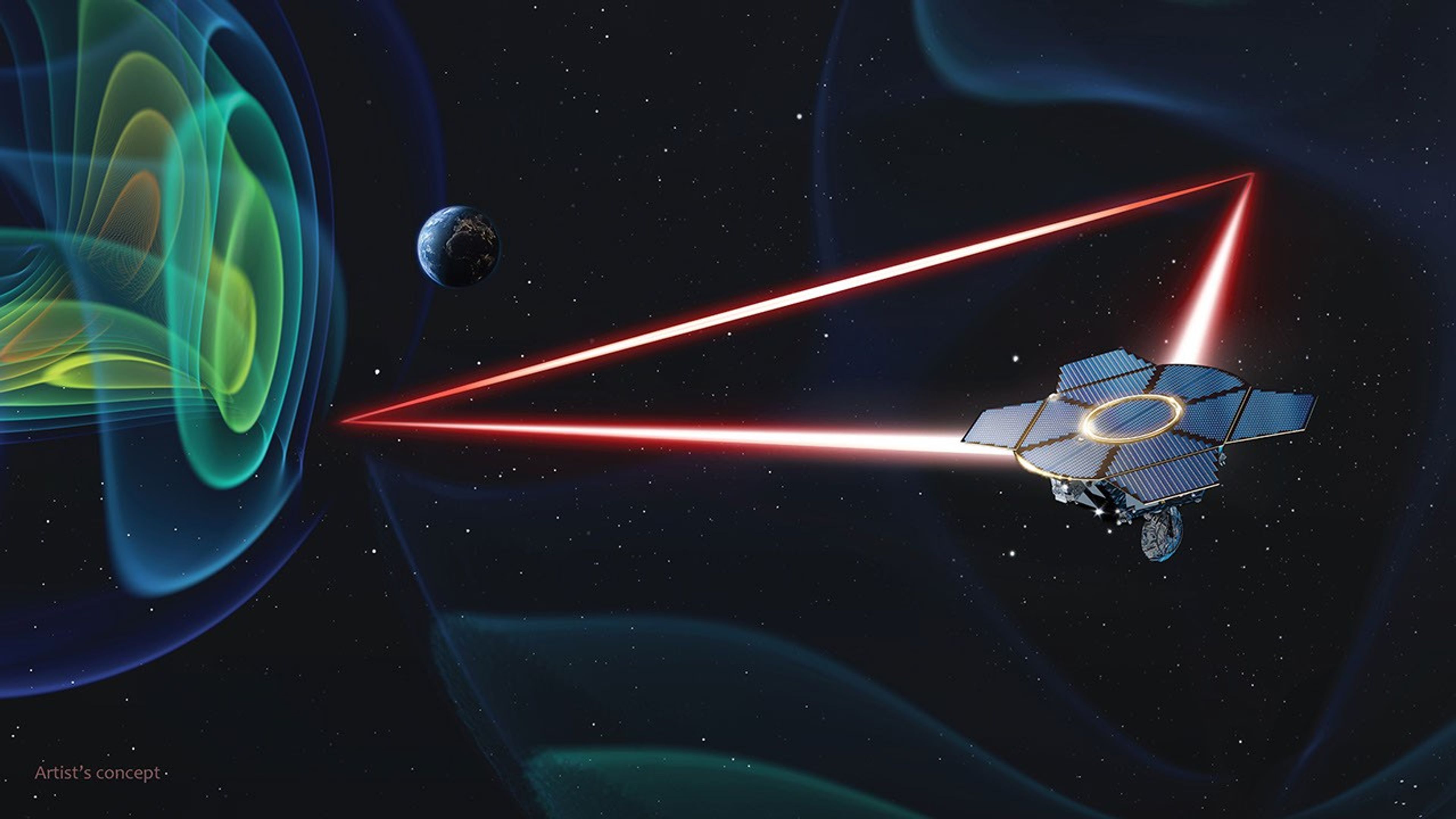
NASA Advances LISA Mission Contributions With New Test Telescope

NASA has taken the next step in the process of developing a new all-glass telescope for the LISA (Laser Interferometer Space Antenna) mission, a space observatory designed to detect ripples in space-time called gravitational waves.

Brief by WorldPing · Original reporting by NASA

Astronomers detect mysterious burst of energy from a galaxy far, far awayWorldPing
The Guardian

Astronomers detect mysterious burst of energy from a galaxy far, far away

Intense flash of radio waves is more than 10bn years old and has travelled through ‘approximately 80% of cosmic history’ A long time ago in a galaxy far, far away, a mysterious flash of energy was released into the universe.

Brief by WorldPing · Original reporting by The Guardian