'It is extremely rare to witness': Scientists record humpback whale mom grieving her stillborn calf in first-of-its-kind footage

Written and edited by the WorldPing NewsdeskPublished Updated Original reporting: Live Science
'It is extremely rare to witness': Scientists record humpback whale mom grieving her stillborn calf in first-of-its-kind footageWorldPing
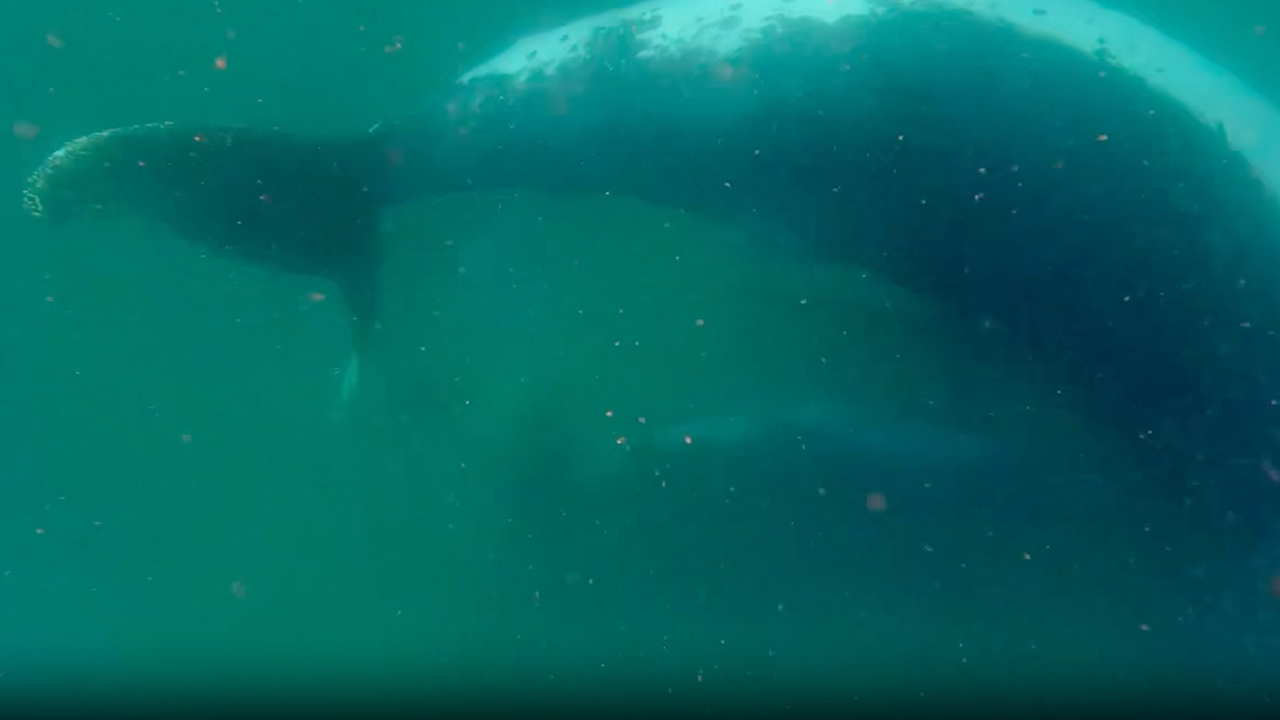
Image via Live Science.

What happened

Researchers in Australia captured footage of a female humpback whale repeatedly diving to make eye contact with her stillborn calf and lay next to its body on the seafloor.

Key facts

  • Reported by Live Science and published Wed, 16 Sep 2026 14:44:47 UTC.

Why it matters

Research findings and mission results set the evidence base that policy, funding and later discoveries build on.

What to watch next

  • Peer review status and replication of the findings
  • Mission milestones and next scheduled attempt
  • Funding or policy decisions that follow

Coverage timeline

When each newsroom published on this story, oldest first — all times UTC.

  1. Scientists recreated what mice saw from brain activity alone

  2. Humpback whale mother with stillborn calf shows ‘grief-like’ behaviour

  3. Scientists find an immune “false alarm” that may drive rapid aging

  4. Newfound ‘Baby’ Planet Smashes Record for Youngest Known World

  5. 'It is extremely rare to witness': Scientists record humpback whale mom grieving her stillborn calf in first-of-its-kind footage

  6. Scientists turn seawater into fresh water without harmful brine

  7. Scientists shrank mice's brains and replaced the missing tissue with human 'organoids'

Sources

The original report was published by Live Science. WorldPing does not claim that reporting — this page summarises and contextualises it.

Read the full report at Live Science

Related WorldPing coverage

ScienceDaily
WorldPing
ScienceDaily

Scientists turn seawater into fresh water without harmful brine

Scientists have developed a solar-powered desalination system that turns seawater into fresh water while removing nearly all of the leftover salt as a solid instead of producing harmful brine.

Brief by WorldPing · Original reporting by ScienceDaily

Newfound ‘Baby’ Planet Smashes Record for Youngest Known WorldWorldPing
NASA

Newfound ‘Baby’ Planet Smashes Record for Youngest Known World

Astronomers have confirmed a world that’s less than a million years old as the youngest known planet, using data from NASA-funded archives. Called Elias 2-24 b, the baby planet is still whirling in its natal disk of dust and gas.

Brief by WorldPing · Original reporting by NASA