
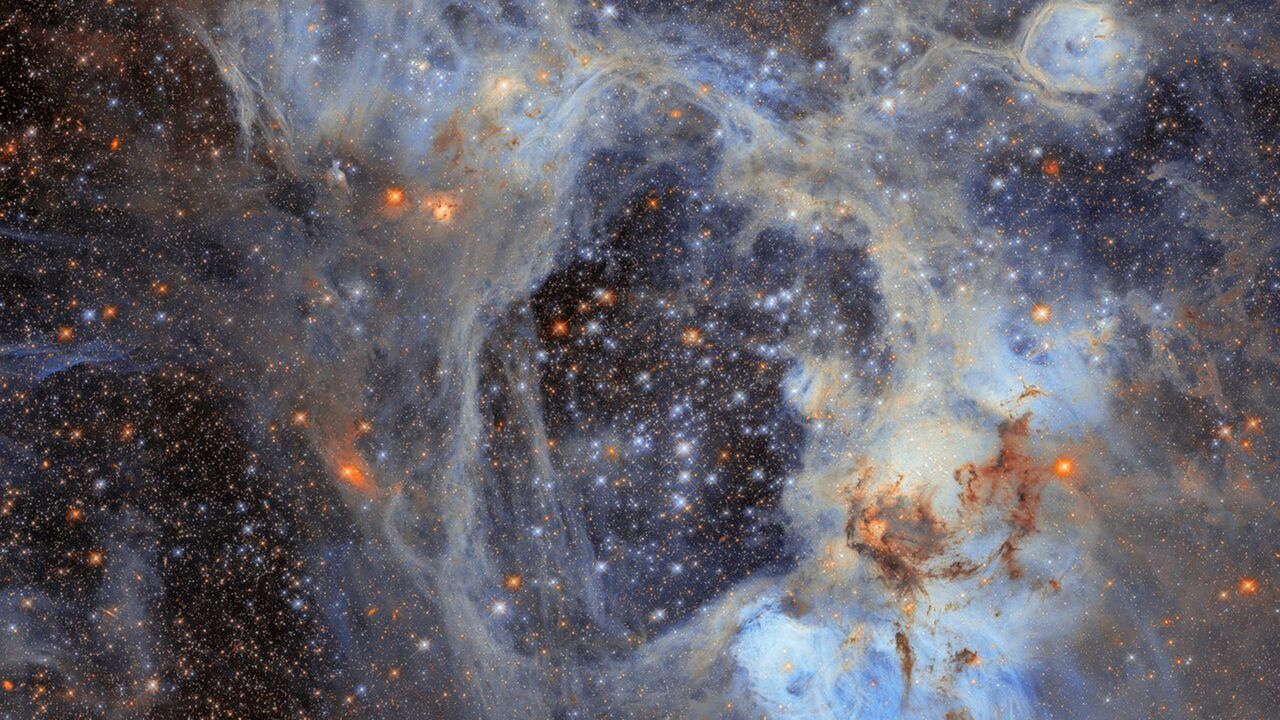
Haunting Hubble telescope image captures cosmic cycle of destruction and creation —‬ Space photo of the week

Written and edited by the WorldPing NewsdeskPublished Updated Original reporting: Live Science
Haunting Hubble telescope image captures cosmic cycle of destruction and creation —‬ Space photo of the weekWorldPing
Image via Live Science.

What happened

A spectacular new Hubble Space Telescope image reveals almost 30,000 newborn stars around an enormous cavity carved into a stellar nursery in a neighboring galaxy.

Key facts

  • A spectacular new Hubble Space Telescope image reveals almost 30,000 newborn stars around an enormous cavity carved into a stellar nursery in a neighboring galaxy.
  • Reported by Live Science and published Sun, 13 Sep 2026 10:00:00 UTC.

Why it matters

Research findings and mission results set the evidence base that policy, funding and later discoveries build on.

What to watch next

  • Peer review status and replication of the findings
  • Mission milestones and next scheduled attempt
  • Funding or policy decisions that follow

Coverage timeline

When each newsroom published on this story, oldest first — all times UTC.

  1. Haunting Hubble telescope image captures cosmic cycle of destruction and creation —‬ Space photo of the week

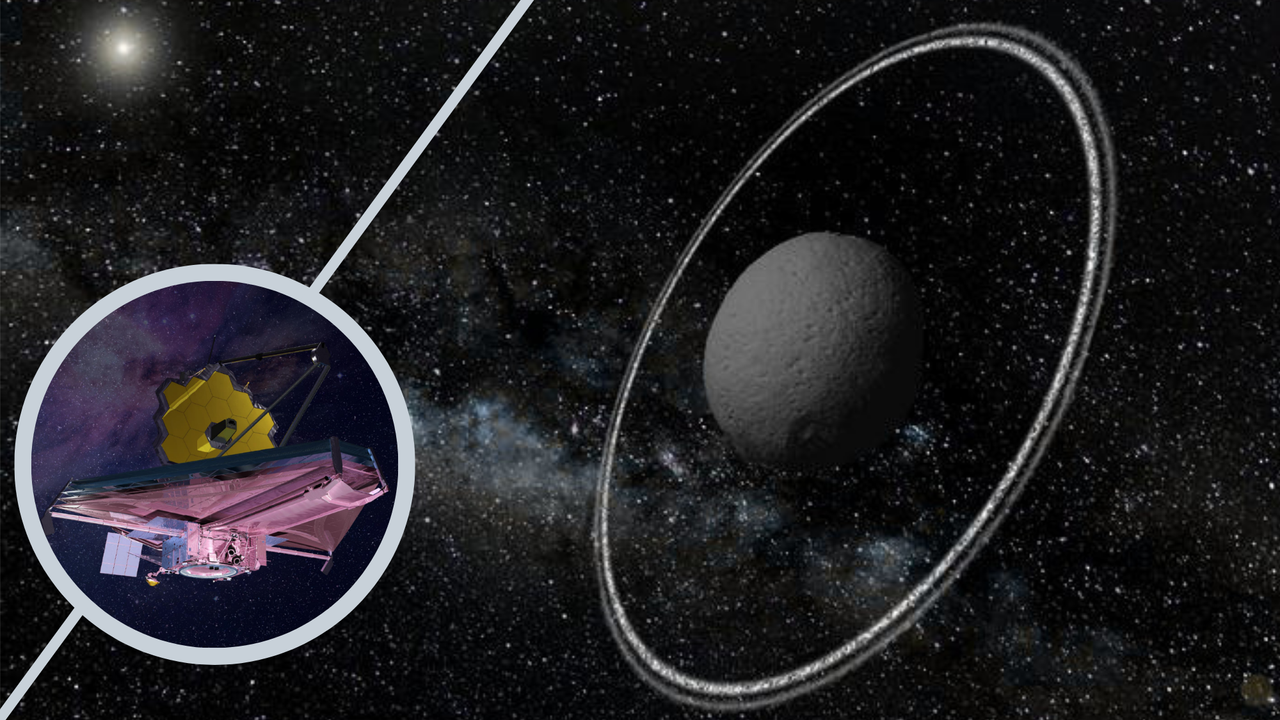
  2. James Webb Space Telescope discovers the rings of tiny solar system body Chariklo are changing

  3. Cataract surgery will be needed in space, surgeon predicts

Sources

The original report was published by Live Science. WorldPing does not claim that reporting — this page summarises and contextualises it.

Read the full report at Live Science

Related WorldPing coverage

Cataract surgery will be needed in space, surgeon predictsWorldPing
Phys.org

Cataract surgery will be needed in space, surgeon predicts

An eye surgeon with a passion for space since childhood predicts that as astronauts start to make journeys to the moon and Mars in the near future, eye surgery in space will eventually become a necessity.

Brief by WorldPing · Original reporting by Phys.org
