 WorldPing
 WorldPing
Sky News
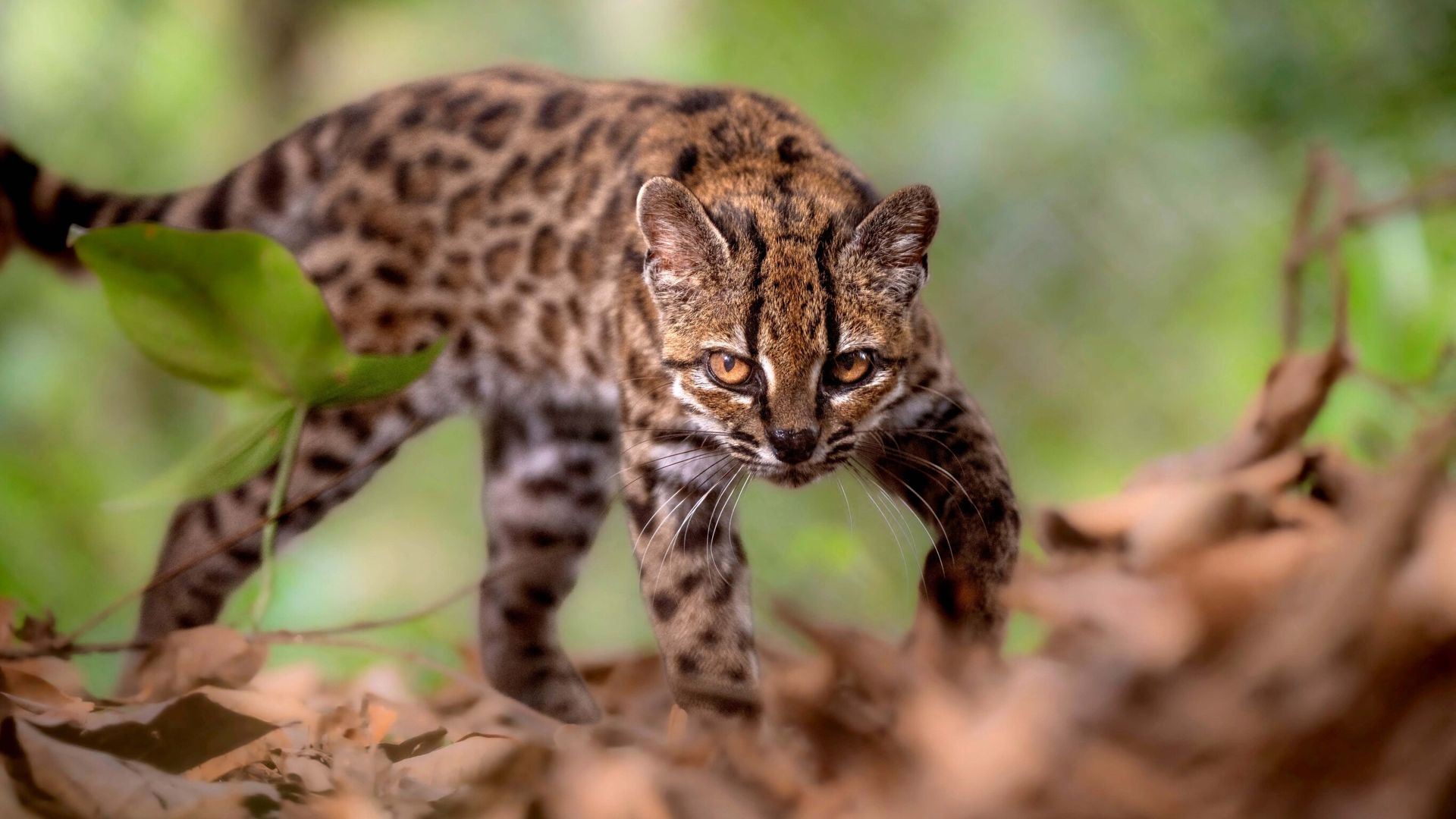
New species of wild cat identified in Bolivia - first for more than 100 years
A previously unknown species of wild cat has been identified in South America.
Brief by WorldPing · Original reporting by Sky News
 WorldPing
Scientists have discovered a new species of wild cat for the first time in more than a century, a Bolivian researcher told AFP on Thursday.
Research findings and mission results set the evidence base that policy, funding and later discoveries build on.
When each newsroom published on this story, oldest first — all times UTC.
Fossil plankton shells reveal reduced nitrogen fixation in warmer oceans 3 million years ago
Europe's earliest glacier loss day in years signals a reckoning for the Alps
Bolivia's tilcayo tiger cat becomes first new wildcat species in 100 years
The original report was published by Phys.org. WorldPing does not claim that reporting — this page summarises and contextualises it.
Read the full report at Phys.orgWorldPingA previously unknown species of wild cat has been identified in South America.
Brief by WorldPing · Original reporting by Sky News
Leopardus tilcayo is the first new living cat species named and described in more than a century.
Brief by WorldPing · Original reporting by Al Jazeera
 WorldPing
Genetic analysis suggested that the Tilcayo lineage separated from other tiger cats about 1.4 million years ago; little is yet known about the biology and lifestyle…
Brief by WorldPing · Original reporting by The Hindu
 WorldPing
New species of wild feline was discovered in Bolivia’s Yungas forest that is smaller than the average domestic cat A diminutive wild cat that inhabits Bolivia’s cloud forest has been identified as a previously unknown species, marking the first tim…
Brief by WorldPing · Original reporting by The Guardian
 WorldPing
On June 29, 2026, the snow accumulated by Switzerland's glaciers over the course of the previous winter had melted.
Brief by WorldPing · Original reporting by Phys.org
 WorldPing
Nitrogen is a key nutrient because it fuels the growth of plankton, which forms the basis of the marine food web. Two opposing processes determine the global nitrogen cycle: nitrogen fixation and denitrification.
Brief by WorldPing · Original reporting by Phys.org