 WorldPing
 WorldPing
BBC Science
Appeal for major energy storage system rejected
Plans for the battery system site near the Devon-Dorset border have again been dismissed.
Brief by WorldPing · Original reporting by BBC Science
 WorldPing
Rabies virus detection in cell cultures could soon become faster and more accessible, thanks to the world's first AI system for this purpose, developed by researchers at the University of Surrey's Institute for People-Centered AI (PAI) in collaborati…
Research findings and mission results set the evidence base that policy, funding and later discoveries build on.
When each newsroom published on this story, oldest first — all times UTC.
World leaders urged to 'course correct' as UN nature goals fall short
Hybrid quantum computers could finally get to grips with light and matter
AI system could transform rabies testing around the world
The original report was published by Phys.org. WorldPing does not claim that reporting — this page summarises and contextualises it.
Read the full report at Phys.orgLiving hubs that keep updating as this story develops.
WorldPingPlans for the battery system site near the Devon-Dorset border have again been dismissed.
Brief by WorldPing · Original reporting by BBC Science
 WorldPing
Many of nature's most important processes depend on how particles of matter interact with light and other force-carrying particles.
Brief by WorldPing · Original reporting by Phys.org
 WorldPing
Nations are steeling for a disappointing report card at this month's U.N. biodiversity summit, with governments falling short on their commitments to protect the plants, animals and ecosystems that sustain life on Earth.
Brief by WorldPing · Original reporting by Phys.org
 WorldPing
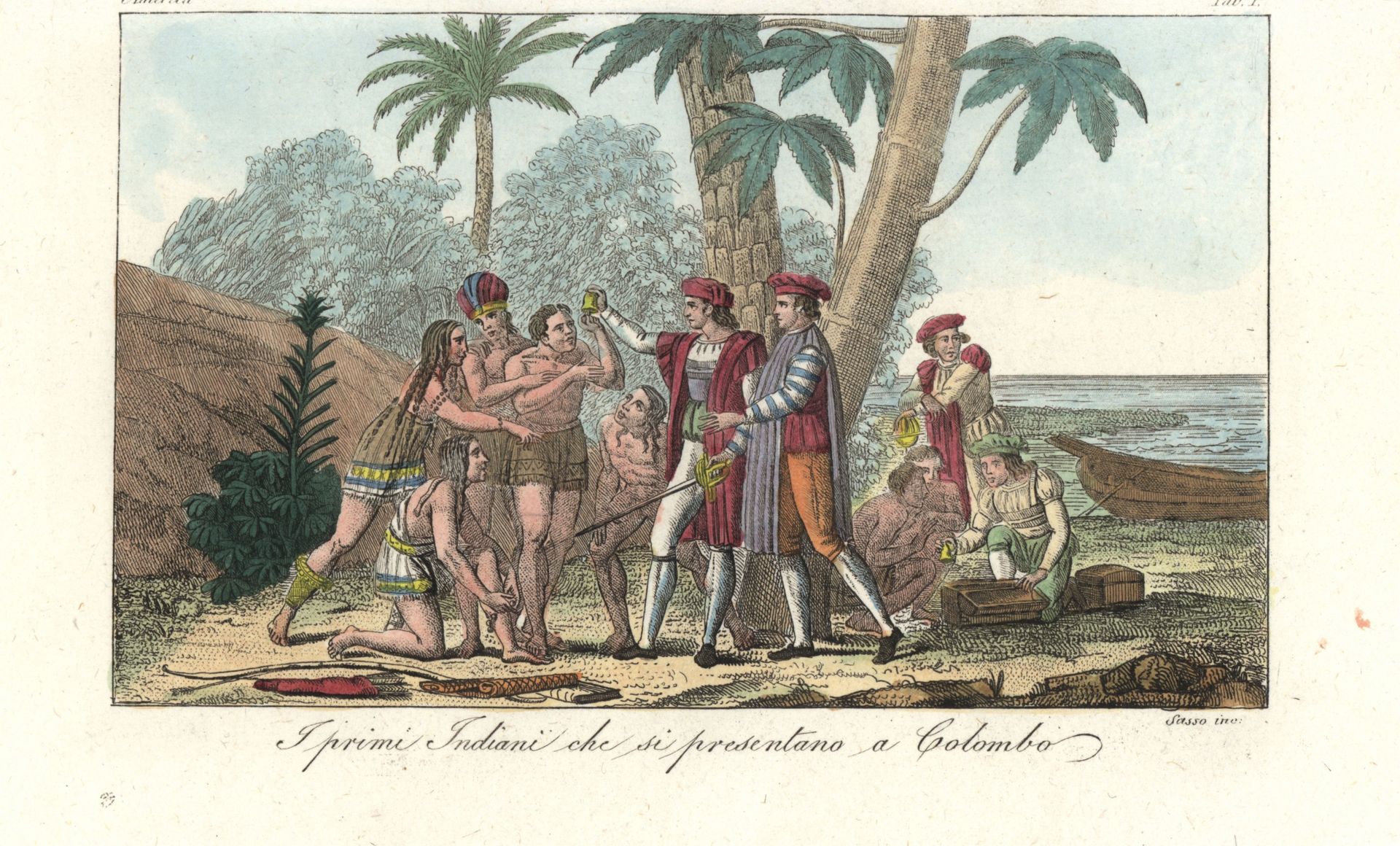
Archaeologists and geographers have been trying to estimate the pre-1492 population of the Americas for decades. But it's difficult.
Brief by WorldPing · Original reporting by Live Science
Getting better sleep might be as simple as moving a little more every day.
Brief by WorldPing · Original reporting by ScienceDaily
 WorldPing
Wildlife populations around the world have declined by an average of 73% since 1970. That's according to the WWF's new 2026 Living Planet Index—a major estimate, updated every two years, of the changing state of nature.
Brief by WorldPing · Original reporting by Phys.org