
High Alert

Ledger confirms unauthorized hardware implant; losses may exceed $86M

Written and edited by the WorldPing NewsdeskPublished Updated Original reporting: Cointelegraph
Ledger confirms unauthorized hardware implant; losses may exceed $86MWorldPing
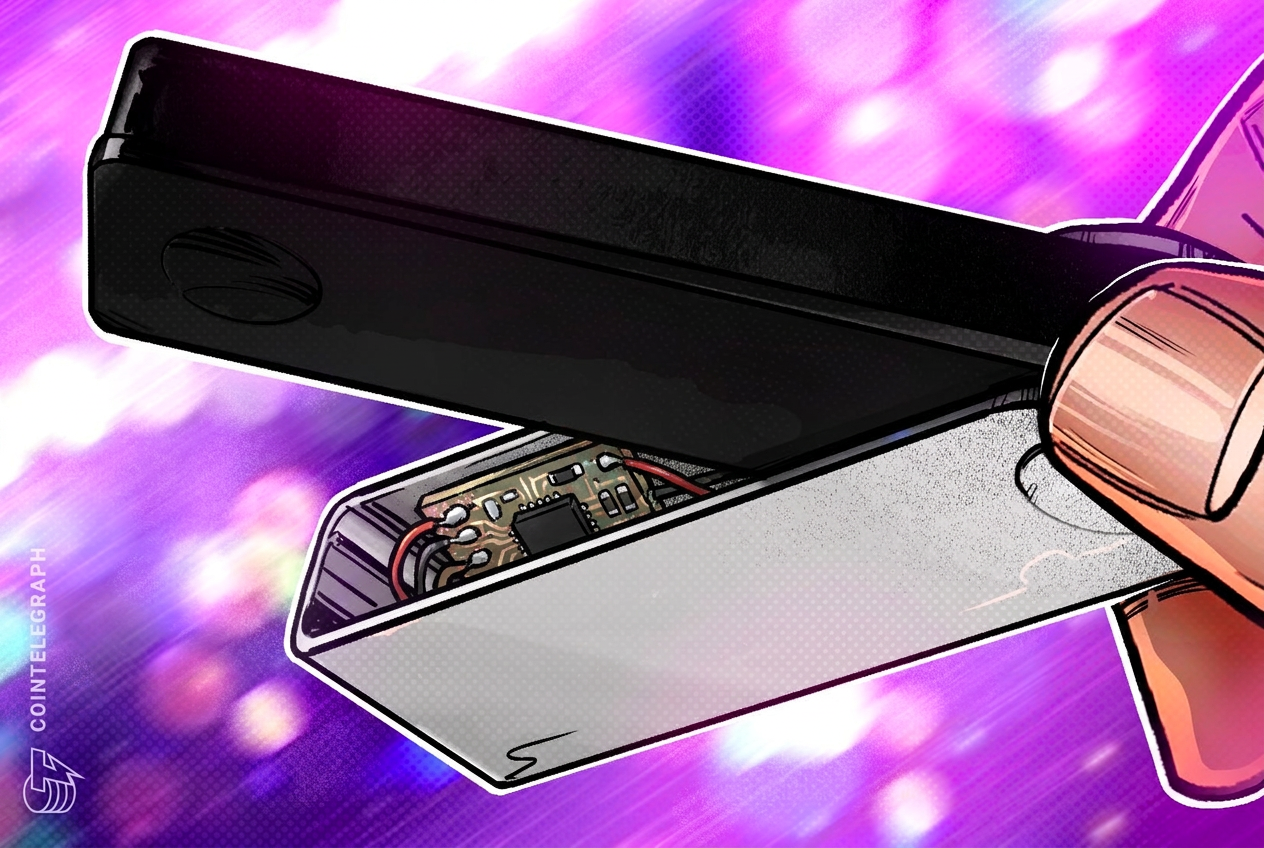
Image via Cointelegraph.

What happened

Ledger said the incident appeared to be isolated to a single reseller and its Southeast Asian market.

Key facts

  • Reported by Cointelegraph and published Sun, 11 Oct 2026 09:01:51 UTC.

Why it matters

Digital-asset markets react to catalysts within minutes, and liquidity, ETF flows and regulatory signals are usually what decide whether a move sticks.

What to watch next

  • Whether spot volume and open interest confirm the move
  • Liquidation clusters around the current price
  • ETF flow data and any regulatory follow-up

Coverage timeline

When each newsroom published on this story, oldest first — all times UTC.

  1. Bitcoin Drawdown Analysis Maps a $74,500 Level if Losses Deepen

  2. Ledger confirms unauthorized hardware implant; losses may exceed $86M

  3. AI discovers XRP Ledger flaw that could mint 18 trillion tokens and put $94 billion market at risk

Sources

The original report was published by Cointelegraph. WorldPing does not claim that reporting — this page summarises and contextualises it.

Read the full report at Cointelegraph

Related WorldPing coverage

Bitcoin Drawdown Analysis Maps a $74,500 Level if Losses DeepenWorldPing
Bitcoin.com

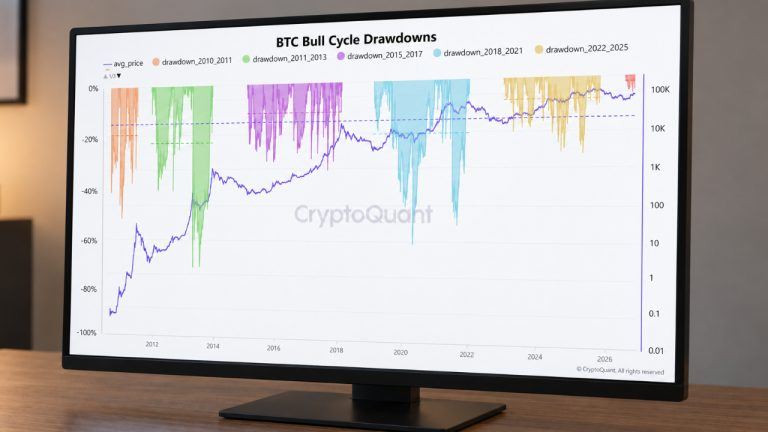
Bitcoin Drawdown Analysis Maps a $74,500 Level if Losses Deepen

Bitcoin’s latest correction has brought a $74,500 historical reference into focus, a new analysis suggests. The comparison examines setbacks during broader advances as the contributor outlines two buying levels if selling continues.

Brief by WorldPing · Original reporting by Bitcoin.com

Council exceeds Surrey tree planting targetWorldPing
BBC Science

Council exceeds Surrey tree planting target

A report finds some 885,000 trees have been planted, but there are concerns over survival rates.

Brief by WorldPing · Original reporting by BBC Science