Science news today

Launches, findings and climate data explained in a paragraph, with a direct route to the paper or the newsroom that covered it.

On this page: space missions and launches, climate and environment data, physics and biology research, public research funding.

Top Science story

More science briefs

Unexpected hints of dark matter should breathe life into particle physicsWorldPing
New Scientist

Unexpected hints of dark matter should breathe life into particle physics

With little in the way of significant discoveries since 2012, there have been mutterings that particle physics is at a dead end.However, new dark matter results suggest an exciting new way to hunt for reality's undiscovered ingredients…

Brief by WorldPing · Original reporting by New Scientist

This week’s new questionsWorldPing
New Scientist

This week’s new questions

Why do people appear younger and better-looking in a mirror than in a photograph? Are humans the only animals that cry? If so, why?

Brief by WorldPing · Original reporting by New Scientist

New Scientist recommends a fascinating deep dive into the real VikingsWorldPing
New Scientist

New Scientist recommends a fascinating deep dive into the real Vikings

The stories we tell about the Vikings often say more about us than them.Archaeologist Neil Price's new book The Sea-King and the Sorceress tries to show the Norse as they were, says Michael Marshall…

Brief by WorldPing · Original reporting by New Scientist

Taking the sting out of fire ants with genomicsWorldPing
Phys.org

Taking the sting out of fire ants with genomics

Fire ants have earned their reputation as one of Australia's most damaging invasive pests. From ruined picnics to serious impacts on agriculture, biodiversity and public health, they are notoriously difficult to control.

Brief by WorldPing · Original reporting by Phys.org

Layer-based design offers new route to topological magnetsWorldPing
Phys.org

Layer-based design offers new route to topological magnets

Topological quantum materials combine unusual electronic states with properties such as magnetism or superconductivity, offering possibilities for future electronics and quantum technologies.

Brief by WorldPing · Original reporting by Phys.org

Project digitally recreates a buried World War I battlefieldWorldPing
Phys.org

Project digitally recreates a buried World War I battlefield

Imagine walking through a World War I excavation site—not wading through mud-filled trenches, but navigating a digital landscape rich with history, artifacts and human stories.

Brief by WorldPing · Original reporting by Phys.org

How we manage and engage with horses may shape their personalityWorldPing
Phys.org

How we manage and engage with horses may shape their personality

A new study reveals that horse personality is not only a matter of genetics, age or breed but also systematically linked to how horses are housed, ridden and cared for, and to the quality of the relationship they share with their owners.

Brief by WorldPing · Original reporting by Phys.org

Artemis II Crew at NASA MarshallWorldPing
NASA

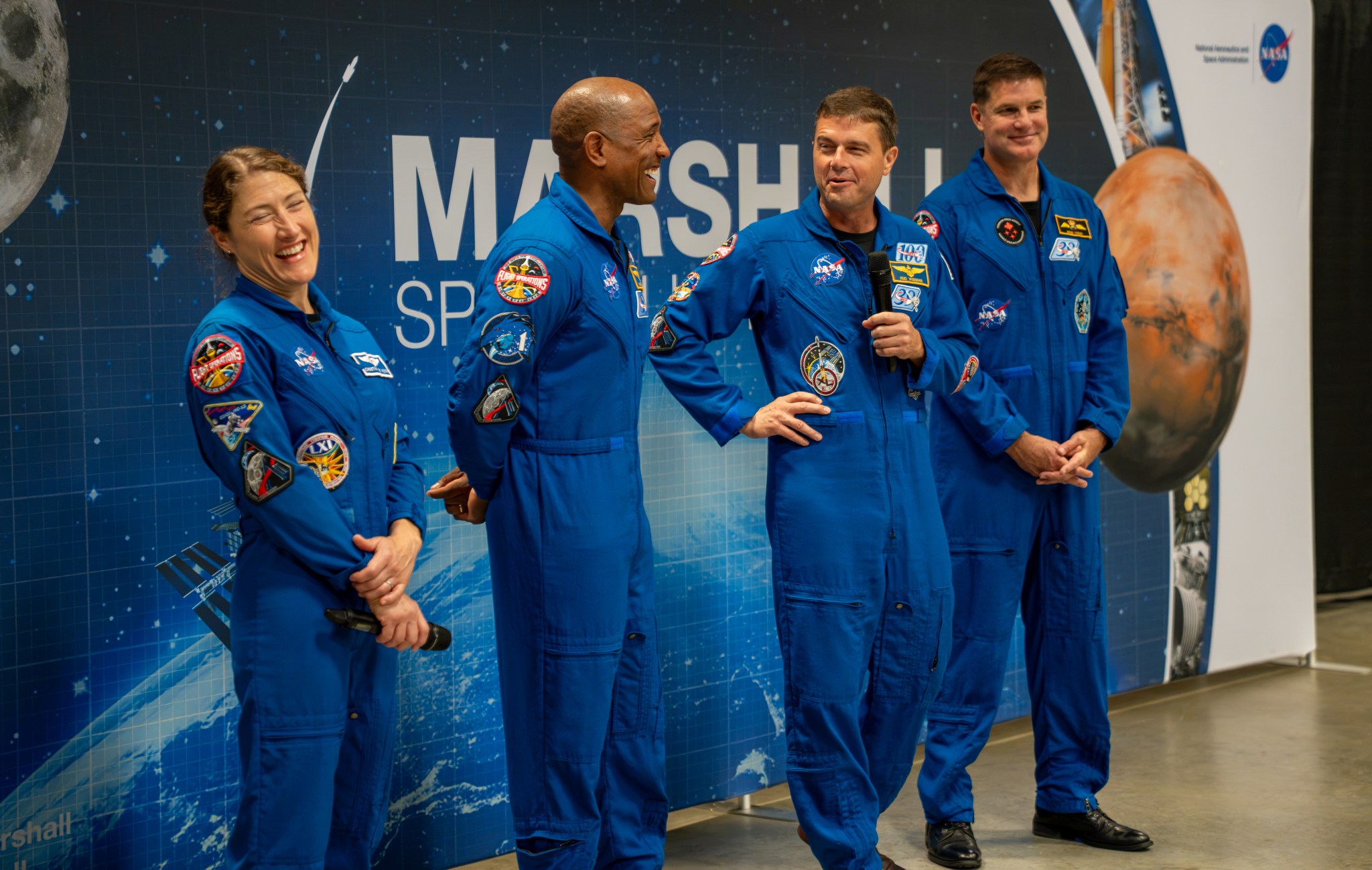
Artemis II Crew at NASA Marshall

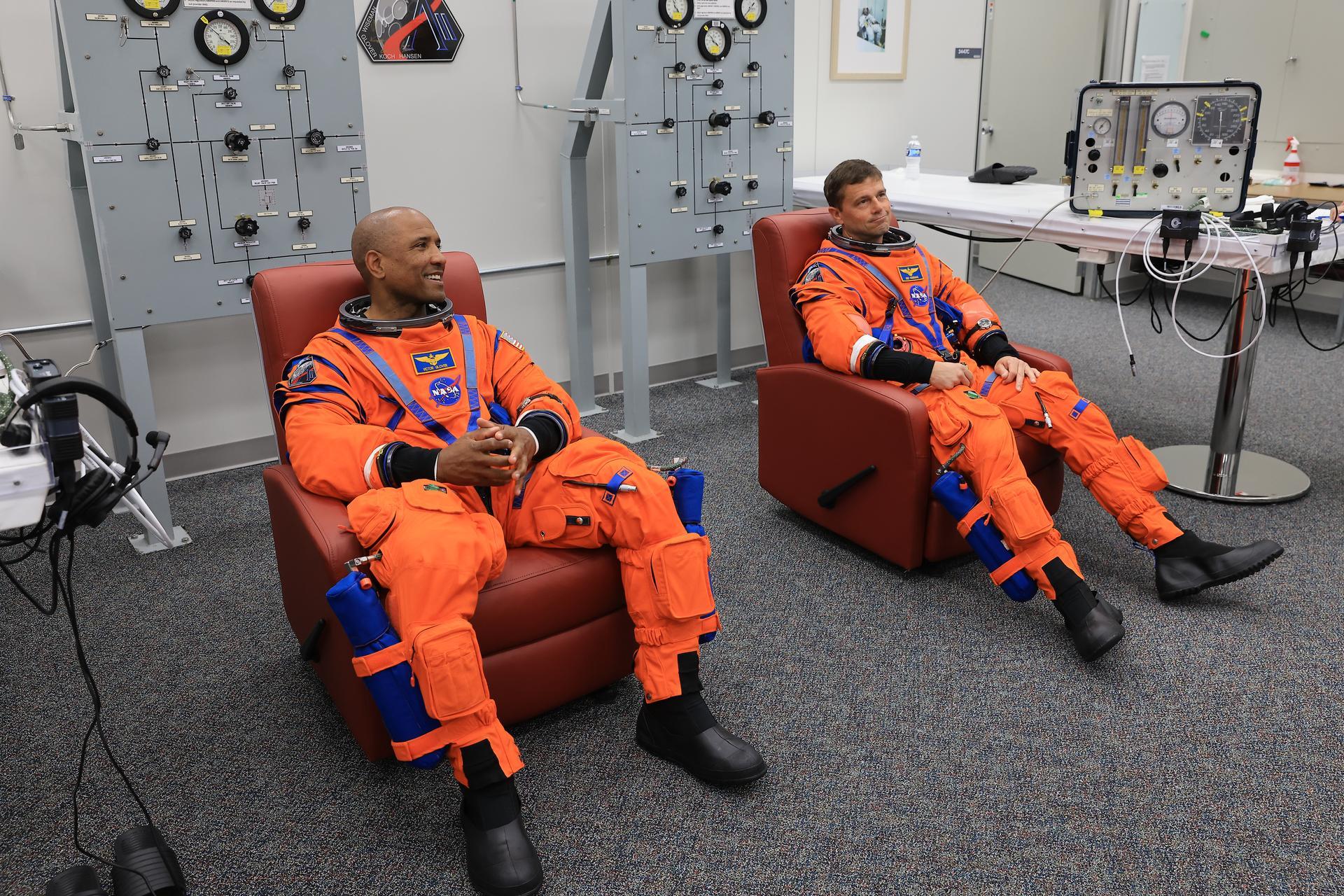
The crew of NASA’s Artemis II mission – NASA astronauts Christina Koch, Victor Glover, and Reid Wiseman and CSA (Canadian Space Agency) astronaut Jeremy Hansen – visited Huntsville, Alabama, Sept.

Brief by WorldPing · Original reporting by NASA

Do you think Al could ever become self-aware?WorldPing
Live Science

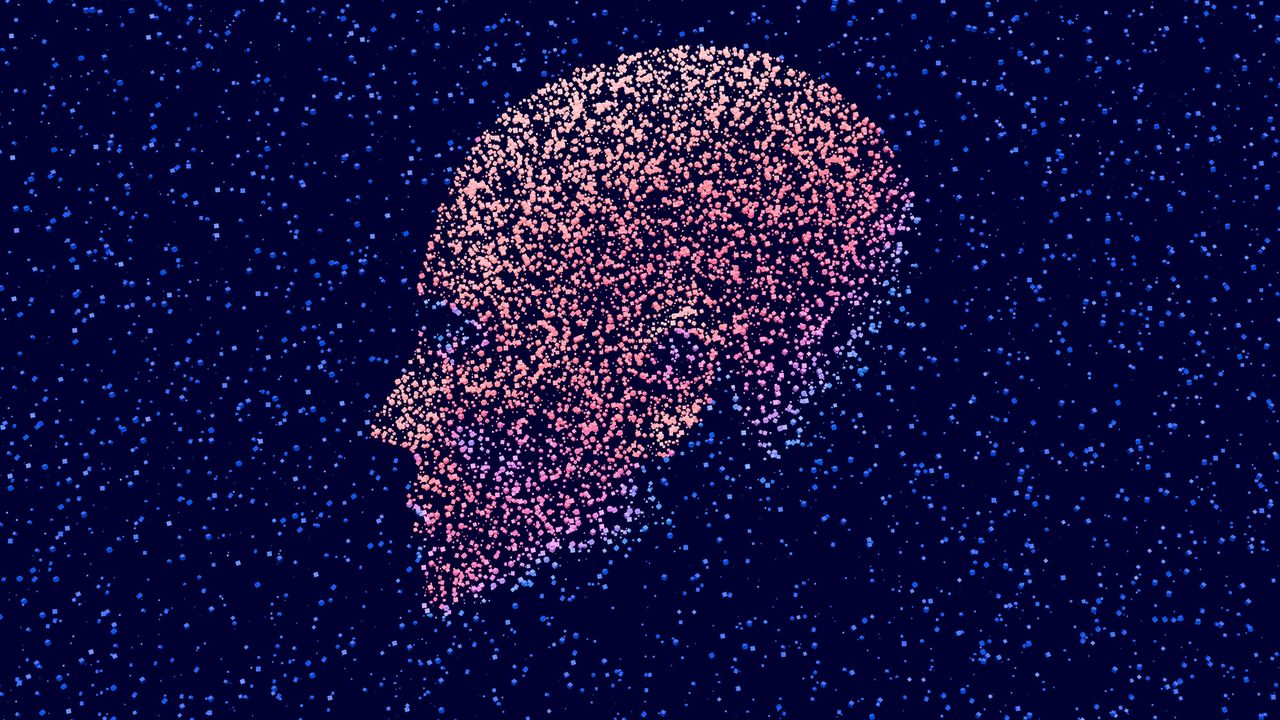
Do you think Al could ever become self-aware?

A new study looks at "consciousness steering" in AI, but could this technology actually achieve this level of self-awareness in the first place?

Brief by WorldPing · Original reporting by Live Science

First Denisovan forearm bone discovered in southwest ChinaWorldPing
Phys.org

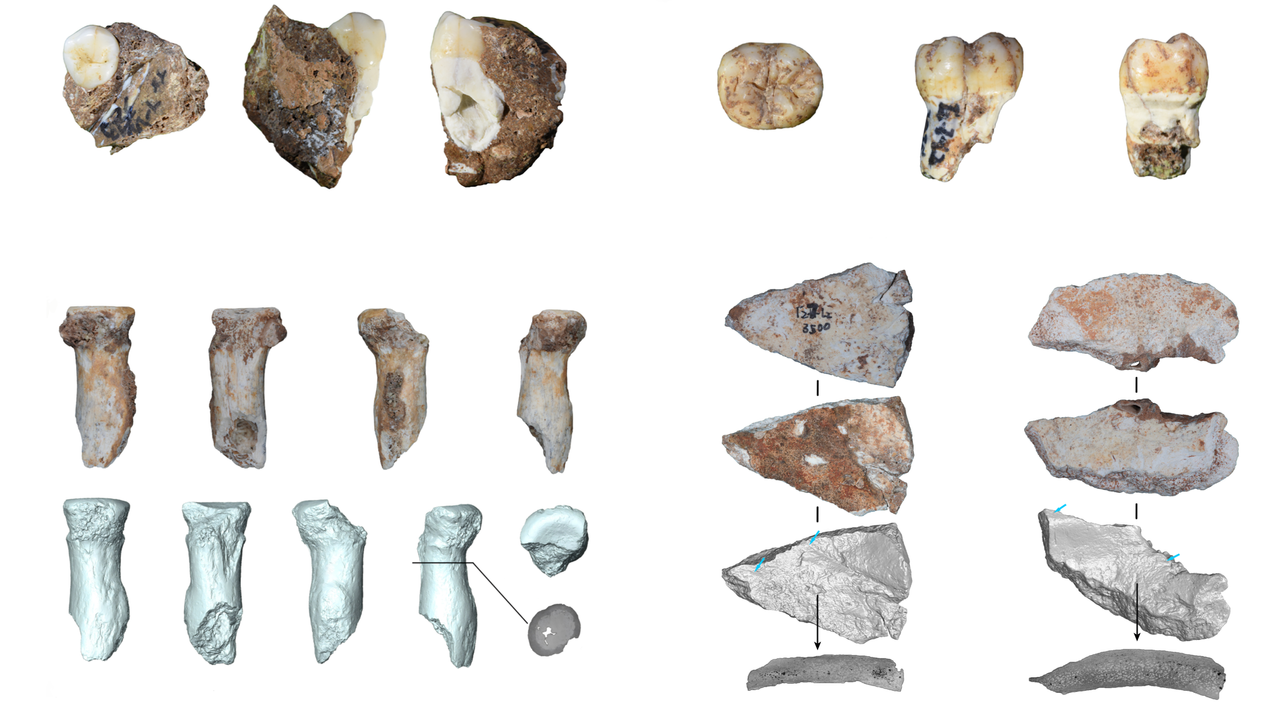
First Denisovan forearm bone discovered in southwest China

Scientists have discovered various Denisovan remains in Southwest China dating to the late Middle Pleistocene, including the first Denisovan radius—one of two long bones in the forearm.

Brief by WorldPing · Original reporting by Phys.org

A 'wholistic' view of cellular communication across an entire animalWorldPing
Phys.org

A 'wholistic' view of cellular communication across an entire animal

It can't be heard, but different parts of the human body are in constant conversation, communicating to keep the entire system running efficiently. For biologists, being able to listen in on this discussion is a long-sought-after goal.

Brief by WorldPing · Original reporting by Phys.org

Next-gen gravitational wave detectors could spot the first black holesWorldPing
Phys.org

Next-gen gravitational wave detectors could spot the first black holes

A few hundred million years after the Big Bang, the first stars ignited—literally the "let there be light" moment for the universe. Now known to astronomers as Population III, or Pop III, stars, these giants were very different from the stars we know today.

Brief by WorldPing · Original reporting by Phys.org

How 'parachute science' is failing the world's tropical insectsWorldPing
Phys.org

How 'parachute science' is failing the world's tropical insects

Monash University scientists have developed a global framework to tackle a major blind spot in biodiversity conservation: Insects underpin ecosystems and food production but remain largely invisible to conservation efforts across the tropics.

Brief by WorldPing · Original reporting by Phys.org

The moon may have formed in just 5 hours, new simulations suggestWorldPing
Live Science

The moon may have formed in just 5 hours, new simulations suggest

Novel simulations, which reassessed the ancient collision between Earth and the protoplanet Theia, suggest that the moon could have emerged from the aftermath of this impact much more quickly than scientists previously thought.

Brief by WorldPing · Original reporting by Live Science

NASA Names Two Artemis II Astronauts to Emeritus ProgramWorldPing
NASA

NASA Names Two Artemis II Astronauts to Emeritus Program

Following their landmark Artemis II mission earlier this year, distinguished NASA astronauts Victor Glover and Reid Wiseman are transitioning in September to emeritus status at the agency’s Johnson Space Center in Houston.

Brief by WorldPing · Original reporting by NASA

ScienceDaily
WorldPing
ScienceDaily

Ozempic and Wegovy linked to nearly 40% fewer asthma attacks

Semaglutide, the drug found in Ozempic and Wegovy, was linked to nearly 40% fewer asthma attacks in a large real-world study. It was also associated with about 20% fewer COPD flare-ups.

Brief by WorldPing · Original reporting by ScienceDaily

Browse other topics