Science news today

Launches, findings and climate data explained in a paragraph, with a direct route to the paper or the newsroom that covered it.

On this page: space missions and launches, climate and environment data, physics and biology research, public research funding.

Top Science story

More science briefs

How companies quietly undercut dissentWorldPing
Phys.org

How companies quietly undercut dissent

In 2016, when Amazon workers began organizing at a warehouse in Chester, Virginia, the company tracked where employees gathered, posted anti-union messaging in bathroom stalls and held town halls to discourage them.

Brief by WorldPing · Original reporting by Phys.org
A wandering black hole caught feeding on the runWorldPing
Phys.org

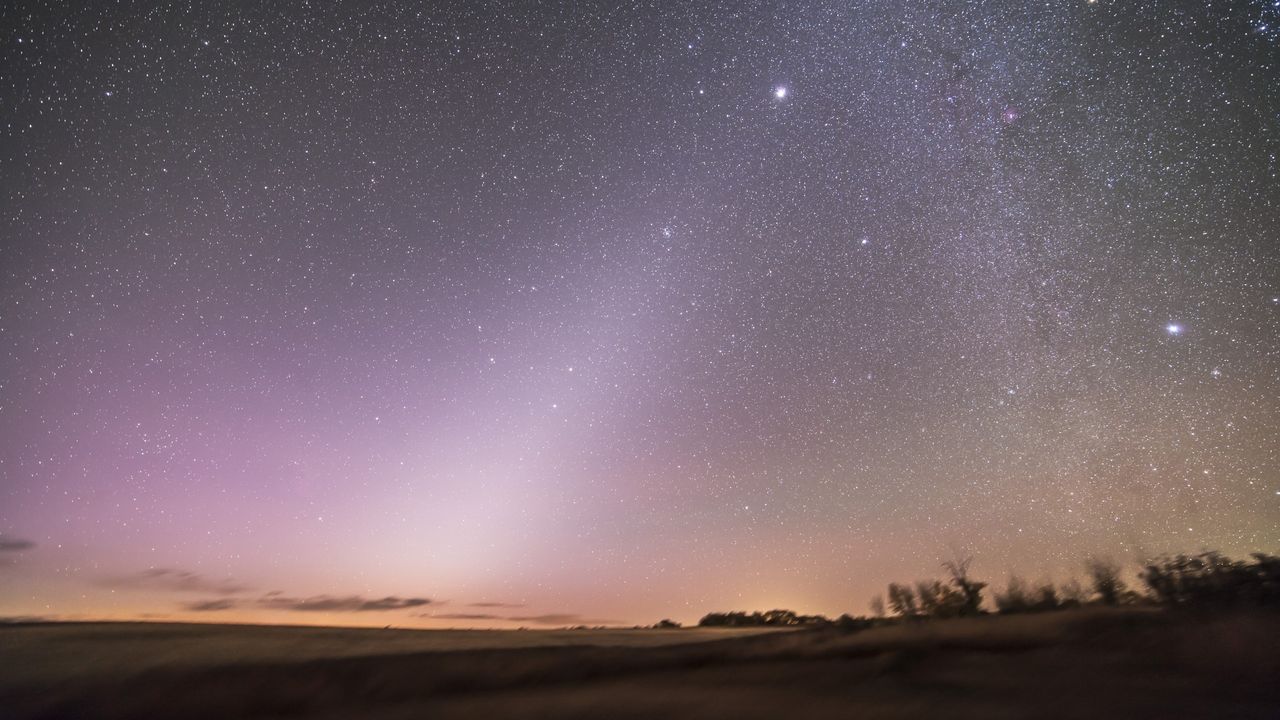
A wandering black hole caught feeding on the run

Astronomers have found the first direct evidence that a wandering black hole can feed itself by dragging gas along in its wake as it moves through its galaxy.

Brief by WorldPing · Original reporting by Phys.org

Q&A: What can rent prices reveal about inflation and the economy?WorldPing
Phys.org

Q&A: What can rent prices reveal about inflation and the economy?

Tracking rent prices may help businesses and policymakers understand where inflation is headed months in advance of government inflation reports, according to researchers at Penn State's Smeal College of Business who developed the Penn State/ACY Alte…

Brief by WorldPing · Original reporting by Phys.org

Hurricane Lowell lashes Hawaii's western islandsWorldPing
Phys.org

Hurricane Lowell lashes Hawaii's western islands

Hurricane Lowell lashed Hawaii with damaging winds, heavy rainfall and powerful floods, knocking out power for 91% of a western island as it pushed farther into the Pacific on Tuesday.

Brief by WorldPing · Original reporting by Phys.org

AI D-Day weather forecast falters under pressureWorldPing
Phys.org

AI D-Day weather forecast falters under pressure

Today's best weather computers would still have struggled to accurately predict the weather for the D-Day landings, University of Reading research shows.

Brief by WorldPing · Original reporting by Phys.org

Curiosity Blog, Sols 4995-5001: 5,000 (Martian) Days on MarsWorldPing
NASA

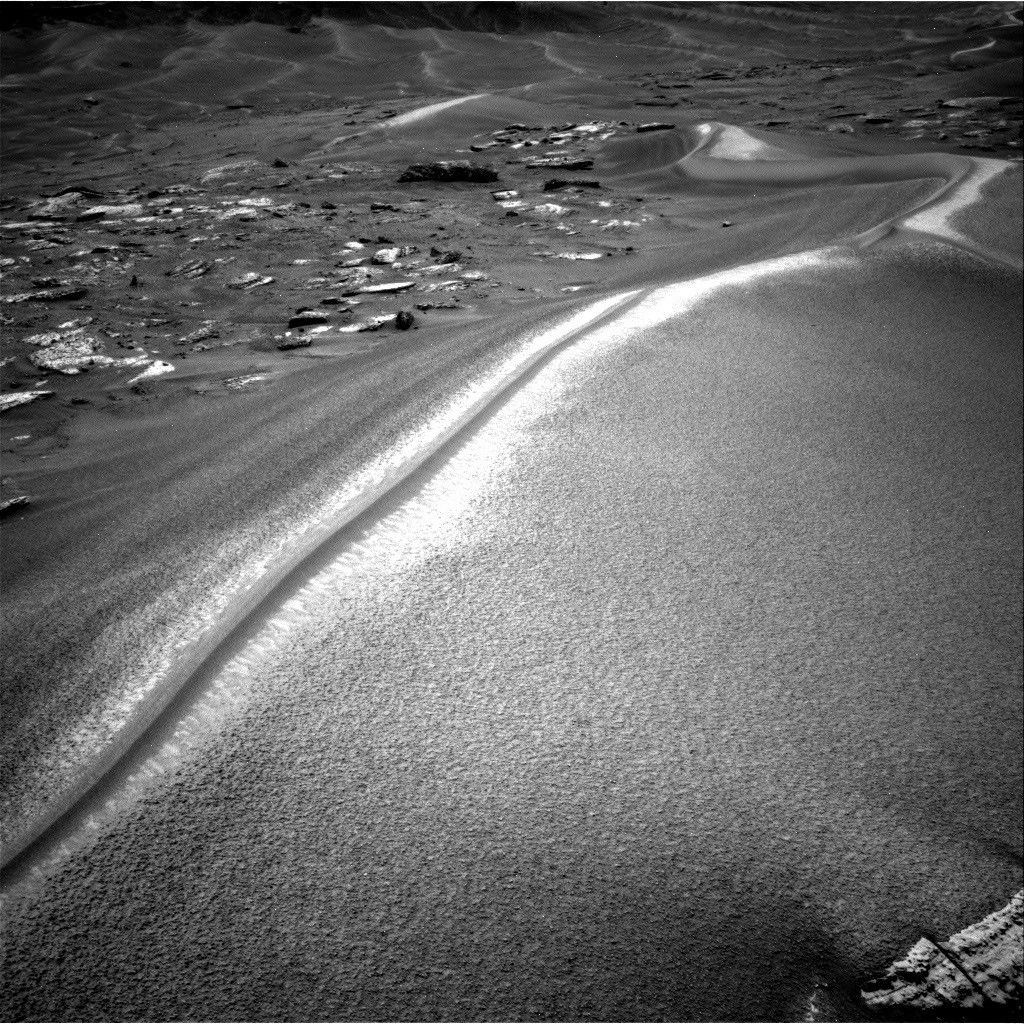
Curiosity Blog, Sols 4995-5001: 5,000 (Martian) Days on Mars

Written by William Farrand, Senior Research Scientist, Space Science Institute Earth planning date: Friday, Aug. 28, 2026 The span of sols spanned by this blog post is noteworthy in several ways.

Brief by WorldPing · Original reporting by NASA

Douglas Head designated a Conservation AreaWorldPing
BBC Science

Douglas Head designated a Conservation Area

Douglas Head has been formally designated a Conservation Area - but what does that actually mean?

Brief by WorldPing · Original reporting by BBC Science

Anak Krakatau Rumbles AgainWorldPing
NASA

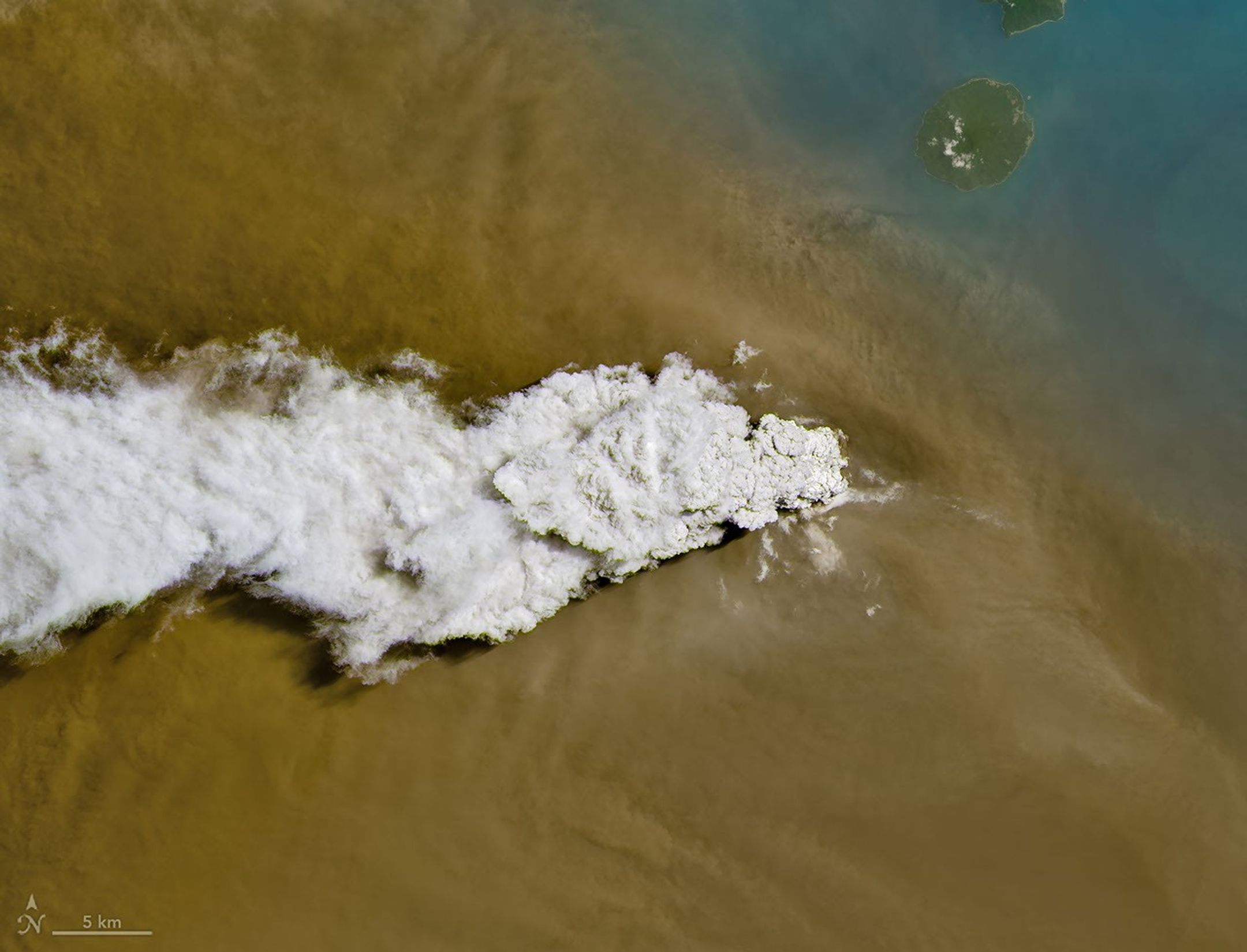
Anak Krakatau Rumbles Again

A powerful eruption from the Indonesian volcano lofted ash into the atmosphere, disrupting thousands of flights and degrading air quality.

Brief by WorldPing · Original reporting by NASA

Grooming-related messages reach almost two-thirds of childrenWorldPing
Phys.org

Grooming-related messages reach almost two-thirds of children

Nearly two-thirds of Australian children surveyed in a recent study received at least one form of grooming-related communication from a stranger online in the past year, while almost one-third reported receiving direct requests for sexual information…

Brief by WorldPing · Original reporting by Phys.org

Some black holes grow much faster than their galaxiesWorldPing
Phys.org

Some black holes grow much faster than their galaxies

Nearly every galaxy has a supermassive black hole. The few that don't have had theirs ejected during a galactic collision. That's because galaxies and their black holes have formed hand in hand.

Brief by WorldPing · Original reporting by Phys.org

Browse other topics