High Alert
Phys.org

SpaceX aims to use rockets to quickly transport cargo across the Earth and into orbit

SpaceX aims to use rockets to quickly transport cargo across the Earth and into orbitWorldPing

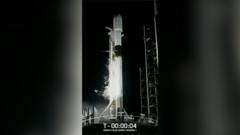
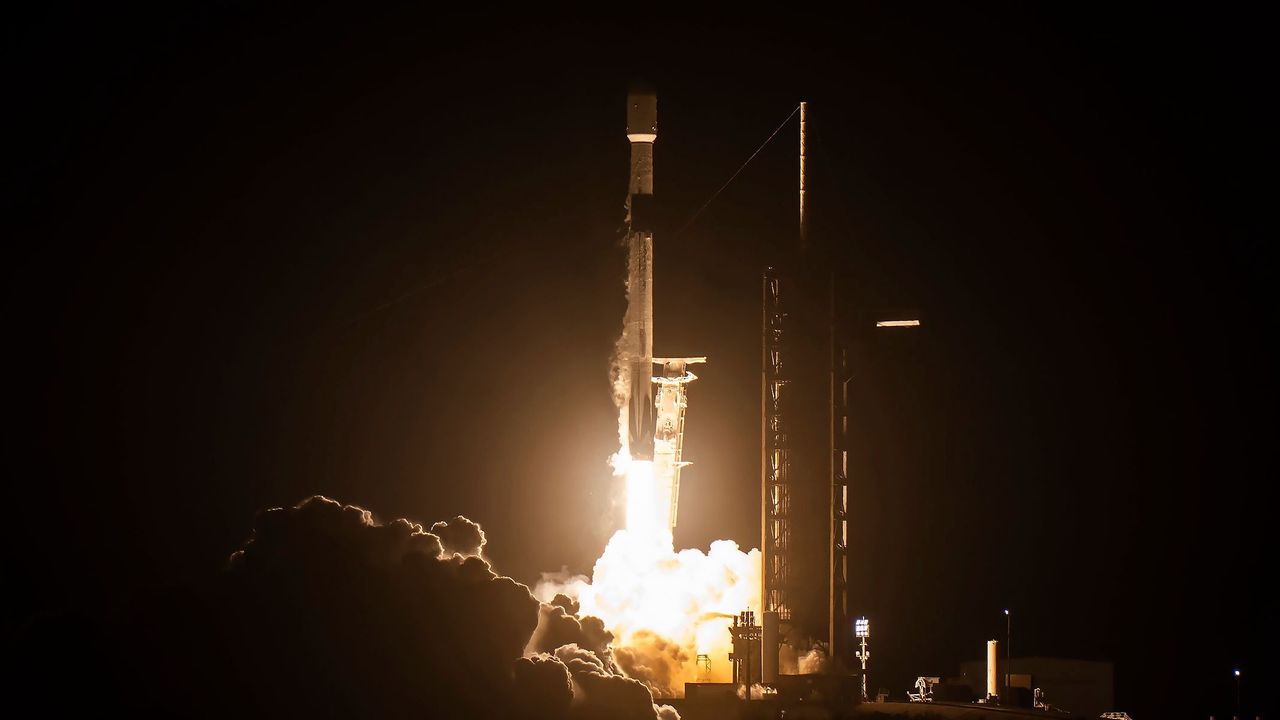
You might think of rockets as powerful vehicles that blast astronaut crews and robotic missions into space. But what if they could be used to send cargo from one side of Earth to the other in a fraction of the time it would take a plane?

This is a short WorldPing brief. The full report was published by Phys.org.

Read the full report at Phys.org

Related news

Why haven't we seen images of SpaceX Moon crash yet?WorldPing
BBC Science

Why haven't we seen images of SpaceX Moon crash yet?

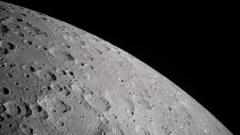
The SpaceX rocket part has crashed into the Moon, forming a new crater, images from orbiting satellites should arrive in the coming hours and days.

Brief by WorldPing · Original reporting by BBC Science

SpaceX rocket stage believed to have slammed into the moonWorldPing
Phys.org

SpaceX rocket stage believed to have slammed into the moon

A piece of a SpaceX rocket weighing four tonnes (4.4 tons) was believed to have unintentionally crashed into the moon on Wednesday, a collision that posed no danger to Earth but is expected to leave behind a lunar crater.

Brief by WorldPing · Original reporting by Phys.org

NASA’s Perseverance Captures Phobos and EarthWorldPing
NASA

NASA’s Perseverance Captures Phobos and Earth

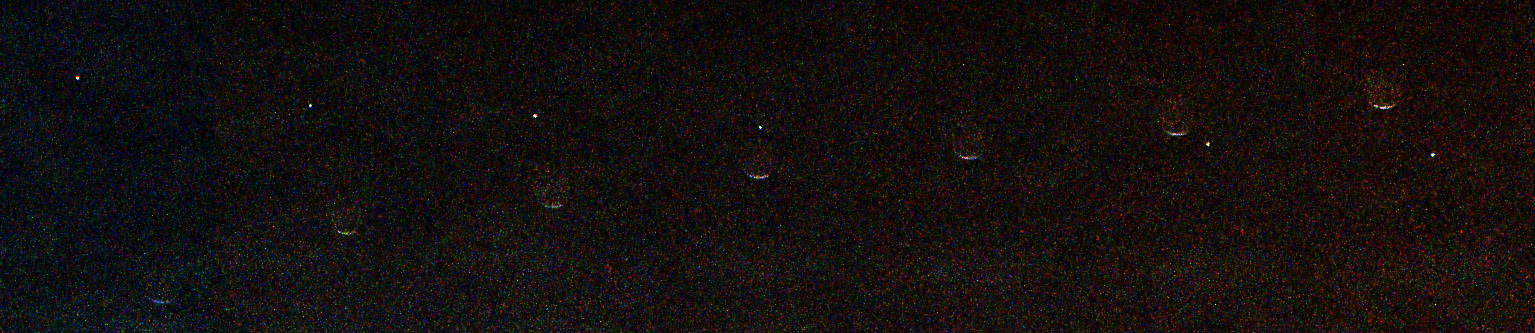
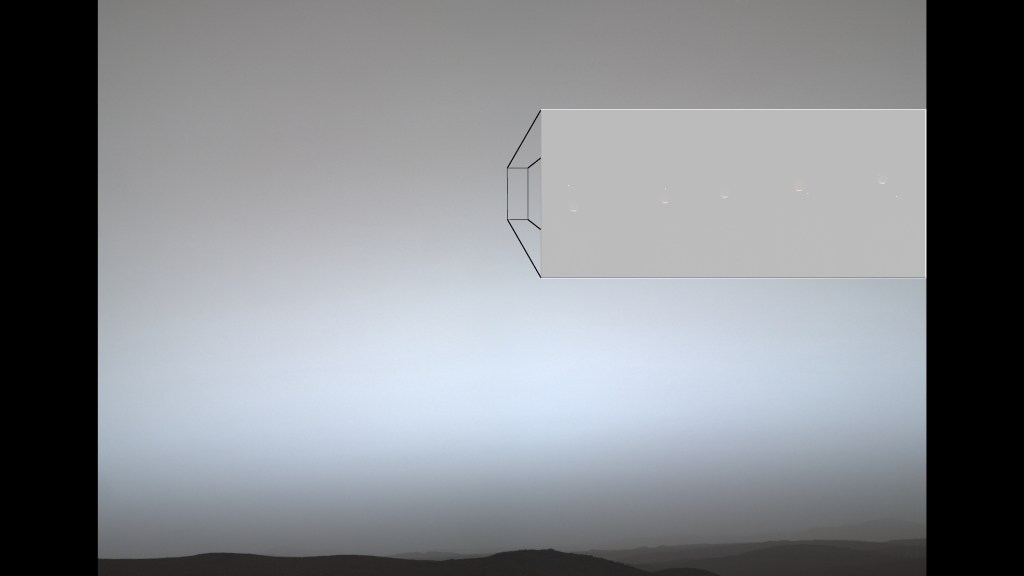
Description This composite of seven images from the Mastcam-Z instrument aboard NASA’s Perseverance Mars rover shows Earth, visible as a small bright dot moving from upper left to lower right, passing behind the Martian moon Phobos on July 2, 2026, 1…

Brief by WorldPing · Original reporting by NASA

NASA’s Perseverance Rover Watches Earth Vanish Behind Martian MoonWorldPing
NASA

NASA’s Perseverance Rover Watches Earth Vanish Behind Martian Moon

Earth and the Martian moon Phobos dance together in a series of images recently acquired by NASA’s Perseverance Mars rover. Earth appears as a point of light in the Martian sky, disappearing behind the crescent of Phobos, the larger of Mars’ two moons.

Brief by WorldPing · Original reporting by NASA