
WorldPingStudy reveals another reason to save the world's trees
All over the world, from Oregon's old-growth forests to Queensland's eucalyptus groves, creatures depend on trees for shelter.
Brief by WorldPing · Original reporting by Phys.org
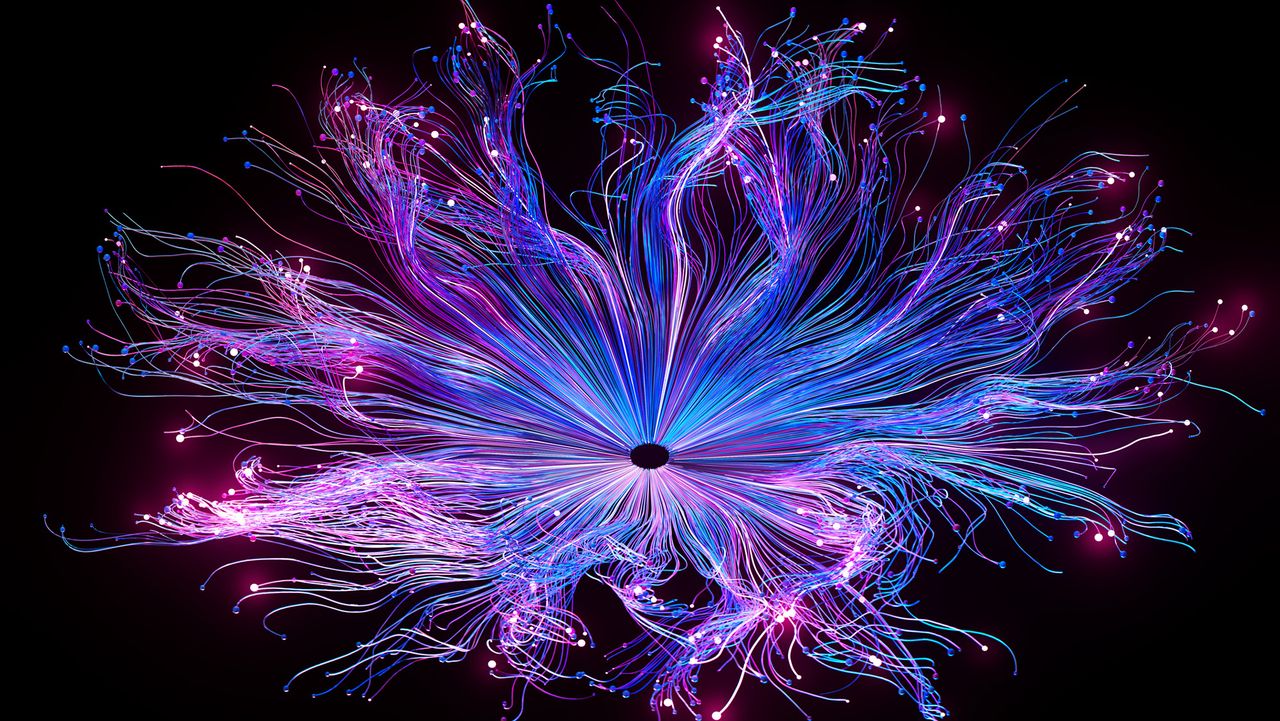
WorldPingHow will global access to food, water and energy evolve in coming decades? A new study coauthored by MIT researchers suggests the answers could be very different depending on region, resource and income.
This is a short WorldPing brief. The full report was published by Phys.org.
Read the full report at Phys.orgMore coverage: all science news on WorldPing.
WorldPingAll over the world, from Oregon's old-growth forests to Queensland's eucalyptus groves, creatures depend on trees for shelter.
Brief by WorldPing · Original reporting by Phys.org
WorldPingA new study shows that measures to stop AI's claims of consciousness have unintended consequences for non-human entities…
Brief by WorldPing · Original reporting by Live Science
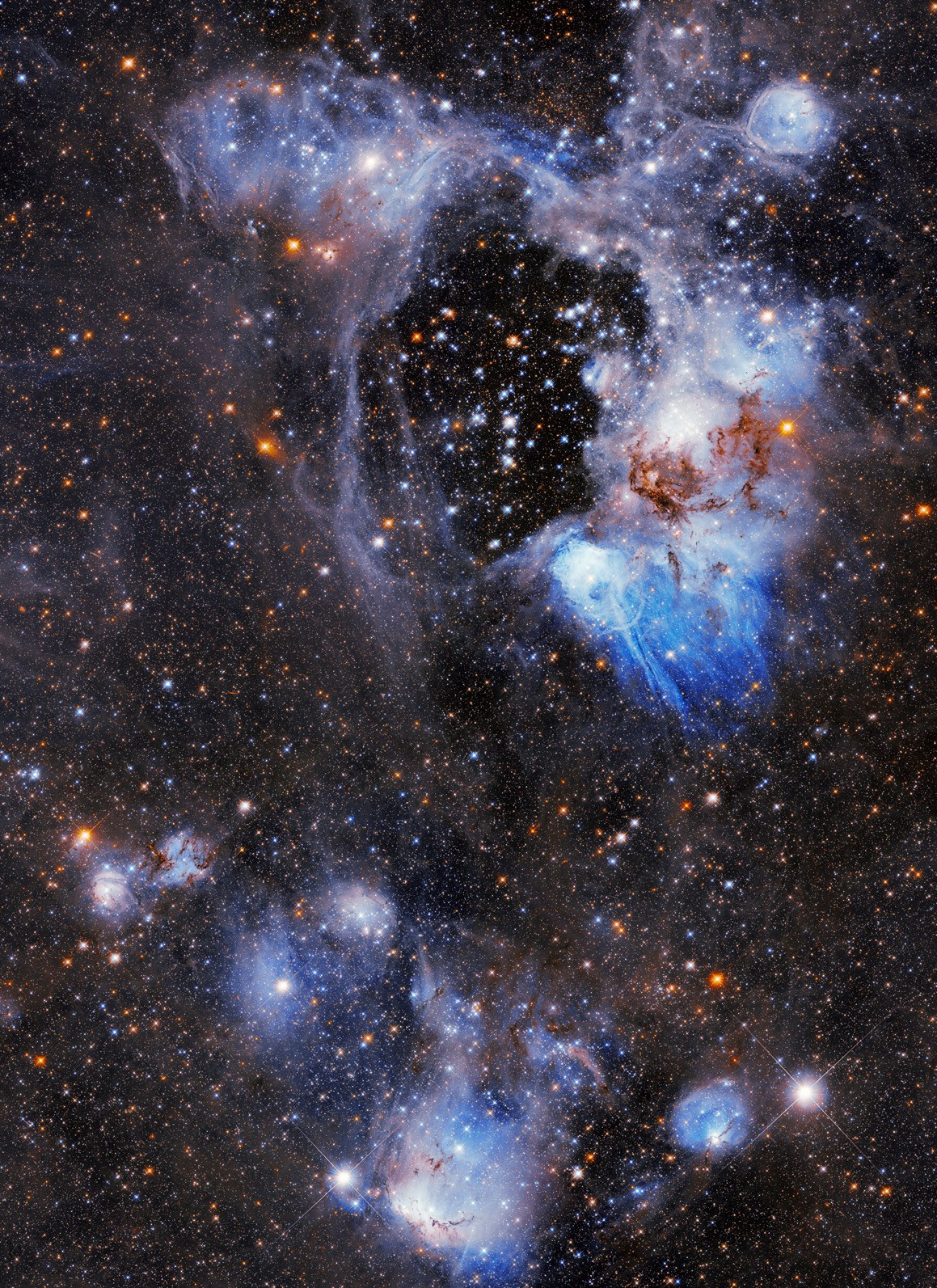
WorldPingNASA’s Hubble Space Telescope captures a photogenic nebula, N44, in the Large Magellanic Cloud in this Sept. 3, 2026, image. N44 is dominated by two features: a vast central void and a shell of dense, dusty gas.
Brief by WorldPing · Original reporting by NASA
WorldPingTrade routes and ports have shaped the history of human civilization, with the Mediterranean network among the most prominent and influential. Yet our understanding of its past is shaped largely by what remains visible on land rather than by the sea itself.
Brief by WorldPing · Original reporting by Phys.org
WorldPingThe scent of fresh laundry in a store encourages people to spend more on secondhand clothes than the scent of citrus or the typical scent of secondhand clothes does.
Brief by WorldPing · Original reporting by Phys.org
WorldPingWe know the universe is constantly expanding. We also know that gravitationally bound objects, such as solar systems and black holes, seem to be immune to that expansion.
Brief by WorldPing · Original reporting by Phys.org